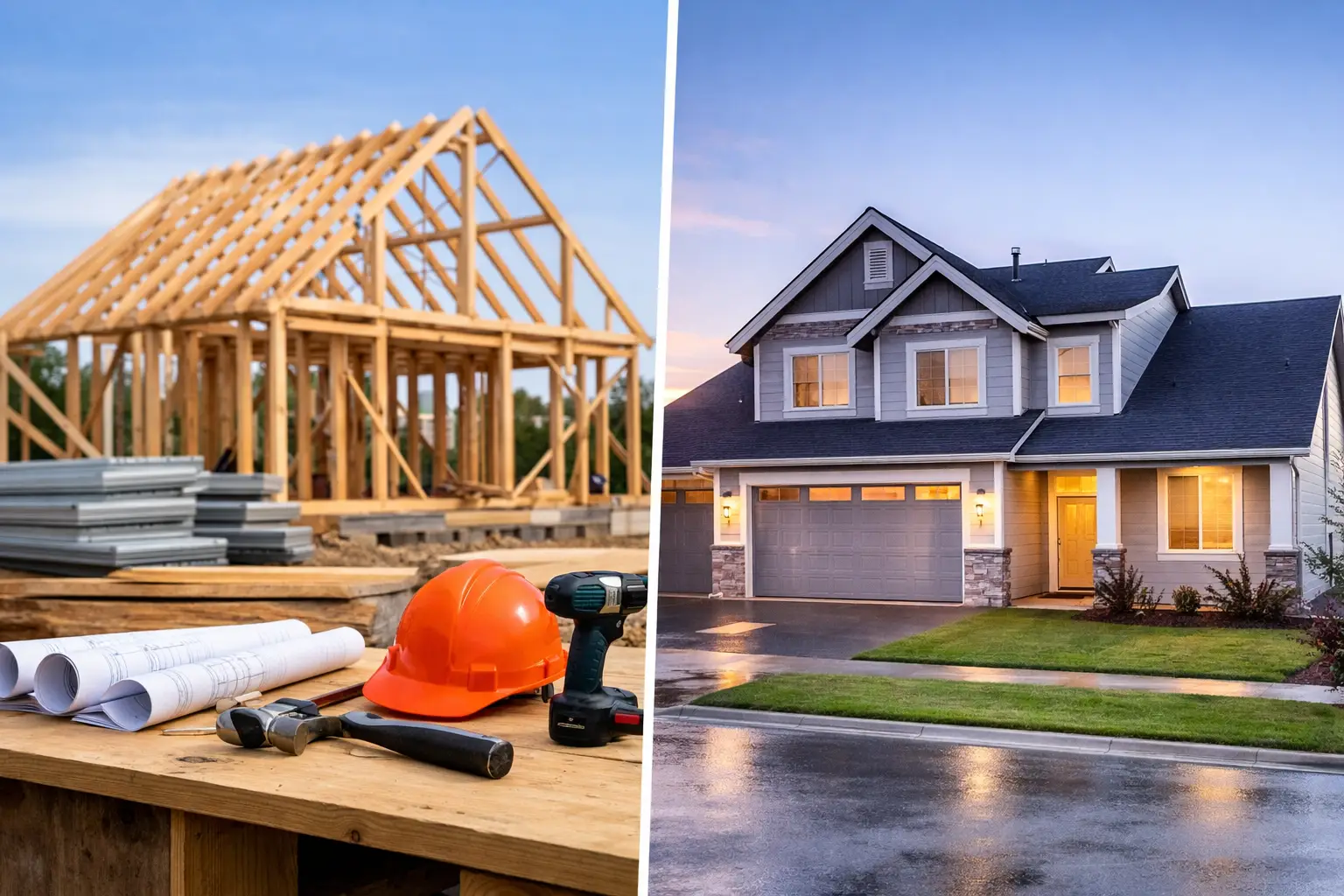
A lot of building decisions get framed as price questions, but building kit vs turnkey construction is really a control question first. Who is managing labor, scheduling deliveries, solving jobsite problems, and making sure the finished structure matches the plan? Once you answer that, the cost conversation gets a lot clearer.
For property owners in Oregon and Washington, that choice matters even more because site conditions, permitting expectations, weather windows, and intended use can all change what looks like the “cheaper” option on paper. A hay barn, horse arena, shop, garage, commercial storage building, or barndominium shell all come with different levels of complexity. The right path depends on your experience, your timeline, and how much responsibility you want to carry.
What building kit vs turnkey construction actually means
A building kit usually means the structural package is designed, quoted, and supplied for your project, but construction is handled by you or a builder you hire. In post-frame construction, that often includes the engineered components and the materials needed to put the shell together, based on the agreed design.
Turnkey construction means one company handles the full build process from design coordination through construction of the building. You are still making key decisions on size, layout, doors, windows, roof style, and features, but you are not managing the day-to-day work of getting the structure built.
That sounds simple, but the difference goes deeper than who swings the hammer. It affects project risk, communication, scheduling, financing, and even how quickly decisions get made when conditions change on site.
Cost is important, but total project cost matters more
Many buyers start by assuming a kit will always cost less. Sometimes it does. If you have the equipment, crew, time, and construction knowledge to build it yourself, or you already have a reliable local contractor lined up, a kit can be a very efficient route.
But the upfront package price is not the same as the finished building cost. With a kit, you still need to account for labor, equipment, site prep, concrete work if required, permits, possible subcontractors, and the cost of mistakes or delays. If your builder is unfamiliar with post-frame details, those costs can show up later in change orders, schedule overruns, or performance issues.
Turnkey construction typically carries a higher contract price because labor and project management are included. What you are paying for is not just assembly. You are paying for coordination, field experience, accountability, and fewer handoffs between design and construction.
For a straightforward storage building, the savings from a kit may be substantial. For a more customized workshop, horse barn, or commercial building with several openings, interior considerations, or tighter schedule demands, the gap can narrow quickly.
Labor and experience are where the decision usually gets made
The biggest separator in building kit vs turnkey construction is not the material package. It is whether the people building the structure know how to execute the plan correctly.
A post-frame building can be very efficient, but that does not mean it is foolproof. Column placement, truss setting, framing alignment, diaphragm performance, door openings, roof transitions, and weather detailing all matter. If those details are off, the building may still stand, but it may not perform the way it should over time.
A kit makes the most sense when the labor side is already solved. Maybe you are an experienced owner-builder. Maybe you have a trusted crew that has built post-frame structures before. Maybe your general contractor is handling the job and needs a supplied package with a clear design.
Turnkey construction makes more sense when you want a single source responsible for execution, especially if this is your first building project or your time is better spent running a farm, business, or household instead of managing a build.
Timeline depends on more than speed of construction
Some buyers choose a kit because they want to get started faster. Others choose turnkey because they want the shortest path to completion. Both can be right depending on the project.
A kit can move quickly if your site is ready, your permits are in place, and your builder is ready to go when materials arrive. In that case, there may be very little delay between ordering and starting construction.
But if you are still trying to line up labor, coordinate equipment, or fit the build around your own schedule, a kit project can stretch out. Material delivery does not automatically mean project momentum.
With turnkey construction, the schedule is usually more controlled because the same team is aligning the scope, sequencing, and field work. That does not make every turnkey job fast, but it usually reduces the number of loose ends that can stall a project.
If your building needs to be ready for hay storage before harvest, shelter before winter, or business use by a certain date, schedule certainty may matter more than raw package price.
Customization works with both options, but responsibility changes
One common misconception is that a building kit means standard and turnkey means custom. In reality, both can be highly customized when the supplier and builder specialize in post-frame structures.
You can tailor dimensions, roof styles, overhangs, doors, windows, insulation approaches, and layout details in either path. The difference is who carries those decisions through construction.
With a kit, you need to make sure your contractor understands the design intent and installs the components accordingly. With turnkey, the builder is already tied directly to the quoted scope, which tends to make communication cleaner.
This matters most on projects with more moving parts, such as equestrian buildings, workshops with specific access needs, large equipment storage, or buildings with mixed-use layouts. The more customized the building, the more valuable clear responsibility becomes.
Risk is where turnkey often earns its value
Every construction project has unknowns. Site conditions change. Access can be tighter than expected. Local permit requirements can add steps. Crews run into questions once framing begins.
In a kit project, the owner often becomes the connector between supplier, contractor, county, and subcontractors. That is manageable for some buyers, especially those who are comfortable in construction. For others, it becomes the most stressful part of the job.
In a turnkey project, that burden shifts to the builder. That does not remove every decision from the owner, but it does create a clearer chain of responsibility. When something needs to be addressed, there is less finger-pointing and less time lost deciding who owns the issue.
That added accountability is especially valuable for larger agricultural buildings, commercial structures, and any project where downtime or mistakes carry real operating costs.
When a building kit is the better choice
A kit is often the better route if you are hands-on, cost-conscious, and comfortable managing construction details. It also makes sense if you already have a qualified contractor, want flexibility on labor, or are building in phases.
For simple storage buildings, garages, shops, and some ag structures, a kit can give you a practical way to control budget without giving up design quality. The key is being realistic about your capacity to manage the build. Saving money on paper is only a win if the project stays organized and the building goes up correctly.
When turnkey construction is the better choice
Turnkey is usually the stronger fit when you want one team responsible for the outcome, your schedule matters, or the building has enough complexity that coordination can make or break the project.
That includes many horse barns, arenas, barndominium shells, commercial buildings, and custom workshops. It is also the better path for buyers who do not want to spend weeks chasing labor, checking framing progress, or solving field issues themselves.
For many owners, the value is not just convenience. It is confidence. You know who is building it, who to call with questions, and who is accountable for getting the project across the finish line.
The best choice starts with an honest look at your role
The most useful way to compare building kit vs turnkey construction is to stop asking which option is better in general and start asking which role you want in the project. If you want to act as builder, coordinator, and problem-solver, a kit may fit well. If you want to define the building and have an experienced team carry it through construction, turnkey is often the smarter investment.
At Locke Buildings, we see both paths work well when they match the customer, the site, and the building use. The wrong path is usually not about the product. It is about taking on more responsibility than your time, crew, or project can realistically support.
Before you request pricing, get clear on a few basics: what the building needs to do, how customized it needs to be, how soon you need it completed, and who will actually manage construction. Once those answers are on the table, the right direction usually becomes obvious.
A good building starts with a clear scope, but a successful project starts with choosing the right way to get it built.