
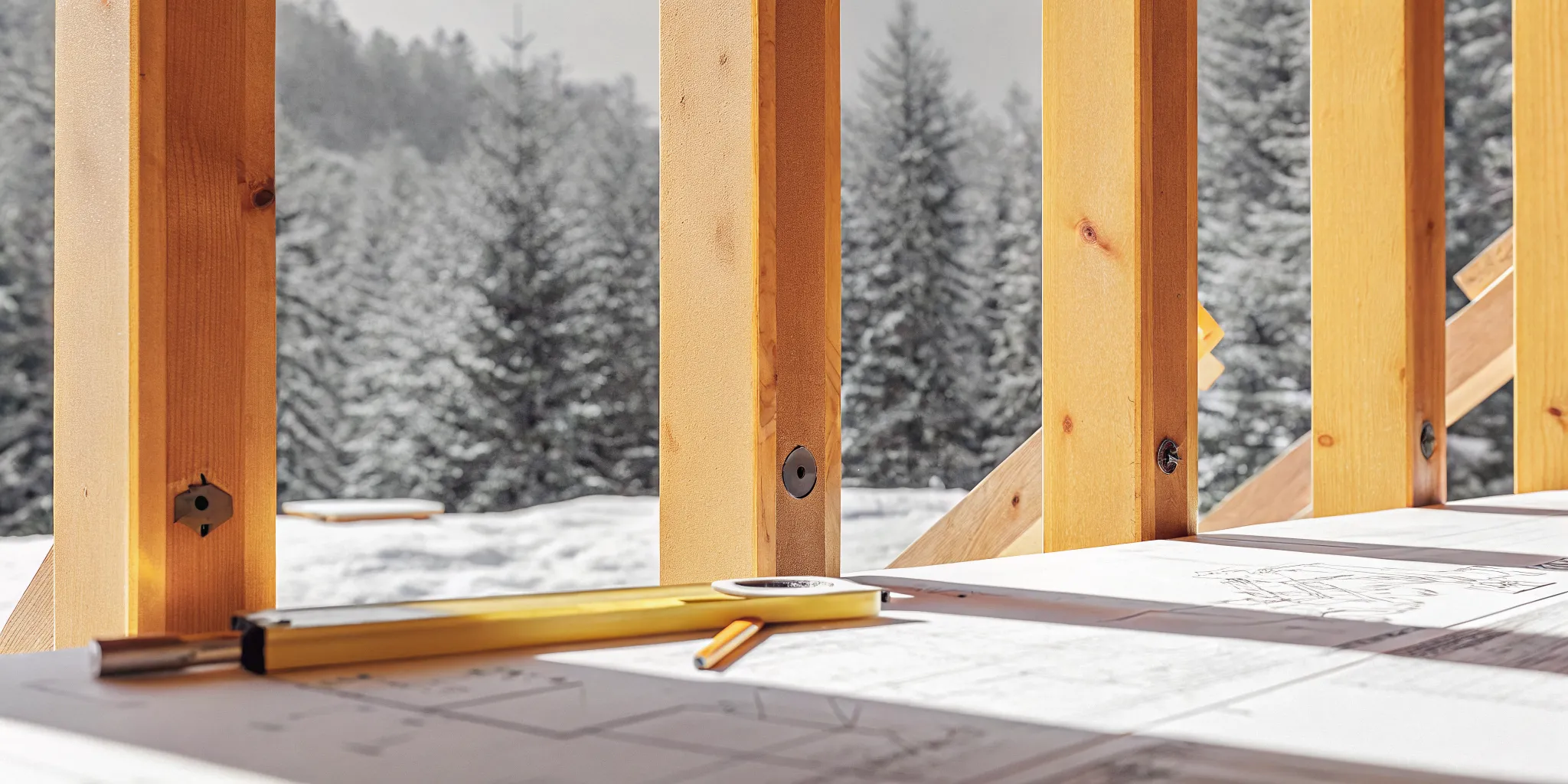
A pole building permit Oregon property owners request helps confirm that a proposed structure meets local safety and land-use rules. Oregon building codes require specific permits to ensure your structure stays safe in heavy snow or during a quake. Navigating these requirements early prevents common project setbacks.
Start your 3D pole building design and submit it to Locke Buildings for a project-specific quote.
Most post-frame projects need a pole building permit in Oregon. Local officials review zoning, setbacks, structural plans, and site-specific wind, snow, and seismic requirements. Exemptions vary by jurisdiction and building use, so confirm requirements with the city or county before ordering materials or beginning site work.
Many property owners feel overwhelmed by the technical details and paperwork for a new build. Understanding these local rules is vital for anyone planning a project in the Pacific Northwest. The first question most builders ask is: Do you need a pole building permit in Oregon? The path begins with local requirements.
Pole Building Permit Oregon: Do you need a pole building permit in Oregon?
Most pole building projects in Oregon require a permit from your local building office. Locke Buildings helps Oregon property owners plan permit-ready post-frame projects that account for regional weather and local review requirements. These permits ensure that your new structure follows all safety rules. Following the pole building permit process in Oregon helps protect your money and keeps your land safe. Each county may have its own set of rules that you must follow before you start your build.
The state sets the main codes, but local offices check each project. You will need to check with your city or county to see what they need for your land. Some small sheds might be exempt, but most shops and barns need a full green light. Ask your local office about rules for a pole building permit in Oregon first.
Why permits matter for your build
Building permits confirm that your pole building can handle local weather and land needs. In the Pacific Northwest, we face heavy snow and strong winds that stress a building. The permit process checks that your design is strong enough for these local forces. It also ensures that your building is a safe distance from lot lines and other structures.
If you build without a permit, you could face big fines or have to take the building down. You might also have trouble when you try to sell your home or get insurance. Most lenders need proof that all buildings on the land have the right permits. Our team has deep knowledge of county rules to help you through this step smoothly.
Common documents needed for approval
When you apply for a permit, you will need to give several sets of plans. A plot plan is a key file you must turn in to the office. This map shows just where your new building will sit on your land. It must show the distance from lot lines, septic tanks, and other buildings. Having a clear plot plan makes it much easier for the office to review your project fast.
You also need detailed building plans for the structure itself. These plans show the base, framing, and rules for wind and snow. If your design is not standard, you may need special math papers to prove it is safe. These papers must show that the building can handle the true wind speeds for your area. Most offices will not start their review until they have all these files in hand.
How we help with your permit
For our turnkey projects, we manage the full permit process from start to finish. This includes making the site plans and working with the local building office for you. We also handle the site-specific design work needed to meet local codes for wind and snow. This full service lets you focus on your new building while we handle the complex papers.
If you choose a DIY kit, we still give the support you need to succeed. Our kits come with the building files and design papers you will need for your permit form. You will still be in charge of the site prep and the filing with your local office. But we make sure you have the right files to show that your building is strong and safe. Whether we build it or you do, we want your project to meet all local standards.
County-by-county permit thresholds in Oregon
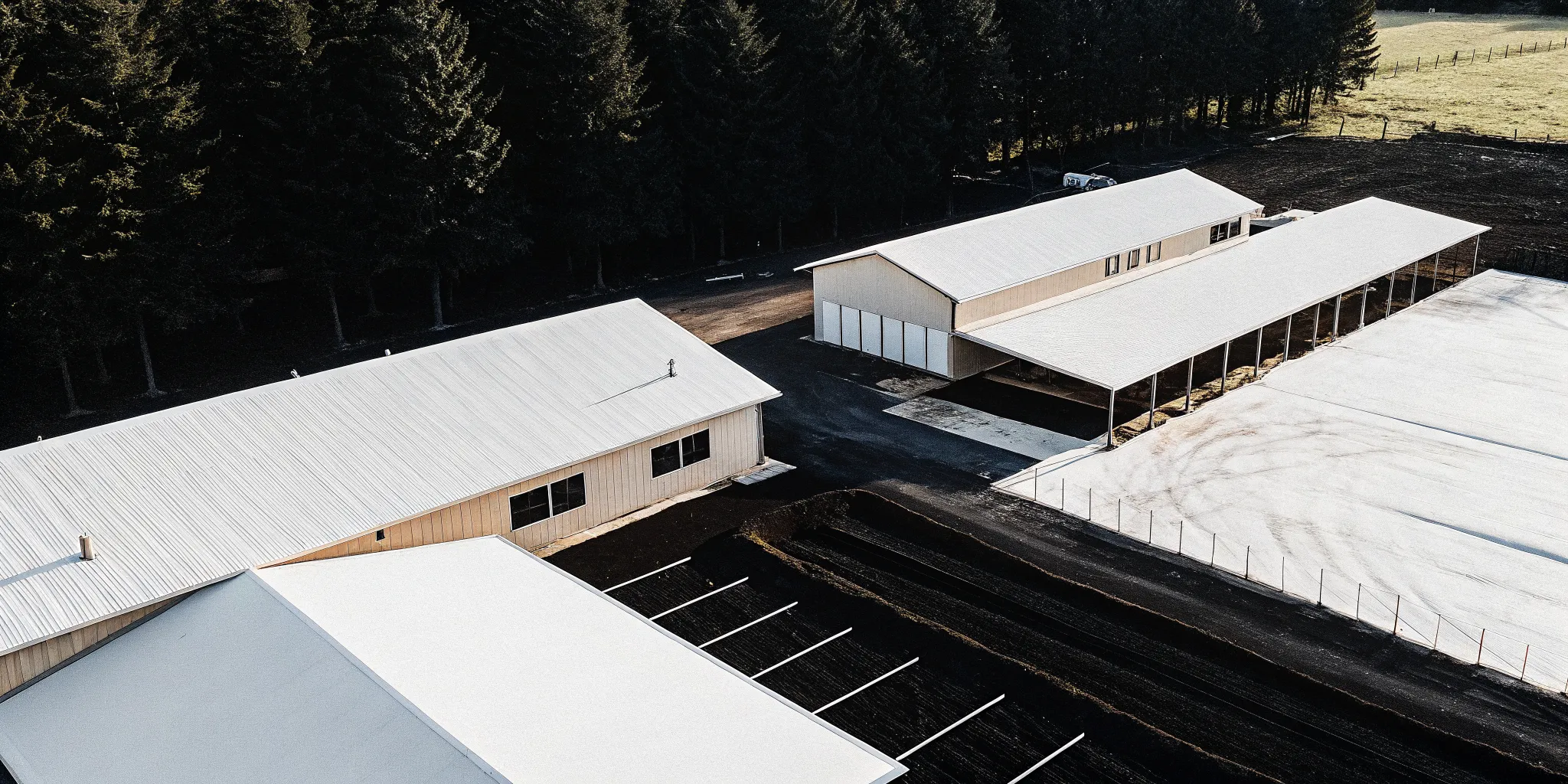
Every building project in Oregon must follow state safety codes. But local rules for a pole building permit in Oregon can change based on your exact spot. Each county and city has its own building office. These offices decide when you need a permit. They also decide how the rules apply to your land. You must check with your local office before you start any work to stay safe and follow the law.
Find your local building office
The first step is to find out which office covers your land. If you live inside city limits, the city building office often handles your permits. If you are outside the city, the county office is often in charge. Oregon has a state-wide tool to help people find their local rules. You can use the Oregon Building Codes Division site to find the right office for your home. Knowing your office early helps you avoid delays later in the project.
Zoning and land use rules
Before you get a building permit, you must check your zoning. Zoning rules tell you what you can build and where it can go. For a small house lot, the rules might be strict. On a large farm, you may have more space to build. You also need to look at setbacks. A setback is the space you must leave between your building and the land line. These rules vary by county. Some places may let you build closer to the line than others. Always check your pole building planning steps to make sure your plan meets these land standards.
Size and use exemptions
Many Oregon counties use a size limit to decide if you need a permit. In many areas, a small shed under 200 square feet may not need a permit. But this is not a fixed rule. Some cities have smaller limits. Also, the way you use the building matters. A barn used for farm work may get a farm exemption in some counties. This means it may not need the same permits as a house. But you still need to file papers to show it is for farm use. You should always check these rules with your local staff.
| Permit Task | Turnkey Construction | DIY Building Kit |
|---|---|---|
| Plan Prep | Locke provides engineered plans. | Buyer gets design papers. |
| Permit Filing | Locke manages the local filing. | Buyer files with the county. |
| Site Engineering | Made for local snow loads. | Buyer checks local load needs. |
| Office Check | Part of the project start. | Buyer finds the right office. |
| Permit Fees | Often part of the quote. | Paid by the buyer to the city. |
Handling permits can feel hard. This is why many people choose a full build. If you buy a kit, you must be ready to talk to local staff yourself. You will need to show them your site plan and building design. The local office will check these for safety. They want to make sure the building can handle local wind and snow. Getting this right at the start keeps your project on track and saves money.
What documents are required for a pole building permit?
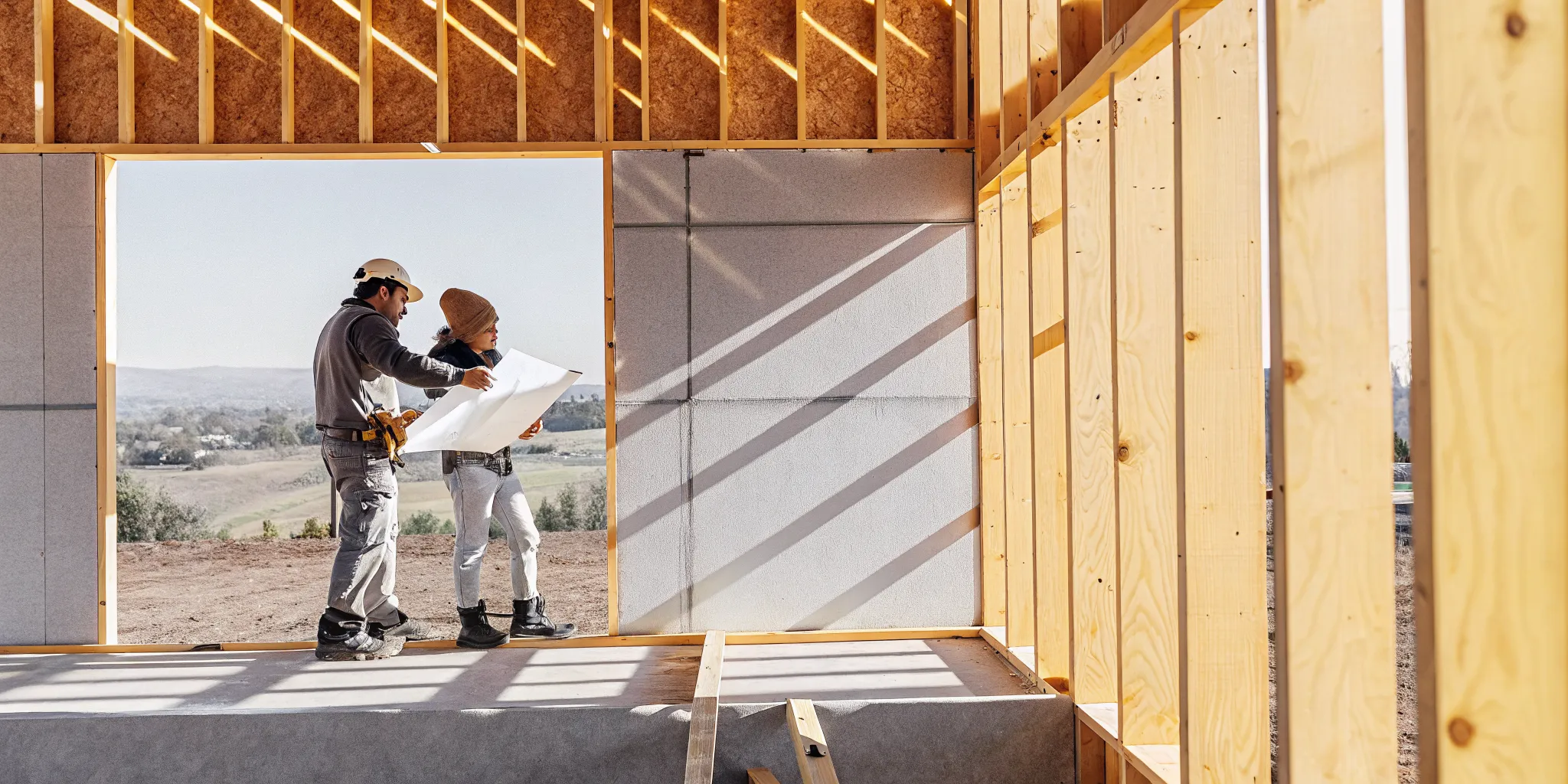
Getting a pole building permit in Oregon takes some work. You must give your local building office a set of files to show your barn is safe. These papers prove that your build meets all state and local laws. Most counties in the state need a permit for any shop or barn over 200 square feet. This step keeps your project on track and helps you avoid big fines later. Knowing the pole building permit process in Oregon before you start can save you a lot of time.
Forms and plot plans
The first thing you need is a permit form. This file gives the building office the basic facts about your project. It will ask for the size of the shop and what you will use it for. You also must show where the new shop will sit on your land. A plot plan shows lines, wells, and other buildings. The Oregon Building Codes Division has samples to help you draw a good site map. It helps the city or county see that you are not building too close to a neighbor or a road.
Structural plans and math
You also need clear drawings of the build itself. These plans show how the frame and base will look. In the Pacific Northwest, your shop must handle heavy snow and strong winds. Some simple builds can use standard plans from the state. But many custom shops need a pro to check the math. Our pole building planning steps can help you track these papers. Having the right files from the start stops delays at the permit office.
- Fill out the permit form. You will need to share the project cost, the size of the barn, and your own contact details.
- Draft a clear site plan. This drawing shows the shape of your land and where the new pole building will go near your home.
- Give build drawings. These pages show the frame, the roof, and the base of the building to prove it is strong and safe.
- Include pro math files. If your design is custom, you need to show that it can stand up to local snow and wind loads.
- Add fire and heat files. Some buildings used for work or living may need to show they save heat or stop fires.
- Check with local offices. Your county might have its own special rules for plans that differ from the state or other cities.
Locke Buildings makes this whole step easy for you. If you pick our full-service build, we handle the permits and plans from start to finish. We know the local codes and have good ties with local building offices. This saves you time and stress so you can focus on your new shop. We give you the math you need to meet the local rules for snow and earthquake loads.
How long does permit approval take?
Getting a pole building permit in Oregon is a key step for your project. The time it takes to get one can vary a lot. Some owners get their papers in just a few weeks. Others may wait for months. This wait depends on your local office and how complex your building is. It also depends on the time of year. Knowing what to expect helps you plan your build with less stress.
Local things that change the wait
The pole building permit process in Oregon changes by county. Small counties with fewer projects may move fast. They might check your plans in ten to fifteen days. Large cities or fast-growing areas often have long lines. Their staff may have hundreds of plans to check at once. This can push your wait time to six weeks or more. It is smart to call your local building office early. Ask them about their current wait times for new builds.
The type of building also impacts the clock. A simple cold-storage shed is easy to check. But a barn with a kitchen or a shop with plumbing needs more reviews. Each extra system needs its own check. If your site has steep hills or wet soil, you may need more reports too. These extra steps add more days to the timeline. You should always aim to start the process well before you want to build.
The plan review and check cycle
Once you turn in your files, the staff starts a deep check. The Oregon Building Codes Division provides rules for these reviews. They want to make sure your building is safe. They check things like snow loads and wind speeds for your site. They also look at your plot plan to see where the building sits. If any part of your plan does not meet the code, the office will send it back. These are often called correction notices.
A correction notice stops the clock. You or your builder must fix the errors and send the new plans back. Then the staff must review them again. This cycle can happen more than once if the plans are not clear. Poor drawings or missing facts are common causes of delays. Using plans that match your site is the best way to pass the first time. This reduces the risk of getting stuck in a long loop of edits.
How to speed up your permit approval
You can take a few pole building planning steps to save time. First, make sure your forms are full. Check that you have all the needed papers and fees. Missing one name can set you back by a week. Second, apply during the slow season. Most people want to build in the summer. If you apply in the late fall or winter, the office may be less busy. This can lead to a faster check.
Choosing the right building path also matters. If you buy a DIY kit, you handle the permits yourself. But for full-service jobs, we handle the permit process for turnkey projects. We provide the site-matched plans and talk to the local staff. This helps us avoid errors that lead to delays. Our team has built many structures in the region. We know what local offices want to see. This helps get your project moving as fast as we can.
Request a free consultation with Locke Buildings before submitting your permit package.
What should you confirm before submitting?
Before you start the pole building permit process in Oregon, you must check a few key facts. You do not want to buy plans only to find out you cannot build on your land. Most Oregon counties need a permit for any new structure that is over 200 square feet. You must know how you plan to use the space. Is it for a farm, a shop, or a place to live? Each use has other rules and safety codes.
Learn about your land use and zoning
Zoning rules tell you what you can build and where. You should talk to your local building office to see if your plan fits the land. Some areas have strict rules for farm use. Other spots might limit how tall your building can be. You must also think about how you will use the space. A simple barn for hay has other code needs than a big store or warehouse. If you choose a full build, experts can help you with these pole building planning steps.
Plan for setbacks and site access
A plot plan is a map of your land. It shows where your building will sit. You must show how far the walls are from your land lines. These gaps are called setbacks. They keep buildings a safe distance from roads and neighbors. You also need to plan for water flow and site access. Rain must flow away from the structure to keep it dry. You must also make sure big trucks can reach the site to deliver parts. The Oregon Building Codes Division says your plot plan must show the structure’s spot near other buildings.
Confirm utility needs and soil quality
Think about water, power, and waste before you apply. If you need a bathroom in your shop, you will need a new permit for pipes. You should also check your soil. Soft or wet soil might need extra rock or concrete to hold the weight of the posts. Building plans must include design facts like local snow loads and wind speeds. This ensures your building stays safe during big storms or heavy winter snow.
- Verify your land line spots.
- Find the spot of all buried power and water lines.
- Look for any wet zones on your land.
- Test the soil to see if it can hold a heavy building.
Locke Buildings can help you with these site checks. Our team knows how to plan for the unique weather and ground in the local region. We can manage the permit work for you if you choose our full service. This saves you time and keeps the project on track. If you are using a DIY kit, you will need to handle the site prep and permits yourself.
Working with Locke Buildings on your permit application
Planning a new project involves many steps, and getting your building permit is a key part. At Locke Buildings, we help you navigate the pole building permit process in Oregon. Our team uses decades of experience to make sure your plans meet local rules. Whether you choose a full build or a kit, we give you the tools you need for a smooth application.
Assistance for turnkey projects
If you choose our full construction service, we take the lead on your permit work. We manage the talk with local building offices and prepare your engineered plans. These plans account for site-specific factors like snow and wind loads which vary across the Pacific Northwest. Our staff has strong ties with many county offices, which helps keep your project on track.
We handle the complex parts of the application for you. This includes creating structural plans that show foundation details and framing layouts. According to the Oregon Building Codes Division, these papers must prove the structure is safe for its specific spot. By letting us manage this, you save time and avoid common slips that can delay a build.
Support for DIY kit builders
For those who prefer to build themselves, our DIY pole building kits offer great value. We provide the structural materials and the engineering papers you need for your permit. While the owner is responsible for filing the application and site prep, our plans give you a professional head start. You can use our pole building planning steps to stay organized.
Each kit includes clear instructions to help you through the process. We make sure the engineering matches the needs of your area, such as seismic or snow load codes. If you have questions about which path is best, you can use our 3D building designer to see your options. Our goal is to give every DIY builder the same expert backing we provide for our full-service clients.
Owner and local authority roles
Even with our help, some tasks stay with the property owner. You will need to provide a plot plan that shows where the building will sit on your land. This plan must show property lines and any other structures already on the site. Local authorities also require design criteria like wind speeds for your exact address. Your local building office makes the final call on all permit approvals.
The value of permit-ready planning is clear from day one. It helps you avoid costly changes later in the build. Since every county in Oregon has its own quirks, our regional knowledge is a big plus. We help you understand what your local office needs so you can start your project with confidence.
Frequently Asked Questions
Do I need a building permit for a pole barn in Oregon?
Most counties in Oregon require you to get a building permit before you start work on a pole barn. This helps make sure your shop or barn meets local safety codes. According to the Oregon Building Codes Division, these rules keep your new building safe. You should always check with your local building office first. They will tell you what rules apply to your project based on where you live.
What is the square footage limit for pole building permits in Oregon?
In many parts of Oregon, you need a permit for any new structure that is larger than 200 square feet. However, these size limits can change depending on which county you live in. Some areas may have different rules for farm buildings or small sheds. It is best to call your local permit office to find the exact limit for your area. This simple step can save you from big fines or delays later in the project.
Are there ready-to-use permit plans for Oregon pole buildings?
Yes, Oregon has a program for plans that are ready to use for some pole buildings. These are called prescriptive plans and they help speed up the permit process. You can find these Ready Build Plans through the state website. While these plans follow state rules, your local building official must still look at them. They will check to make sure the plans fit the wind and snow loads for your specific site.
Who is responsible for getting permits for a pole building kit?
When you buy a pole building kit, you are usually responsible for getting the permits yourself. The kit maker will provide the materials and the design papers you need to apply. However, you must work with your local office to file the paperwork and pay any fees. If you choose a turnkey service, the builder often handles all the permit work for you. This is a great choice if you want to save time and avoid stress.
Ready to start your pole building project in Oregon?
Permit rules in Oregon can change fast. If you wait too long to start, you might face new costs or long wait times. This can push your build date back by many months. Starting today helps you lock in your spot and get through the forms faster. You can avoid the stress of doing it alone. Our team knows the local rules and will help you with the permit process so your building goes up on time. We make the steps simple so you can focus on your new shop or barn. It is best to act now before the next season starts. This way, you can be ready to build as soon as the weather is clear. Do not let small errors stop your progress.
Ready to get a free consultation? Contact Locke Buildings today to submit a 3D building design for a quote.