You know that feeling when you walk into a space and everything just works? Tools are within reach, pathways are clear, and there’s a natural, easy flow from one area to the next. That feeling doesn’t happen by accident. It’s the direct result of a well-planned building layout. For any barn, shop, or commercial space, the layout is the key to productivity, safety, and overall enjoyment. It determines whether your building is an active partner in your work or a constant source of friction. This guide will show you how to think like a designer and create a building layout that supports your specific needs.
Key Takeaways
- Design for Your Daily Workflow: A successful layout is all about function. Create a space that works for you by planning clear traffic paths, grouping related tasks into logical zones, and leaving room for future growth.
- Account for Real-World Details: Avoid common frustrations by planning for the little things from the start. Measure your equipment, consider where you will need electrical outlets, and mentally walk through your daily tasks to ensure your layout is truly practical.
- Visualize Your Plan Before You Build: Use free online design tools to turn your ideas into a visual plan. Experimenting with different layouts helps you understand the scale and flow of your space, letting you fix problems on screen instead of on site.
What Is a Building Layout?
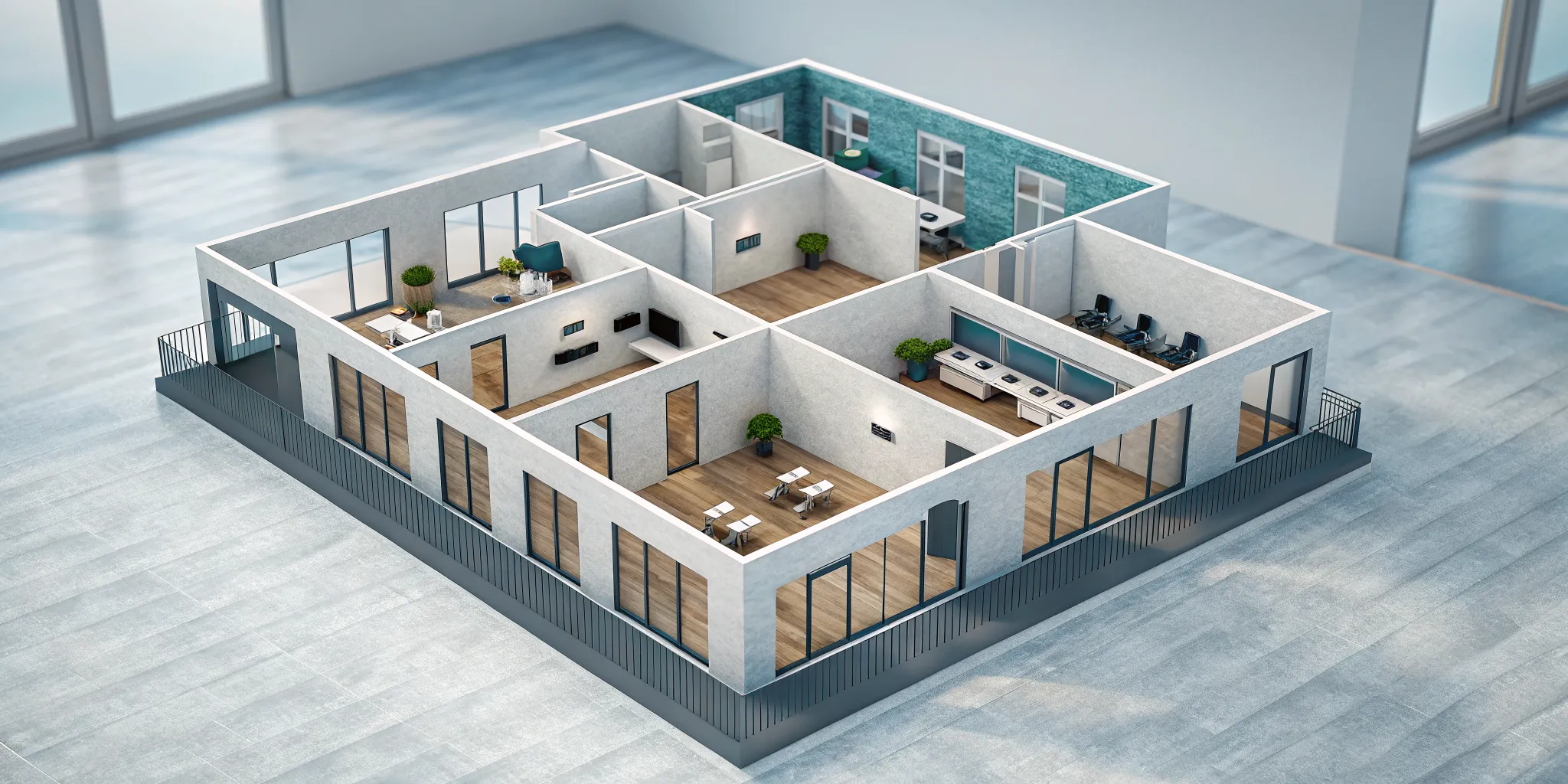
Think of a building layout, or floor plan, as the master blueprint for your future space. It’s a scaled bird’s-eye view diagram that shows how every part of your building relates to the others. This isn’t just a rough sketch; it’s a detailed plan that maps out walls, rooms, doors, windows, and major structural elements. It’s the roadmap that dictates how people, animals, or equipment will move through the building.
For a pole building, the layout is everything. It determines where you place horse stalls for easy access, how you arrange car lifts for an efficient auto shop, or where you position aisles and checkout counters in a retail store. A good layout defines the building’s flow and function before a single post goes into the ground. It helps you visualize exactly how you’ll use the space day-to-day, ensuring the final structure is practical, safe, and perfectly suited to your needs. Getting the layout right is the most critical first step in creating a building that truly works for you.
Why a Smart Layout Is So Important
A smart layout is the difference between a building that feels intuitive and one that creates daily frustrations. Its importance goes far beyond just looking good on paper; it’s about creating functional and aesthetically pleasing spaces that support your goals. A well-designed layout maximizes every square foot, ensuring you have an efficient workflow, easy circulation, and no wasted space.
This thoughtful planning prevents future headaches. It ensures your building can adapt as your needs grow and change, saving you from costly renovations down the road. Whether it’s for a commercial business, a farm, or a personal workshop, a smart layout makes the building more productive, comfortable, and valuable in the long run. It’s an investment in functionality that pays off every single day.
What Makes a Layout Functional?
A functional layout is one that works for you, not against you. It’s the invisible framework that makes your daily activities smoother, safer, and more efficient. Think of it as the choreography of your space. Whether you’re running a commercial business, managing a farm, or working on projects in your shop, a well-designed layout considers how you move, what you need, and where you need it. It’s about more than just four walls and a roof; it’s about creating a space that supports your goals. A layout that feels intuitive and effortless doesn’t happen by accident. It’s the result of careful planning that prioritizes how the building will actually be used day in and day out.
When your building’s layout is right, everything just clicks. Tools are within reach, equipment has a designated home, and there’s a natural flow from one task to the next. When it’s wrong, you feel it in the form of daily frustrations, like bottlenecks, wasted steps, and cramped quarters. A smart layout can make a small shop feel spacious or a large barn feel organized and manageable. It’s the foundation of a productive and enjoyable space. Let’s break down the four key elements that turn a simple floor plan into a truly functional building.
Plan for Traffic Flow
The first step is to think about movement. How will people, animals, and equipment get from point A to point B? The goal is to create unobstructed paths that make sense for your daily routines. Clear pathways should be wide enough to move through easily, even when you’re carrying tools or leading livestock. For most spaces, a width of three to four feet is a good starting point. In a workshop, this means you can wheel a project across the room without hitting a workbench. In a barn, it ensures safe and easy passage for both you and your animals.
Define Your Zones
Every building has different activities happening within it, and a smart layout gives each one a dedicated home. This is called zoning. It’s about grouping related tasks together and separating activities that might clash. For example, you wouldn’t want your dusty woodworking area right next to a clean office space or a vehicle painting station. In an agricultural building, you might keep feed storage separate from the tack room. By defining your zones, you create a more organized, efficient, and pleasant environment for everyone. Think about your workflow and group stations logically to minimize unnecessary steps.
Let in Light and Air
Never underestimate the power of good lighting and ventilation. Placing windows and doors thoughtfully can fill your space with natural light, making it a more enjoyable place to be and even reducing your electricity bill. It’s often best to position large windows to capture morning light while avoiding the harsh afternoon sun. Proper airflow is just as important, especially in workshops creating fumes or agricultural buildings housing animals. A well-ventilated space is safer and healthier. Consider how large roll-up doors, windows, and ridge vents can work together to create a bright and airy environment.
Design for Future Growth
It’s easy to design for your needs today, but a truly functional layout also anticipates your needs for tomorrow. One of the biggest mistakes people make is underestimating future space requirements, which can lead to a cramped and inefficient building down the road. Will your business expand? Might you buy larger equipment for your shop? A flexible layout with open, adaptable areas gives you room to grow without needing a major renovation. Planning for the future from the start ensures your building serves you well for years to come.
How Layout Affects Your Building’s Daily Use
A building’s layout is much more than a simple floor plan; it’s the blueprint for how you’ll live, work, and move within the space every single day. The right layout can make your daily routines feel effortless, while a poorly planned one can create constant, low-grade frustration. Think about the path you’ll walk from your truck to your workshop bench, how easily livestock can move from a stall to a pasture, or how customers will browse your retail space. Each of these scenarios is directly shaped by your design choices.
A thoughtful layout considers not just where to put the walls, but how the entire building will function as a cohesive unit. It anticipates your needs and streamlines your activities, whether you’re running a business or pursuing a hobby. When planned correctly, your building becomes an active partner in your work, making every task simpler and more efficient. The goal is to create a space that feels intuitive and supportive, preventing bottlenecks and making it a genuine pleasure to use. We’ve seen how a great layout transforms our clients’ pole buildings from simple structures into highly functional and enjoyable environments.
Make the Most of Your Space
Your building is a significant investment, so you want every inch to work for you. An effective layout helps you do just that by maximizing every square foot. Instead of wasted corners or awkward, unused areas, a smart design creates a purpose for the entire footprint. This is where you can get creative with dual-purpose zones and adaptable spaces that can change as your needs evolve. For example, a section of your workshop could have modular workbenches that can be cleared away to create open floor space for a large project. The key is to design for efficiency and flexibility from the very beginning, ensuring your building serves you well for years to come.
Create a More Productive Workflow
For any commercial, agricultural, or workshop building, the layout directly impacts productivity. A well-designed space is about crafting an environment that actively supports your goals. For instance, in a manufacturing or warehousing setting, a customized layout can significantly reduce the time it takes for employees to move between stations and complete their tasks. Think about the natural sequence of your work. In a barn, this might mean placing the tack room close to the grooming area. In a commercial shop, it could involve arranging equipment to create a logical production line. By minimizing unnecessary steps and creating a clear path for movement, you build an environment that makes work flow smoothly.
Improve the Experience for Everyone Inside
A great layout isn’t just about efficiency; it’s also about creating a space that is safe, comfortable, and pleasant for everyone who uses it. This human-centric approach considers factors like natural light, ventilation, and ease of movement. For example, placing large windows in a workshop not only reduces the need for artificial lighting but also makes it a more enjoyable place to spend time. In a horse arena, a well-designed layout ensures clear sightlines for both riders and spectators. Achieving this requires a clear vision and good communication, ensuring the final design is operationally efficient and adaptable. When you start to design your own building, think about the experience from the perspective of every person (or animal) who will be inside.
Layout Ideas for Different Pole Buildings
The beauty of a pole building is its versatility. A simple, open shell can become anything you imagine. But the secret to a truly great building isn’t just its strong frame; it’s a layout that works for you, not against you. The right plan can make your daily tasks smoother, your space feel bigger, and your work more enjoyable. Whether you’re building a barn, a shop, or a retail space, thinking through the layout is the most important first step. Let’s look at some ideas for different types of buildings to get your own creativity flowing.
For Barns and Agricultural Buildings
When your building is part of your livelihood, efficiency is everything. A well-designed layout for an agricultural building can directly impact your productivity and bottom line by saving time and effort. Think about your daily chores and map them out. A central feed and tack room can reduce walking distance, while wide alleyways make it easy to move animals and equipment. Consider placing wash stalls near an exterior door to minimize mess inside. A customized layout helps reduce the time it takes to complete tasks, which is a huge win in any agricultural setting where every minute counts.
For Commercial and Retail Spaces
For a retail or commercial building, your layout is your silent salesperson. It needs to welcome customers, reflect your brand, and guide them effortlessly through your space. Start with a welcoming entrance and a clear path that encourages a natural flow. Use your layout to create focal points that showcase key products and encourage purchases. The design should feel authentic to your brand; a rustic farm store will have a very different feel and flow from a modern auto showroom. Your layout is a key part of the customer experience, making them feel comfortable and eager to see what you have to offer.
For Workshops and Shops
A personal or professional workshop is all about workflow and function. The best layouts are designed for both efficiency and flexibility. Think about creating distinct zones for different tasks, like a cutting area, an assembly table, and a finishing station, to keep your process organized and safe. Smart storage is also key to maximizing every square foot. Consider vertical shelving and mobile workbenches that can be moved as your needs change. A great workshop layout not only improves your current workflow but also includes adaptable spaces that allow for future growth and new equipment.
For Arenas and Open-Span Structures
The main advantage of a pole building for an arena is the ability to create massive, open-span interiors without interior support columns. Your layout should capitalize on this. Focus on creating a functional and safe space for both participants and spectators. This includes planning for adequate and comfortable seating, clear sightlines, and safe entry and exit points. Functionality and scalability are crucial. You want a space that is operationally efficient for daily use but can also adapt for special events. Good lighting and ventilation are also non-negotiable for creating a comfortable environment for everyone.
Bring Your Layout to Life with Our Design Tool
So, you have a vision for your new barn or workshop. But how do you get that idea from your head onto paper, let alone into a real building plan? It can feel like a huge leap, especially if you don’t have any drafting or design experience. The good news is, you don’t need to be a professional architect to create a solid plan. Modern design tools have completely changed the game, making it simple for anyone to map out and visualize a space.
Instead of just imagining where the doors will go or how big the main area should be, you can create a digital model to see it all come together. This is where the magic happens. Visualizing your layout in 2D and 3D helps you understand the scale and flow of your building in a way that a simple sketch can’t. You can experiment with different configurations, move walls, and place equipment to see what works best. This process is crucial because it helps you catch potential issues, like a poorly placed door or a cramped workspace, long before construction begins. It turns your abstract concept into a tangible plan, giving you the confidence that the final structure will be exactly what you need for your farm, business, or hobby.
Use Our Free Online Building Designer
This is exactly why we created our own design tool. We wanted to give you a simple, powerful way to bring your ideas to life. With our free online building designer, you can play the role of architect for your own project. Adjust the building’s width, length, and height, then add features like roll-up doors, windows, and lean-tos. You can even experiment with different color combinations for the roof, walls, and trim. Once you’re happy with your design, you can submit it directly to our team for a personalized quote. It’s the perfect first step to making your dream building a reality.
Common Layout Mistakes (and How to Avoid Them)
Designing your building is exciting, but a few common missteps can turn a dream layout into a daily frustration. Thinking through these potential issues ahead of time will save you from costly changes and ensure your new space works for you, not against you. Here are some of the most frequent layout mistakes we see and simple ways to steer clear of them.
Forgetting About Future Needs
It’s easy to design for your needs right now, but what about five or ten years from now? One of the biggest mistakes is underestimating future space requirements, which can lead to a building that feels cramped and inefficient sooner than you think. Before you finalize your plans, consider your long-term goals. Will your business expand? Do you plan on getting more livestock or larger equipment? Building a little bigger than you currently need, or designing a layout that’s easy to add onto later, provides valuable flexibility for growth.
Ignoring Furniture and Equipment Size
A floor plan can look perfect on paper, but reality hits when you try to move in your equipment. Forgetting to account for the actual dimensions of furniture, machinery, or storage racks is a classic mistake that makes a space feel awkward and unusable. Before you commit, measure everything that will go inside your building, from tractors and workbenches to retail displays. You can even use our free online building designer to place items in your layout and get a better sense of scale, ensuring you have plenty of room to work and move.
Creating Bottlenecks and Bad Flow
How will people, animals, and equipment move through your building? A poor layout can create bottlenecks that hinder movement and disrupt your daily workflow. Think about the main pathways. For a shop, that might be the path from your workbench to your tool storage. For a barn, it’s how you’ll move animals or feed. A layout should promote efficiency with clear, wide paths for high-traffic areas. Mentally walk through your daily tasks in the space to spot any potential choke points before they’re built.
Overlooking Accessibility and Modern Details
Functionality is more than just an open floor plan; it’s about making the space usable for everyone and everything. For commercial buildings, this means incorporating accessibility features. Overlooking modern details can also create problems, like not having enough electrical outlets or placing them in the wrong spots. If your building will be open to the public, you’ll need to follow ADA standards for things like ramps and doorway widths. For any building, planning for utilities like power, water, and internet from the start will make your space far more functional.
DIY Design vs. Hiring a Professional
One of the biggest decisions you’ll make is whether to design your building’s layout yourself or hire a professional. There’s no single right answer; the best path depends on your project’s complexity, your budget, and your own comfort level with design. The good news is that you have great options for either route. Whether you’re sketching on a napkin, using a digital tool, or collaborating with an architect, the goal is the same: to create a functional space that serves you well for years to come. Let’s walk through when each approach makes the most sense.
When to Design It Yourself
You don’t need a degree in architecture to start mapping out your pole building. Thanks to intuitive digital tools, anyone can bring their ideas to life. This is the perfect approach for straightforward layouts or if you simply want to explore different possibilities before talking to a contractor. Playing with the design yourself helps you understand your priorities, like where you want windows for morning light or how wide a hallway needs to feel comfortable. It’s a fantastic, no-pressure way to get started. You can even use our free online building designer to create and visualize your layout, giving you a solid foundation for your project.
When to Call in the Experts
If your project involves complex structural changes, a tricky building site, or requires navigating a web of local permits, it’s probably time to call in a professional. An expert can save you from costly mistakes and ensure your building is safe and up to code. A draftsman can turn your sketches into formal construction plans, which is ideal for simpler additions. For more complex or highly custom projects, an architect provides a comprehensive level of design and project management. Think of them not as an extra cost, but as an investment in getting the job done right the first time.
A Quick Look at the Costs
The cost of design help scales with the level of expertise you need. Simple digital drafting services might only cost a small amount per floor plan. Hiring a draftsman for a standard project could run from several hundred to a few thousand dollars. A licensed architect will be a larger investment, often starting in the low thousands and going up depending on the project’s scope. While these numbers might seem high, remember to weigh them against the potential cost of a major design flaw. A professional can often find efficiencies in the layout that save you money on construction, making their fee a worthwhile expense for a building you’ll love.
Frequently Asked Questions
What’s the very first thing I should do when planning my layout? Before you even start sketching, grab a notebook and think about your daily routine. Make a list of every task you plan to do in the building. What tools or equipment will you need for each task? How do you move from one activity to the next? Thinking through your personal workflow on this level gives you a practical foundation. This simple exercise helps you identify your real needs so you can design a space that truly supports how you work and live, rather than just guessing what might look good.
How do I figure out how much space I actually need? It’s a common fear to build too small. A great way to get a real-world sense of scale is to go to an empty driveway or lawn with some chalk or marking flags. Measure and mark the dimensions of your key equipment, workbenches, and vehicles. Then, walk around them. This gives you a physical feel for how much clearance you need. As a general guideline, it’s wise to plan for about 15 to 20 percent more space than you think you need today to allow for comfortable movement and future growth.
When should I use your design tool versus hiring an architect? Our online design tool is the perfect starting point for everyone, regardless of your project’s size. It’s a fantastic way to explore your options and clarify what you want in a no-pressure environment. You should consider hiring an architect or a professional designer when your project is highly complex, has unique structural requirements, or if you need help navigating local building codes and permits. Many people use our tool to create a solid initial design and then bring that to a professional for refinement.
Does a more complicated layout cost more to build? Generally, yes. The more complex your interior layout is, the more it can add to the final cost. Things like numerous interior walls, custom angles, and a high number of doors and windows all require more materials and labor. A simpler, more open floor plan is typically the most budget-friendly approach. The key is to find the right balance, creating a layout that is highly functional for your needs without adding features that unnecessarily increase the price.
My current building has a terrible layout. Is it too late to fix it? It’s a frustrating situation, but you might have more options than you think. One of the great advantages of pole buildings is their clear-span construction, which means the interior is often free of load-bearing walls. This structure makes them much easier to reconfigure than conventionally framed buildings. It’s often possible to move interior walls, create new openings, or completely rethink the zones within the existing shell to create a more functional and efficient space.