If you are pricing out a shop, hay barn, garage, or equipment cover, a diy pole barn kit can look like the fastest path from idea to finished building. Sometimes it is. Sometimes it is only the right move if the kit is matched to your site, your skill level, and the way you plan to use the building for the next 20 years.
That is where many projects go sideways. People compare kit prices before they have nailed down building size, door placement, roof style, snow and wind requirements, and whether they are actually prepared to handle the labor. A low number on paper does not help much if the building arrives under-scoped for your property or over-complicated for your crew.
What a diy pole barn kit actually includes
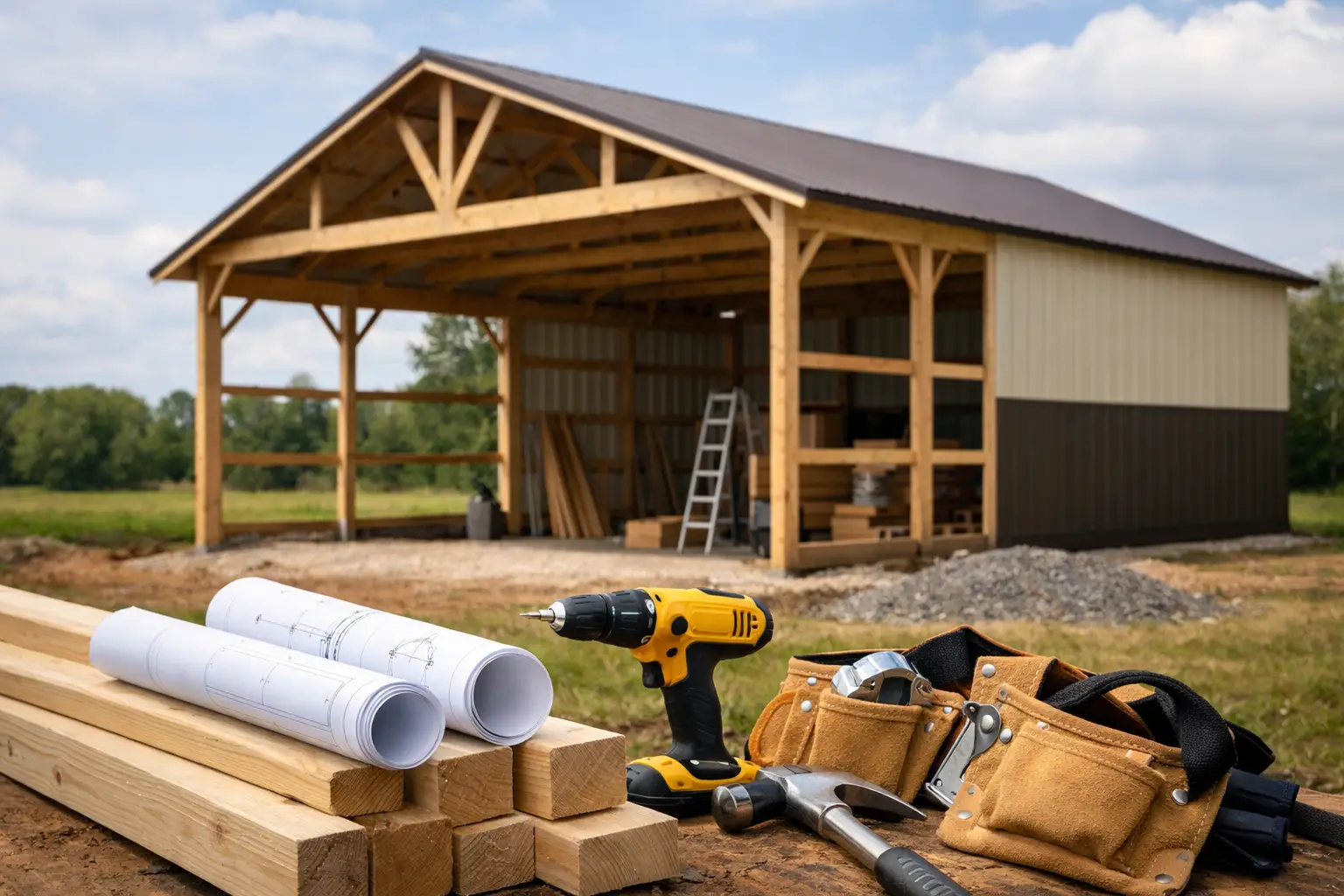
A diy pole barn kit is not a one-size-fits-all package. In most cases, it includes the engineered and material components needed to construct a post-frame shell based on an approved design. That usually means posts, trusses, framing lumber, roof and wall steel, trim, fasteners, and closure details. Depending on the supplier and the building design, it may also include doors, windows, insulation packages, overhangs, and other upgrades.
What it usually does not include is just as important. Site work, excavation, concrete flatwork, utility rough-ins, permitting, interior finishes, equipment rental, and labor are often outside the kit itself. If you assume those pieces are covered, your budget can get off track quickly.
That is why the right question is not just, “What does the kit cost?” It is, “What does it take to get this building fully usable on my property?”
Is a DIY pole barn kit the right fit for your project?
For some property owners, building from a kit makes a lot of sense. If you have construction experience, reliable labor, access to equipment, and enough time to stay on schedule, a self-build can give you more control over the process. It can also work well if you already have a trusted local crew and want a supplied package rather than a full turnkey contractor.
But DIY is not automatically cheaper in every case. If your project involves a complex layout, multiple overhead doors, heavy snow loads, a finished interior, or strict timeline requirements, labor mistakes can cost more than hiring experienced installers from the start. Rural builds in Oregon and Washington also come with local considerations like weather windows, drainage, slope, and code expectations that can affect both design and sequencing.
A practical way to think about it is this: if your main goal is to save money, DIY may help. If your main goal is to save time, reduce risk, and avoid rework, it depends on your build experience and support team.
Start with use before price
The best diy pole barn kit starts with intended use, not square footage alone. A hay barn and a hobby shop may share similar dimensions, but they need different layouts, clearances, ventilation, and access points. An equestrian building may require aisle width and stall planning. A commercial storage building may need larger framed openings, specific traffic flow, and insulation planning from day one.
Before you request a quote, define how the building will work on a normal day. What are you storing? What equipment needs to fit through the openings? Will you need a workbench wall, loft storage, wash bay, tack room, office, or lean-to? Are you pulling trailers through, parking RVs, or housing livestock?
Those answers shape the structure more than most buyers expect. They affect width, height, door size, truss spacing, roof pitch, and whether future expansion should be built into the design.
Size mistakes that cost money later
The most common sizing mistake is building too small. It happens because buyers focus on the current need instead of how the building will be used five or ten years from now. A shop that feels roomy on paper can get tight fast once you add shelving, a work area, a compressor corner, and vehicle clearance.
Height is another frequent miss. Overhead doors, equipment storage, lift clearance, and trailer access all depend on usable interior height, not just wall height listed on a quote. If you are storing tractors, campers, or horse trailers, verify your actual equipment dimensions before finalizing the design.
It is also worth thinking about circulation. A building can have enough square footage and still function poorly if door placement creates awkward backing, tight turns, or blocked work zones.
The design details that matter most
When buyers compare kits, they often look at the visible pieces first – metal color, roof style, and overall dimensions. Those matter, but the long-term value usually comes from the structural and layout details.
Posts and trusses need to be specified for your region and use case. Roof loads, wind exposure, and foundation conditions are not generic. Door placement needs to work with framing and traffic flow. Overhangs can improve weather protection and appearance, but they also need to fit the structural design. If you want insulation later, roof and wall assemblies should be planned with that in mind now.
A good kit design does not just produce a shell. It produces a building that goes together cleanly and performs well once it is built.
What to check before ordering a DIY pole barn kit
Before committing, make sure you know who is responsible for each stage of the project. That includes site prep, permits, delivery access, unloading materials, equipment for setting posts and trusses, and sequencing with any concrete or utility work.
You should also confirm exactly what is included in the package. Ask for a clear material list and a defined scope. If overhead doors, entry doors, windows, condensation control, or closures are optional, get those clarified in writing. Small omissions at quote stage can turn into expensive add-ons once construction starts.
Lead time matters too. If you are trying to build around harvest, livestock needs, or a narrow weather window, delivery timing should be part of the decision, not an afterthought.
DIY build challenges most people underestimate
The structure itself is only one part of the job. Coordinating delivery, staging materials, handling weather exposure, reading plans accurately, and keeping the site safe all take discipline. Post-frame construction is efficient, but it still requires precision. Posts must be set correctly. Trusses need proper bracing. Steel installation has to stay square and consistent.
This is where honest self-assessment matters. A capable owner-builder with the right help can do excellent work. A rushed build with uneven labor and limited equipment can lose weeks and create quality issues that are difficult to fix later.
If you are somewhere in the middle, there is another route. Some buyers want the flexibility of a kit but still need support on design, quoting, and build planning. That is often the best balance when the project is straightforward but not simple.
Choosing the right supplier matters as much as the kit
Not all kit providers operate the same way. Some are primarily material sellers. Others understand the full construction process and can help scope a building that makes sense for your site and use. That difference shows up in the quote quality, the plan details, and how well the package reflects real-world installation needs.
For buyers in Oregon and Washington, regional experience matters. Snow loads, wind exposure, wet conditions, and rural access are not minor details. A supplier that regularly works in the region can help you avoid common design misses and ask the right questions early.
That is one reason buyers work with specialists like Locke Buildings. The value is not just in supplying a building package. It is in helping define the project correctly before materials are ever ordered.
A better way to compare options
If you are evaluating multiple quotes, compare them on scope, not just total price. Look at dimensions, design loads, framing assumptions, door and window specs, trim details, and what is excluded. A cheaper package may simply be missing critical pieces.
It also helps to compare how easy each supplier makes the planning process. Can you share plans, explain your intended use, and adjust the design before ordering? Can you get a quote that reflects your actual project rather than a generic shell? Those are signs that the process is built around real outcomes, not just volume pricing.
The right diy pole barn kit should fit your property, your use, and your construction path. If those three things line up, the project usually goes smoother and the building performs the way it should. If they do not, the lowest number on the page can turn into the most expensive option you consider.
Take the extra time to define the job before you buy the package. A pole building is too useful, and too long-lasting, to size and scope by guesswork.