
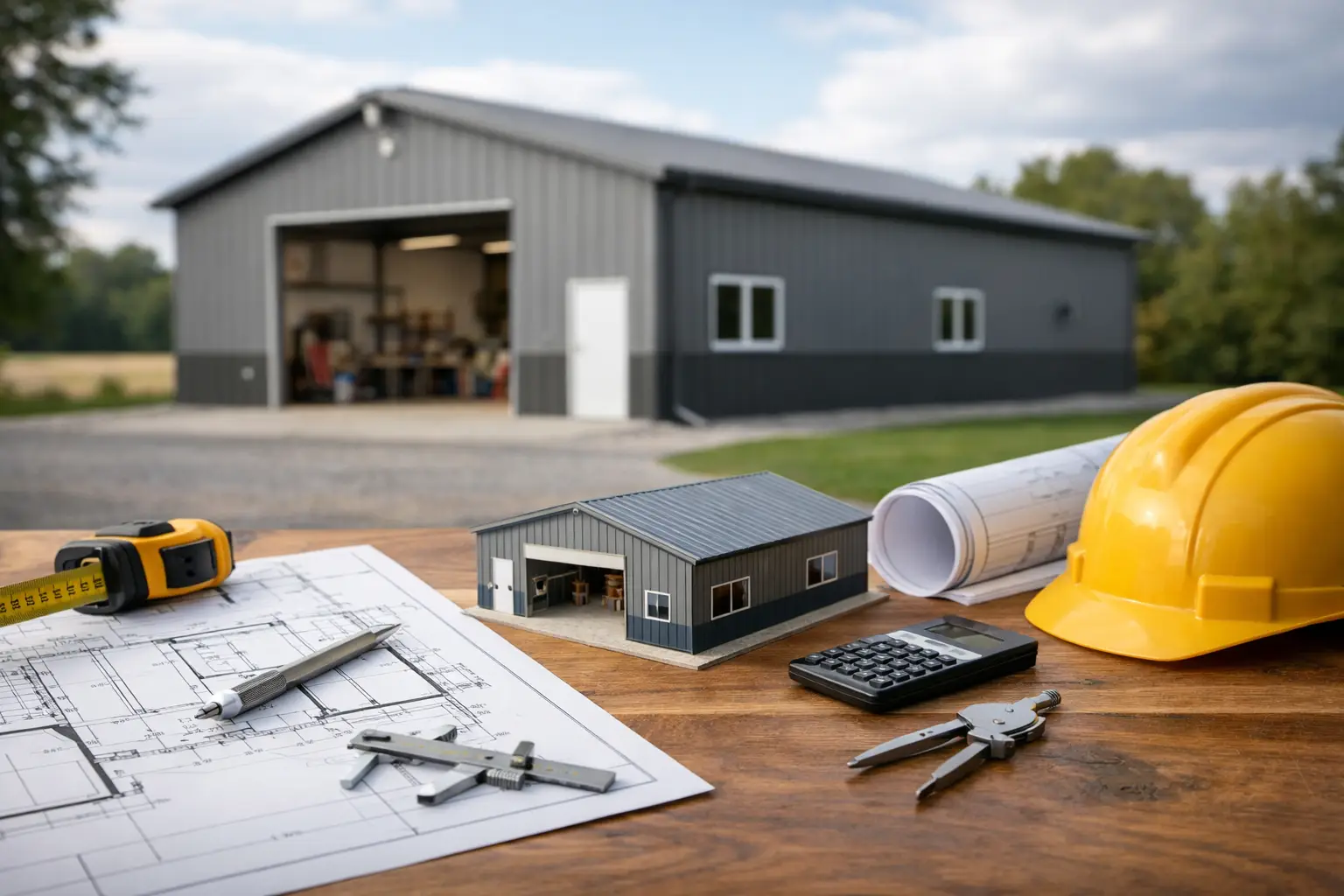
A workshop that looks big on paper can feel cramped the first time you pull in a truck, open a tool chest, and try to walk around a workbench. That is why knowing how to size a workshop building starts with how you actually work, not just the footprint you think you can afford.
Some owners need a clean space for woodworking. Others need room for tractors, welding, fabrication, equipment repairs, or a side business that may grow over time. The right size comes from balancing use, clearance, storage, access, and budget so the building works on day one and still makes sense five or ten years from now.
How to size a workshop building based on real use
The most common sizing mistake is starting with an outside dimension before defining the jobs the building needs to handle. A 30×40 shop can be excellent for one property owner and completely undersized for another. The difference is usually what goes inside and how much open working room is left once the basics are in place.
Start by listing the largest items that need to live in the building full time. That may include a pickup, boat, tractor, side-by-side, enclosed trailer, welding table, compressor, shelving, or workbench runs along one wall. Then think about what needs to happen around those items. Parking something inside is one thing. Servicing it, unloading it, or walking around it with materials in hand takes more room.
If your workshop will serve more than one function, size for the combination, not the primary use alone. A hobby woodshop with occasional vehicle storage needs a different layout than a mechanic shop with small parts storage overhead. Mixed-use buildings usually need more width than owners first expect because separate activity zones reduce constant shuffling and make the space safer.
Start with width, then depth, then height
Most buyers focus on square footage, but layout efficiency often comes down to width. Width controls how many work zones you can place side by side, how vehicles fit next to benches, and whether door placement gives you useful circulation or wasted corners.
A narrower building can still provide enough square footage, but it may force everything into a long tunnel. That can work for simple storage. It is less effective for a workshop where people need to move materials, open doors, and work around equipment. In many cases, adding width improves function more than adding the same amount of depth.
Depth matters when you need multiple bays, pull-through movement, long material handling, or space behind parked vehicles for benches and storage. If you work on long trailers, lumber, pipe, or farm equipment attachments, depth becomes a practical issue quickly.
Height is the third dimension owners sometimes treat as an afterthought. It should not be. Wall height affects overhead doors, lifts, mezzanines, tall shelving, vehicle clearance, and the general feeling of openness. If you expect to store materials vertically, install larger equipment later, or use a vehicle lift, plan that into the wall height from the beginning. Retrofitting height is rarely economical.
Common workshop sizes and what they fit
There is no single best workshop size, but a few ranges tend to fit common needs.
A 24×30 or 24×36 building is often enough for a basic home workshop with one vehicle bay, modest bench space, and some wall storage. This size works best when the building has a focused purpose and you are disciplined about what stays inside.
A 30×40 workshop is one of the most practical starting points for many rural properties. It can support two vehicles or a vehicle plus equipment space, with room for benches and storage if the interior is planned well. For many owners, this is where the building starts to feel like a true working shop rather than a garage with extra room.
A 36×48 or 40×60 building makes sense when the shop needs to handle larger equipment, trailers, fabrication, agricultural support, or a business use. These sizes give you more flexibility to create dedicated work areas instead of using the whole building as one open catch-all.
The trade-off is straightforward. Larger buildings cost more up front, but undersizing can cost you more over time if the building becomes inefficient, forces outside storage, or needs an addition sooner than expected.
Plan around clearance, not just equipment dimensions
One of the simplest ways to get sizing right is to think in terms of working clearance. If your truck is 8 feet wide with mirrors and needs room to open doors, that bay is not really an 8-foot need. If your workbench is 30 inches deep, you also need standing space in front of it and room behind you to move materials or carts.
A good workshop does not just fit equipment. It gives you enough room to use it safely and comfortably. That means allowing for aisle space, swing space at doors, clearance around machines, and enough open floor area to handle projects without constantly moving stored items out of the way.
This is especially important if more than one person will use the building. Two people working in the same shop need more than twice the function of one person if they are operating in separate zones at the same time.
Doors and access can change the size you need
Door layout has a direct effect on usable space. A building may have enough square footage, but poor door placement can reduce what you can actually do with it.
If you are bringing in trucks, trailers, tractors, or material pallets, think about approach angles and turning room before you settle on dimensions. Wider overhead doors and taller doors often improve day-to-day use more than owners expect. They also reduce the stress of moving equipment in and out, especially on uneven rural sites or in wet weather.
Entry doors, windows, and interior obstructions matter too. Every opening affects wall space that might otherwise hold benches, shelving, electrical panels, or tool storage. When sizing a workshop building, it is worth deciding early which walls need to stay open for work areas and which walls can support doors or windows.
Think through storage before the building is built
Storage is where many workshop plans fall apart. Owners often account for the main equipment but not the parts, consumables, racks, compressors, seasonal items, or overflow tools that accumulate around the work.
If your workshop supports property maintenance, farm use, or a trade, storage may deserve an entire zone rather than a few shelves in the corner. Bulkier storage can push the building footprint up fast, especially if floor storage replaces vertical systems.
Higher sidewalls can help by creating room for taller shelving or overhead storage, but that only works if the floor plan still leaves practical access below. Stacking more into the same footprint is useful up to a point. After that, it starts to slow the shop down.
Leave room for future changes
The best answer to how to size a workshop building usually includes one question about the future: what is most likely to change?
Maybe your current tractor is small, but the next one may not be. Maybe your side business is part-time now but could need dedicated fabrication space later. Maybe you want a vehicle lift, a finishing room, or an insulated area for year-round work.
Not every project needs to be oversized for every possibility. Budget matters, and there is no value in paying for space you will never use. But if your needs are already trending upward, building slightly larger now is often more cost-effective than trying to expand after the slab, roofline, and access points are set.
A practical approach is to identify one likely future use and size for that, rather than trying to solve for every scenario. That keeps the project grounded while still protecting the building’s long-term value.
Site limits, budget, and building method all matter
Sizing decisions do not happen in a vacuum. Setbacks, site slope, driveway access, drainage, and utility placement can all affect what dimensions make sense. Sometimes the ideal footprint on paper creates expensive site work or awkward traffic flow.
Budget also shapes the answer. If you need to choose, it is usually better to prioritize the dimensions that protect core function. For one owner that may mean more width and a simpler finish package. For another it may mean greater height and fewer extras at the start.
The construction path matters too. If you are buying a kit and managing the build yourself, you may prefer a straightforward layout with fewer complications. If you are working with an experienced post-frame builder, you can usually explore more customized dimensions, door packages, and functional details without guessing your way through the plan.
For property owners in Oregon and Washington, regional weather loads and site conditions should also be part of the sizing conversation. A workshop is not just a box. It needs to perform well where it is built.
A simple way to land on the right workshop size
If you are stuck between two sizes, sketch the interior before making the call. Draw the vehicles, benches, shelves, and doors to scale. Then add the walking and working clearances you need, not the ones you hope you can live without.
That exercise usually makes the right answer clearer. Either the smaller size still works, or you see exactly where the pressure points will be. Experienced builders do this every day because function shows up in the layout long before construction starts.
At Locke Buildings, that is the practical part of the process – helping owners match dimensions to use so the finished workshop works like a shop, not a compromise. If you size it around your actual workflow, the building will keep paying you back every time you pull in, set up, and get to work.
A good workshop should make the job easier the moment the doors open.