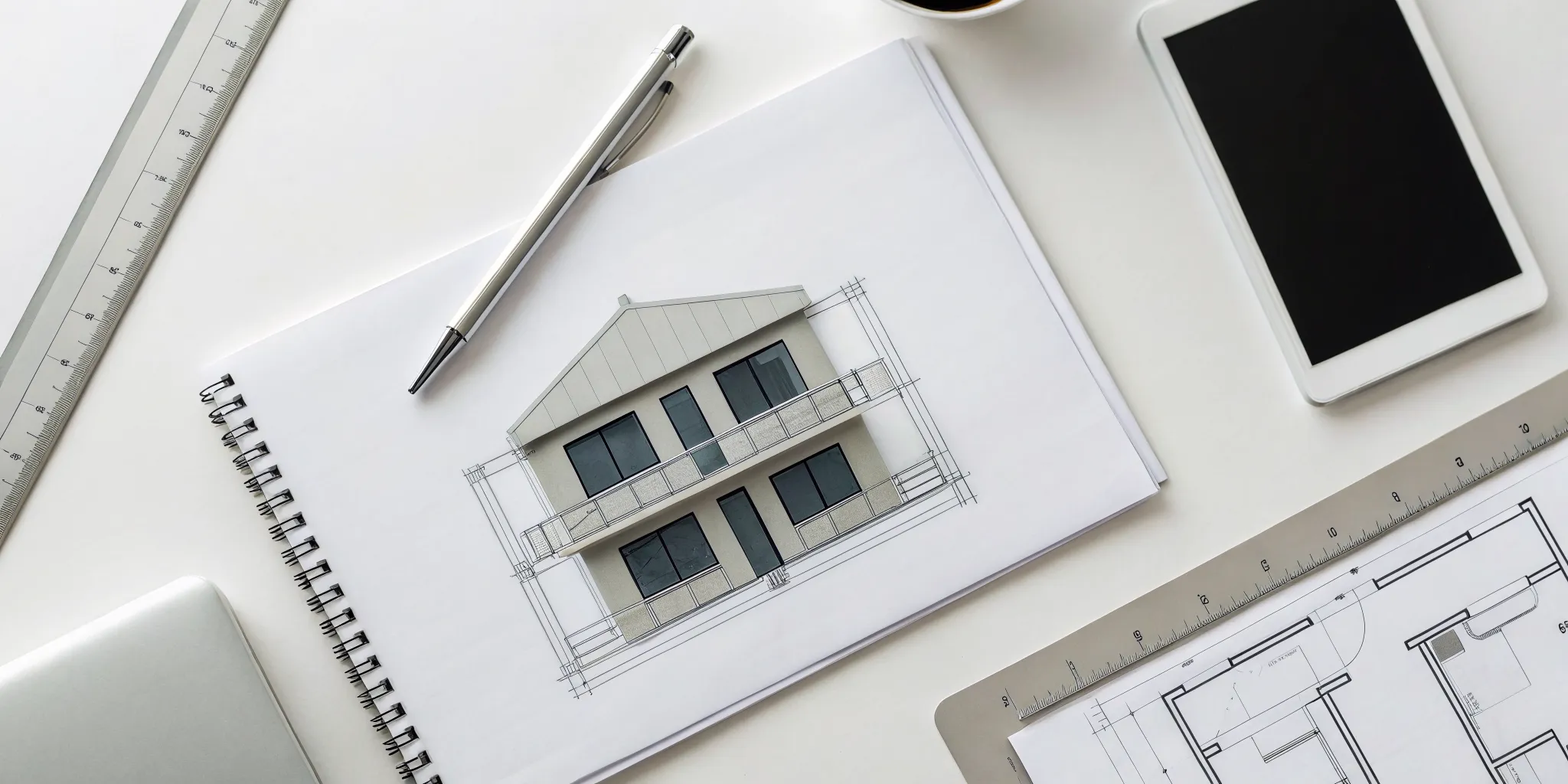
Choosing a building plan is where you get to be the architect of your own space. It’s the most creative part of the process, where you decide the layout, features, and flow of your future building. With modern tools, you can even design your own structure online. But turning that creativity into a buildable project requires a solid foundation of knowledge. This guide is here to help you navigate the world of building plans and designs, ensuring your vision is practical, on budget, and ready for construction. Let’s get you started on a building that’s uniquely yours.
Key Takeaways
- Treat Your Plan as a Communication Tool: A detailed building plan ensures everyone, from you to your builder to the permitting office, is working toward the same goal; this shared understanding is your best defense against budget overruns and construction delays.
- Balance Your Vision with Reality: The right plan is a balance of three things: what you need now and in the future, the opportunities and constraints of your property, and a realistic budget. Considering all three early on is the key to a successful project.
- Find a Plan That Fits Your Process: You have options for finding the perfect design, so choose the one that works for you: browse online marketplaces for inspiration, work directly with a builder for a custom plan, or use an online 3D tool to bring your own vision to life.
What Is a Building Plan?
A building plan is the essential first step for any construction project, whether it’s a new barn, a commercial shop, or a personal workshop. Think of it as the detailed recipe your builder will follow. It goes far beyond a simple sketch, providing a complete set of instructions that outlines every aspect of your future structure. These plans communicate your vision to the construction team, ensure you meet local building codes, and help you create an accurate budget before the first post is ever set. Without a solid plan, you’re just guessing, but with one, you have a clear path from concept to completion.
Floor Plans, Blueprints, and Drawings: What’s the Difference?
You’ve probably heard these terms used interchangeably, and while they’re all related, they have specific meanings. “Drawings” is a catch-all term for any visual representation of your building. A “floor plan” is a specific type of drawing: a top-down view that shows the layout, room dimensions, and the placement of doors and windows. It helps you visualize the flow of the space. “Blueprints” are the final, official construction documents. The name comes from an old printing process, but today it refers to the complete set of detailed drawings and specifications needed to get permits and build your structure. They contain everything from foundation details to electrical layouts.
Why Your Building Plan Matters
Putting time and effort into your building plan is one of the smartest things you can do. A great plan turns your ideas into a concrete reality, ensuring the final structure is exactly what you envisioned. It’s also your most important tool for budgeting. A detailed plan allows you to account for both material and labor costs, which helps you stay on budget and avoid surprises down the road. This document becomes the single source of truth for you, your builder, and permitting officials, making sure everyone is working toward the same goal. You can even start to design your own structure online to get a feel for how different layouts and features come together.
Common Types of Building Plans
Once you start looking for building plans, you’ll quickly see they fall into a few main categories based on their intended use. Think of it like browsing for a car; you wouldn’t look at sports cars if you need a family minivan. Understanding these common types of plans helps you focus your search and use the right language when talking to builders or designers.
Whether you’re planning a new home, a functional barn for your farm, or a commercial space for your business, there’s a category of plans designed specifically for that purpose. Each type prioritizes different features, from the open-concept flow of a residence to the durable, wide-open spaces required for an industrial shop. Let’s walk through the most common types so you can find the perfect starting point for your project.
Residential Plans
Residential plans are all about creating a home. These are the blueprints for houses, cabins, and other living spaces. You’ll typically find them organized by features like square footage, the number of bedrooms and bathrooms, or architectural style. Many online marketplaces offer thousands of pre-designed house plans that you can purchase and modify to fit your family’s needs and your property’s specific requirements. While a traditional house plan is a great starting point, remember that alternative construction methods, like pole buildings, can also be used to create beautiful and durable custom homes.
Agricultural and Barn Plans
If you have land in the Pacific Northwest, you know that a functional outbuilding is essential. Agricultural and barn plans are designed for the demands of farm life, whether you need housing for livestock, storage for hay and equipment, or a space for processing your harvest. These plans prioritize durability, ventilation, and efficient layouts. As a leading pole building contractor in Oregon and Washington, we specialize in creating structures that are perfectly suited for agricultural use. Pole building designs are particularly popular for barns because they offer wide, unobstructed interior spaces and are cost-effective to build.
Commercial and Industrial Plans
Commercial and industrial plans are created for business. These designs can range from a simple retail storefront or office to a large warehouse, manufacturing facility, or auto shop. The primary focus is on functionality, workflow, and safety. A good commercial plan will consider things like customer traffic patterns, inventory storage, and the placement of heavy machinery. Post-frame construction is an excellent choice for many commercial buildings because it allows for flexible, open floor plans that can be easily adapted as a business grows or its needs change over time.
Specialty Structures: Arenas, Shops, and More
Beyond homes and traditional barns, there’s a whole world of specialty structures. This category includes everything from personal workshops and RV garages to large-scale riding arenas. These plans are all about supporting a specific activity or hobby. For example, an arena plan will focus on clear-span width and proper footing, while a shop plan will emphasize ceiling height, door placement, and electrical layouts. If you have a unique project in mind, you can use an online tool to design your own building and bring your specific vision to life, ensuring every detail is exactly how you want it.
How to Choose the Right Building Plan
Choosing a building plan is one of the most exciting parts of the process. It’s where your vision starts to take shape on paper. But with so many options, it can also feel a little overwhelming. The key is to approach it methodically. By thinking through your needs, your property, and your budget, you can confidently select a plan that works for you not just on day one, but for years to come. Let’s walk through the four main steps to finding the perfect plan for your pole building.
Define Your Needs (Now and Later)
First, get really clear on the building’s primary purpose. Is it a garage for your vehicles, a barn for your animals, or a shop for your business? Start a list of “must-haves.” Then, think about the future. A simple storage space today might need to become a workshop with an office in five years. Considering your long-term goals now can save you from a costly renovation or a building that no longer fits your lifestyle. Once you have your list, try playing with different layouts. Using an online tool can help you design your building and see how your needs translate into a functional space.
Factor in Your Property and Local Codes
Your land plays a huge role in the design you can choose. Take a walk around your property and consider the best placement. Think about access for vehicles, the direction of sunlight and wind, and any slopes or natural features. Beyond the land itself, you’ll need to understand your local regulations. Every county in Oregon and Washington has its own zoning laws and building codes that dictate what you can build, where you can build it, and how it needs to be constructed. Securing the right building permits is a critical early step that will influence your final plan.
Align the Plan with Your Budget
A successful project is one that finishes on budget. Before you fall in love with a complex design, it’s important to understand your financial capacity. A good budget accounts for both “hard costs” and “soft costs.” Hard costs are the tangible expenses, like materials and labor. Soft costs are the other fees associated with the project, such as design fees, permits, and site surveys. Separating these costs helps you create a more accurate financial picture and make informed decisions about the size and features of your building. A clear budget for building will be your best tool for keeping the project on track.
Common Mistakes to Avoid When Choosing a Plan
We all want to get our projects started quickly, but rushing the planning phase is a common misstep. One of the biggest mistakes is failing to think through all the details before construction begins. Where will the doors and windows go for the best light and access? Is the layout practical for how you’ll actually use the space every day? Another mistake is choosing a plan that’s too big or too small for your needs, which goes back to that first step of defining your purpose. By taking your time and avoiding these common pitfalls, you set yourself up for a building that you’ll be happy with for a long time.
The Cost of Building Plans
Figuring out the cost of your building plans is a critical step in your project’s financial planning. It’s more than just the price tag on a set of drawings; it involves the initial plan, any changes you want to make, and other expenses that can pop up along the way. Thinking through these costs ahead of time helps you create a realistic budget and ensures your vision can come to life without any major financial surprises. Let’s break down what you can expect.
Understanding Base Plan Costs
When you start budgeting for a new structure, it’s helpful to think in terms of “hard costs” and “soft costs.” Hard costs are the tangible expenses like lumber, concrete, and labor. Soft costs are the less tangible but equally important fees for things like permits, inspections, and the building plans themselves. The price of a base plan is one of your first soft costs.
While a pre-designed plan is an affordable starting point, it’s just one piece of your overall financial picture. To budget for building a house or any structure effectively, you need to account for both the soft costs of planning and the hard costs of construction. Seeing the complete picture from the beginning helps you allocate your funds wisely and avoid stretching your budget too thin later on.
Budgeting for Plan Modifications
It’s rare to find a plan that fits your needs perfectly right out of the box. You might want to add a window for more light, move a wall to create an open-concept shop, or add another bay for equipment storage. These modifications are completely normal, but they do come at a cost. Designers and architects typically charge for changes with an hourly rate or a flat fee, depending on the complexity of the request.
Before you commit to a plan, it’s a great idea to visualize your changes. Using an online tool to design your building can help you experiment with different layouts and features. This process allows you to see how your ideas look and get a better sense of the scope of your modifications before you start paying for official revisions, saving you both time and money.
Hidden Costs to Watch For
A great building plan is the foundation of your project, but other costs can surface that aren’t included in the design fee. These often relate to your specific piece of land and local regulations. Common examples include fees for building permits, the cost of site preparation like grading or excavation, and expenses for connecting utilities like water and electricity.
To handle these variables, it’s smart to include a contingency fund in your budget, which is typically 10% to 20% of your total estimated cost. This fund acts as a safety net for unexpected expenses. By actively preparing for potential overruns, you can manage the financial side of your project with confidence, ensuring everything stays on track from start to finish.
Free vs. Paid Building Plans: Which Is Right for You?
When you start looking for building plans, you’ll quickly find both free and paid options. It can be tempting to go with a free plan to save money upfront, but it’s important to understand what you’re getting with each choice. The right decision depends entirely on your project’s complexity, your budget, and how much hands-on guidance you need. Making the right choice here sets the foundation for your entire project.
What to Expect from Free Plans
Think of free building plans as a starting point. They can be a great way to gather ideas and understand basic layouts, but they usually come with limitations. You’ll likely find that free plans offer very little room for customization and may not include the detailed specifications you need for permits or construction. If you have a very specific vision or need to adapt a design to your property, a free plan might feel more restrictive than helpful. They often lack professional support, leaving you to figure out material lists and structural questions on your own, which can be a challenge for any builder.
When to Invest in a Paid Plan
Investing in a paid plan is about more than just a drawing; it’s an investment in a smoother, more predictable building process. Paid plans provide the comprehensive details that free versions lack, like structural engineering specifics and complete material lists. This level of detail helps ensure your project is well-planned from the start, which can save you significant time and money down the road. Plus, paid plans often come with professional support. Having an expert to call with questions is incredibly valuable, especially if this is your first time managing a build. This guidance is a key part of what you get with both custom construction and high-quality pole building kits.
What to Look For in a Paid Plan
When you’re ready to purchase a plan, make sure you know what you’re paying for. A quality paid plan should include detailed blueprints, a complete list of materials, and clear, step-by-step construction instructions. These elements are your roadmap to a successful build and help prevent expensive mistakes. Beyond the basics, look for a plan that offers flexibility. The ability to make modifications is crucial for making the final structure truly yours. Good architectural design focuses on adapting a space to your specific lifestyle, so your plan should allow for that personalization.
Where to Find Building Plans
Once you have an idea of what you want to build, the next step is finding the plan to make it happen. The good news is you have a few great options, each with its own set of benefits. Whether you prefer browsing existing designs or creating something from scratch, there’s a path that will work for you.
Online Plan Marketplaces
Think of these as massive online catalogs for home and building designs. Websites like Architectural Designs and Houseplans.com gather thousands of plans from different designers all in one place. You can browse a huge variety of styles, from classic farmhouses to modern shops, and filter your search by size, features, and more. The best part is that most plans aren’t set in stone. If you find a design that’s almost perfect, you can often work with the designer to make modifications, giving you a semi-custom result without starting from scratch. This is a great way to see what’s possible and find a solid starting point for your project.
Work Directly with a Builder
If you have a truly unique vision or a tricky piece of land, working directly with a builder or an architect might be your best path. This is the most hands-on, collaborative approach. You’ll work with a professional to create a completely custom plan from the ground up, ensuring every detail fits your specific needs. The key here is finding the right partner. An experienced builder will guide you through the process, helping you avoid common pitfalls that can lead to budget issues or delays. This partnership is invaluable for turning a complex idea into a functional, well-built structure that serves you for years to come.
Use an Online Design Tool
For a perfect blend of creative freedom and practical guidance, an online design tool is a fantastic option. It puts you in the driver’s seat, letting you experiment with layouts, features, and finishes in real-time. We wanted to give our customers this power, which is why we created our own free online 3D designer specifically for pole buildings. You can easily design your own barn, shop, or arena, visualizing exactly how it will look. It’s a fun, no-pressure way to bring your ideas to life and get a clear picture of your project before you even break ground. It’s the ideal first step to making your vision a reality.
What Makes a Good Building Plan?
A great building plan is more than just a technical drawing; it’s a roadmap that ensures your final structure is practical, durable, and something you’re proud to own. It’s the critical step that translates your vision into a tangible reality. The best plans successfully balance three key elements: a functional layout, smart material choices, and thoughtful aesthetics. Getting these right from the start saves you from costly changes and headaches down the road. It’s why we encourage everyone to experiment and design your own structures with online tools to get a feel for how these pieces fit together.
A Functional Layout and Flow
Functionality is all about how you’ll use the space day-to-day. A good plan optimizes the layout to make your activities easier, not harder. Think about your daily routines. If you’re planning a barn, does the layout provide an efficient path from the feed storage to the stalls? For a workshop, is there enough clearance around heavy machinery and ample room for your workbenches? A well-designed plan considers this functional arrangement to ensure every square foot serves a purpose. It anticipates your needs, creating a natural flow that makes the building comfortable and intuitive to use from the moment you step inside.
Smart Material and Structural Choices
The materials and structural design specified in your plan determine your building’s strength, longevity, and maintenance needs. This is especially important in the Pacific Northwest, where buildings need to stand up to wind and rain. A solid plan calls for materials that not only look good but also offer superior performance and durability. This includes everything from the framing lumber and metal roofing to the siding and insulation. Making smart choices here means your building will be more energy-efficient, require less upkeep, and provide better protection for your equipment, animals, or inventory for decades to come.
Thoughtful Aesthetic Details
While function and structure are the foundation, the aesthetics are what make a building truly yours. This is where you balance practicality with personal style. A good plan incorporates visual details that reflect your taste, whether you prefer a classic rustic look or a more modern design. Elements like the roof pitch, window and door placement, wainscoting, and color combinations all contribute to the final appearance. This is your opportunity to build something that not only meets your needs but also enhances your property’s value and curb appeal through expert custom construction.
Why Pole Building Plans Are a Great Choice for the Pacific Northwest
If you live in Oregon or Washington, you know our landscape is as beautiful as it is demanding. From rolling hills and uneven terrain to the persistent rain, any structure you build needs to be tough, adaptable, and practical. This is where pole building plans truly shine. Unlike traditional construction that often requires extensive excavation and a continuous concrete foundation, pole buildings use a simpler, more robust method that works with the land, not against it. This approach makes them a smart and cost-effective choice for the Pacific Northwest.
Pole buildings are incredibly versatile, serving as sturdy barns, spacious workshops, commercial facilities, or even unique homes. Their design allows for wide, open interiors, giving you the freedom to create a layout that perfectly suits your needs. Whether you’re storing equipment, raising animals, or building out a new retail space, a pole building provides a durable shell that can stand up to regional weather while giving you a blank canvas inside. Because they are engineered for efficiency, they often go up faster and with less site disruption. For anyone looking to build in the PNW, starting with a pole building plan is one of the most reliable paths to getting a structure that lasts.
How Are Pole Building Plans Different?
So, what exactly makes a pole building plan unique? It all comes down to the foundation. Instead of a continuous concrete slab, pole buildings are built on large posts, or poles, that are set deep into the ground. These posts form the main structural frame, transferring loads directly into the earth. This method is often faster and more affordable than traditional foundations, especially on sloped or uneven lots common throughout Oregon and Washington.
Because the design is simpler, you can achieve wide, unobstructed interior spaces perfect for everything from horse arenas to large workshops. This construction style is incredibly efficient and has been perfected by experienced contractors. As a leading pole building contractor in the region since 1981, we specialize in designing and constructing buildings that are perfectly suited for our local environment and your specific needs.
The Flexibility of Pole Building Designs
One of the best things about pole buildings is their incredible design flexibility. The post-frame structure supports the roof without needing interior load-bearing walls, which means you get a massive, open space to work with. This is ideal for agricultural buildings where you need to maneuver large equipment, or for a personal shop where you want a completely open floor plan. You can place doors, windows, and interior walls almost anywhere you like without compromising the building’s integrity.
This flexibility also extends to the building process itself. You can choose to have a team handle the construction or opt for one of our pole building kits. These kits come with every piece of lumber and all the materials you need to complete your build, giving you a straightforward path from plan to finished structure.
Design Your Own Pole Building with Locke Buildings
Feeling creative? You don’t have to settle for a one-size-fits-all plan. Bringing your specific vision to life is easier than ever with tools that let you take the lead. Instead of trying to describe your ideal layout, you can map it out yourself, ensuring every detail is exactly how you want it. This is your chance to plan the perfect workshop, the most efficient barn, or the commercial space you’ve been dreaming of, right down to the placement of every door and window.
Our easy-to-use 3D building software lets you design and plan your project from your computer. You can experiment with different sizes, add features, and see your ideas take shape in real time. It’s a simple way to express your vision and get an accurate starting point for your project budget. When you’re done, you can send your design to our team for a quote.
Ready to Bring Your Plan to Life?
This is the exciting part. You have a vision for your new barn, shop, or arena, and now it’s time to make it real. Turning a plan into a physical structure is a rewarding process, but it starts with a few key considerations to ensure the final result is everything you hoped for. Think of your initial plan as a starting point, not a final command. The best designs are flexible, and nearly all building plans can be modified to better suit your property and your life. Don’t be afraid to ask for changes, whether it’s shifting a wall, adding a wash rack, or creating more storage space.
Of course, your budget plays a major role in what’s possible. It’s wise to create a clear financial plan before breaking ground. Think about not just the initial construction costs but also your future needs. Will your business expand? Will your family grow? Building a little bigger now might be more cost-effective than adding on later. It’s also smart to set aside a contingency fund, typically 10-15% of the total cost, to cover any unexpected expenses. A detailed guide on budgeting for your dream home can help you anticipate the true costs from the start.
Ultimately, a great building plan creates a space that works for you on every level. It needs to be functional, supporting your daily activities with a smart and efficient layout. But it also needs to feel right. The aesthetic details, from the siding material to the window placement, are what make a structure truly yours. A successful design is one that finds the perfect balance between practical function and a look you love. If you’re ready to see how your ideas come together, you can start creating a custom plan with our Design Your Building tool.
Related Articles
- Local Pole Building Design & Construction | Locke Buildings
- Pole Buildings 101 – How to build a pole barn or pole building
- How to Choose a DIY Pole Barn Kit • LOCKE BUILDINGS
- Pole Building Kits – DIY or Contractor Build – Made In Oregon
- Pole building DIY videos. Learn about building pole barns.
Frequently Asked Questions
What’s the difference between a floor plan, a blueprint, and a building plan? Think of “building plan” as the overall project file that contains everything. A “floor plan” is just one document inside that file, specifically the top-down view showing the layout. “Blueprints” are the final, official set of construction documents that include the floor plan plus all the other essential details, like foundation, electrical, and structural specifics needed for permits and construction.
Do I really need a detailed plan for a simple structure like a garage or small barn? Yes, I always recommend it. Even for a simple project, a good plan is your best tool for communication and budgeting. It ensures you and your builder are on the same page, helps you get accurate quotes for materials and labor, and confirms the final structure will actually fit your needs. It prevents small misunderstandings that can lead to big, expensive problems later.
Can I change a plan after I buy it? Absolutely. It’s very common to find a plan that’s almost perfect and then make a few tweaks. Most designers offer modification services for an additional fee. Before you commit, it helps to use an online design tool to visualize your changes. This lets you experiment with moving doors or adding windows, so you have a clear idea of what you want before paying a professional to revise the official drawings.
How do I make sure the plan I choose will meet local building codes in Oregon or Washington? This is a critical step. While many stock plans are designed to meet general standards, codes can vary significantly by county. The best way to ensure compliance is to work with a local builder or designer who is familiar with your area’s specific requirements for things like snow load and wind resistance. They can review your chosen plan and make any necessary adjustments to ensure it will be approved for a permit.
What makes a pole building plan different from a plan for a traditional building? The main difference is the foundation and framing. A traditional plan usually specifies a continuous concrete foundation. A pole building plan, however, is designed around large posts set deep into the ground, which serve as the main structural support. This method is often more cost-effective and adaptable to uneven land, and it creates the wide, open interior spaces that make pole buildings so versatile for shops, barns, and arenas.