Property owners across the Pacific Northwest choose post-frame structures for their many uses and low costs. These buildings adapt to almost any need, from simple equipment sheds to complex homes and shops.
The main pole building types include farm, home, business, and horse structures designed to meet specific storage or living needs. Farm designs often focus on animal housing and tool storage, while home options range from detached garages to finished living spaces. Business types provide large, open spaces for storage or offices, and horse models usually include indoor riding areas and stalls. Research from the University of Illinois shows this method uses large wood posts as the main support to allow for wide interior spaces. Each type offers a flexible way to build strong structures that can handle the unique weather and snow in Oregon and Washington. Whether you need a simple kit for a DIY project or a full build, choosing the right design ensures your building fits your goals.
Start designing your pole building in 3D, then submit your design for a project-specific quote.
Finding the perfect design for your land starts with knowing which group fits your specific use and budget. We will look at how these different groups serve owners across the Pacific Northwest. Our first section answers the question What are the main pole building types? for your property. The path begins with
Which pole building types work best for farms?
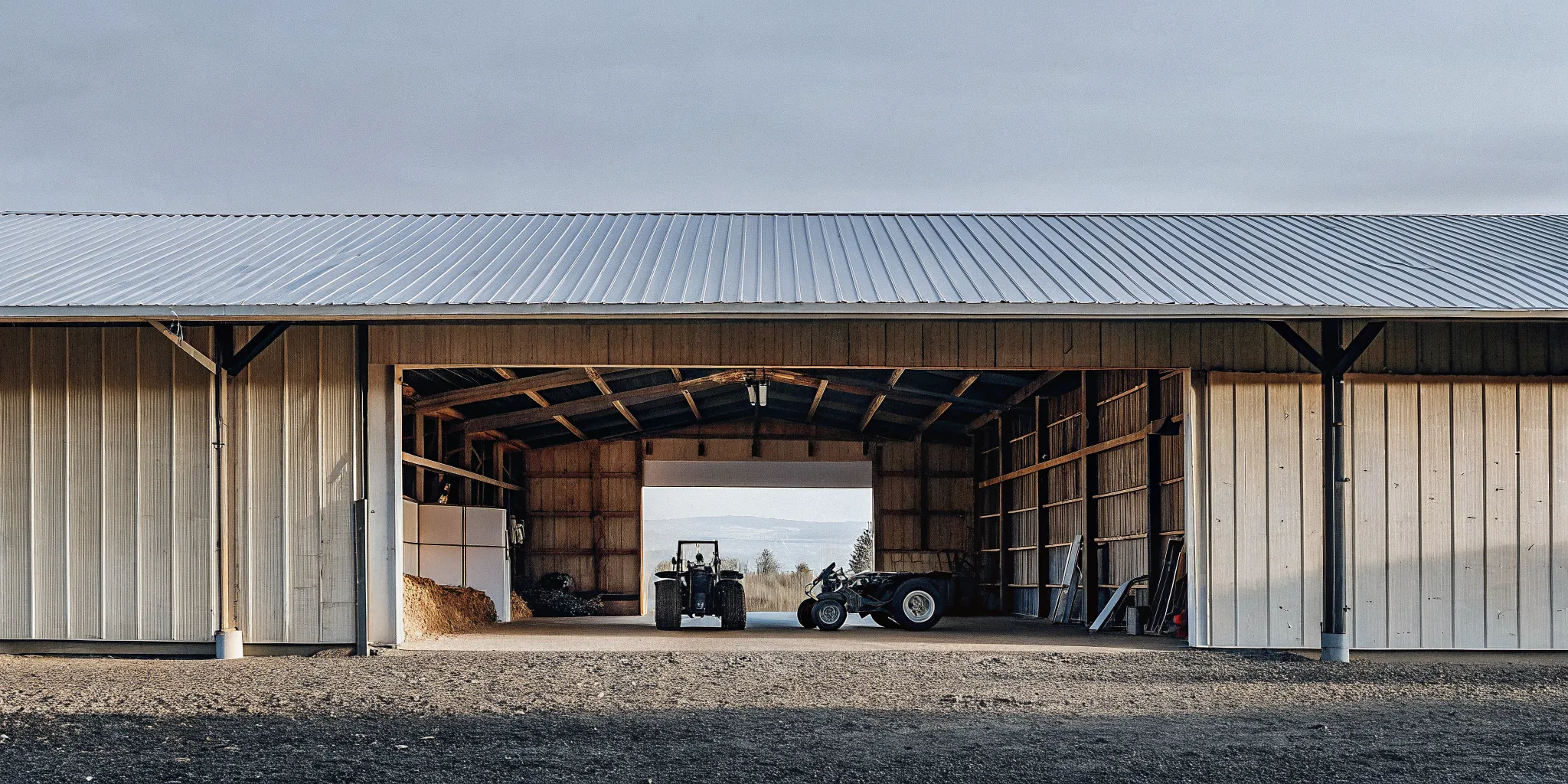
Agricultural pole buildings prioritize open spans, large equipment access, ventilation, and layouts that can adapt as a farm grows. They can serve as machine sheds, hay storage, livestock shelter, or dry work areas.
Farmers have used post-frame construction methods for decades. These pole building types work well on a farm because they offer large, open spaces without the need for many inside walls. This design comes from the way upright posts support the roof. Since these posts can stand far apart, you get plenty of room to move large tractors or store bulk feed. Most basic farm shells cost between $25 and $45 per square foot, making them a smart choice for a growing business.
Common farm storage uses
Storing big tools and crops is the most common use for an agricultural pole building. Machine sheds and tool shops keep your gear safe from the rain and wind. You can plan for wide door openings so that combines and balers fit inside with ease. If you have tall hay stacks, you can build with higher walls to get more space. These buildings also work great as farm workshops where you can fix tools in a dry spot.
Livestock housing is another top choice for this building style. Horse barns and cattle sheds provide shelter from the cold. When you design for these herds, you must think about health and safety. You should use smooth surfaces that are easy to clean in any spot where you handle food or stock. While wood is common, some farm structures use special finishes to stop germs from growing.
Planning for air flow and moisture
Good air flow is key for any farm shop or barn. Without it, moisture can build up and cause mold or rot. This is true for hay storage and for buildings that house stock. You can add vents along the ridge of the roof or in the gables to keep air moving. If your shop will have a concrete floor, a vapor barrier can help keep the space dry. This simple layer stops dampness from the ground from rising up through the floor.
Door size is also a key part of your plan. Farm tools keep getting bigger. It is wise to choose doors that are wider and taller than what you need right now. This makes it easy to bring in new gear later on. You should also think about where you place the building on your land. Leaving room on the sides makes it easier to add more space if your farm grows in the future.
- Choose high-clearance doors for large farm tools.
- Use ridge vents to keep fresh air moving through the barn.
- Install vapor barriers under concrete floors to stop moisture.
- Plan for extra land around the site for future growth.
Designing for snow and weather
Weather in the Pacific Northwest can be tough on farm roofs. You must design your building to handle the local snow and wind. Many farm buildings use a standard 20 psf snow load to stay safe. This rating means the roof can hold about four feet of dry snow or two feet of wet, heavy snow. If you live in a spot with high snow, you might need a stronger design.
Roof pitch also helps with snow safety. If a roof is too flat, snow will not slide off fast. Roofs with a pitch of 3/12 or less often hold onto snow longer than steeper roofs. Adding a slope helps the snow fall off before it gets too heavy. You can also use porous snow fences to help keep snow from piling up in big drifts against your walls. These steps help keep your tools and herds safe all year long.
Which residential pole buildings fit storage, work, and living?
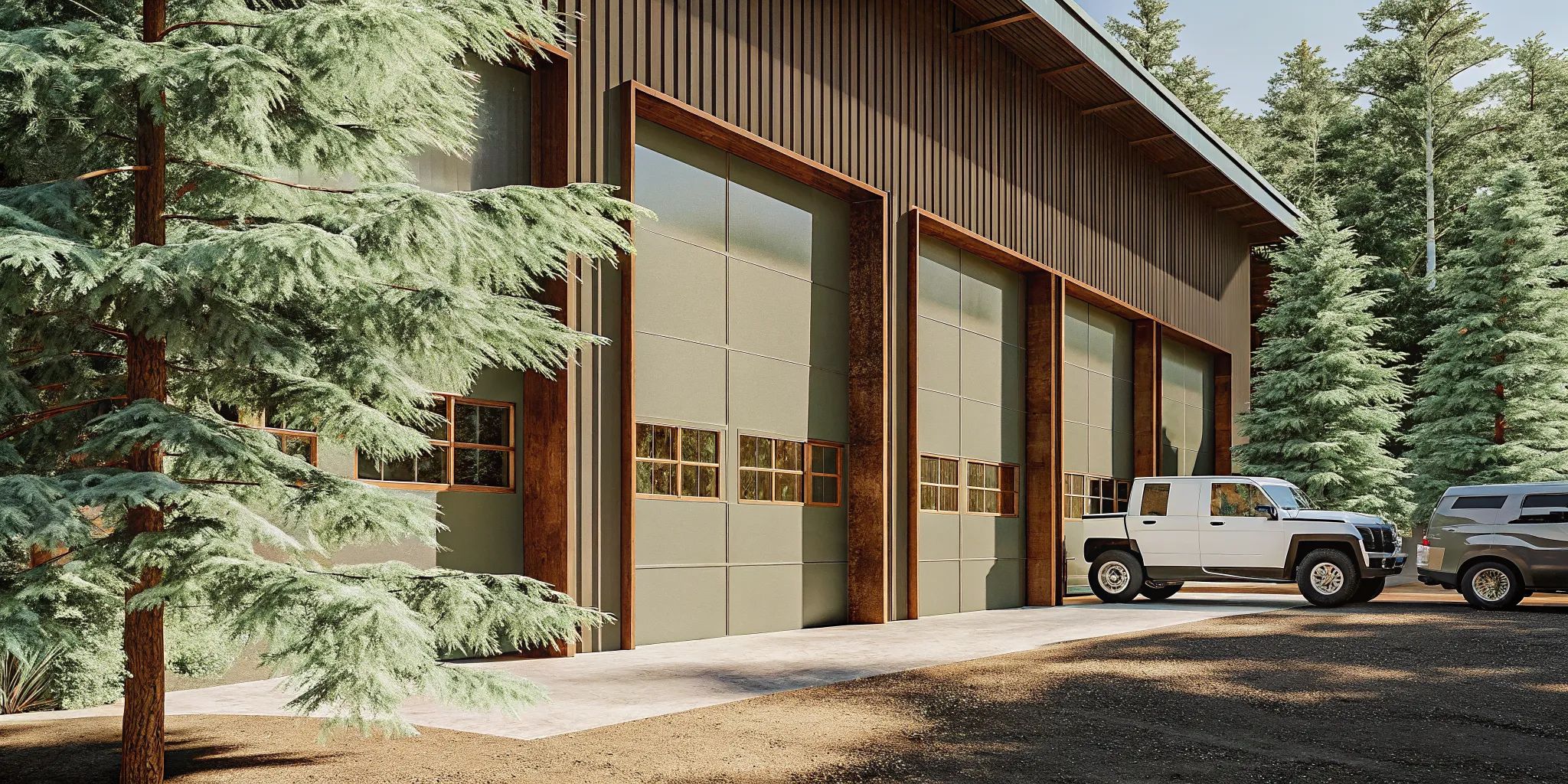
Residential pole buildings can become garages, workshops, RV storage buildings, or finished living spaces. The right layout starts with the vehicles, activities, utilities, and future uses the building must support.
Residential pole buildings offer more than just a place to park a car. These structures give people space for hobbies, big toys, and even new homes. Many owners choose these pole building types because they are fast to build and easy to change. You can design a simple shed or a complex home that fits your life. These buildings work well on large lots where you need more room than a standard house can give.
Garages and personal workshops
A large garage is a common choice for many people who own homes. These buildings protect cars and trucks from the rain in the Pacific Northwest. You can add extra room for a workbench or a craft area. The open floor plan makes it easy to move tools and large items around. Many people find that a special shop helps them focus on their work without clutter in the main house.
When you plan a shop, think about how you will use the space. You might need thick concrete for heavy machines or high walls for car lifts. A post frame building uses strong wood columns to carry the weight of the roof. This design allows for wide rooms without the need for middle walls. You get a clear space that works well for any hobby. You can also add windows and doors exactly where you need them for better light and access.
RV and boat storage solutions
Big vehicles like RVs and boats need a safe home during the winter months. A standard garage door is often too short for these tall items. Residential pole buildings can have very high ceilings and wide doors. This lets you back in a large trailer or a tall camper without any stress. You won’t have to pay for storage off your land when you have a safe spot at home.
Safety is also a key part of the design for these units. Residential structures must meet strict rules for safety and strength. For example, snow load standards for homes are often higher than for farm sheds. This ensures the roof can hold the weight of heavy, wet snow. A steep roof pitch also helps snow slide off so it does not pile up. You can rest easy knowing your costly boat or RV is safe from the weather and falling debris.
Barndominiums and living spaces
Some people want to combine their work and living areas into one spot. A barndominium is a pole building that includes a home. You can have a giant workshop on the main floor and a cozy house on the second level. This setup is great for small business owners, artists, or people who want a unique home. The style works well and allows for modern designs with open lofts and tall windows.
Building a home inside a pole structure requires careful planning. You must follow local rules for permits and zoning in your area. Living areas need more insulation and better air flow than a simple shed. Working with an expert barndominium builder helps you do these tasks. You will need to split the shop area from the living space with fire-safe walls. This keeps your home quiet and safe while you work on projects next door. Using a concrete base also helps keep the floor level and strong for your home.
Commercial pole buildings built around operations
Commercial pole buildings provide clear-span space that can be organized around inventory, vehicles, production, customer access, and offices. Planning circulation and code requirements early keeps the building aligned with daily operations.
For many business owners, the right space is the key to daily success. A commercial post frame building gives you the room you need to grow. It costs less than common steel or stone buildings. These structures use large wood posts to support the weight of the roof and walls. This design means you can have a wide, open floor plan. Locke Buildings can design these pole buildings with clear spans up to 100 feet wide. This is perfect for moving large tools or trucks.
Space for every business need
Business needs change fast, and your building must keep up. Post-frame designs are among the most useful pole building types ready today. Whether you need a simple shop or a complex retail hub, this method works well. Many firms use these buildings for large shops and fleet storage. The wide gaps between posts allow for large bay doors. This makes it easy to move trucks, forklifts, and heavy goods in and out of the site.
Other common uses for commercial pole buildings include:
- Light work and making shops.
- Auto repair centers and service bays.
- Retail stores and farm markets.
- Office-shop mixes with finished front rooms.
- Large storage units for boats or RVs.
These buildings offer a clean look and a sturdy frame. Because the posts carry the load, you do not need inside walls to hold up the roof. This lets you create a custom layout that fits your exact workflow. You can place your office, break room, and shop floor just where they make the most sense for your team.
Designing for workflow and codes
When you build for a business, you must follow strict local codes and safety rules. Post-frame construction is a building technique where large, tall wood posts or columns serve as the main structural support. According to experts at the University of Illinois, these posts are spaced far apart. This allows for open inside spans. This wide spacing is a big win for your budget. It lowers the amount of stuff you need for the foundation and the walls.
Our team at Locke Buildings helps you plan for these rules early. We look at your daily tasks to find the best layout. We think about where your power lines should go and how to best light your workspace. We also make sure the building meets snow and wind load standards for the Pacific Northwest. Using a 3D design tool early in the process helps you see how the building will work before we start. This saves you time and prevents costly changes later.
Room for future growth
A smart business owner always looks ahead. One of the best parts of post-frame design is how easy it is to change later. If your business grows, you can often add on to the length of the building with ease. The clear span design means you can move inside walls without worry. You can also add more bay doors or windows as your team needs more light or access.
Because these buildings go up fast, your business can move in sooner. This quick start helps you get back to work and start seeing a return on your money. We focus on building a structure that serves you now but stays ready for what comes next. Whether you need a main base or a small shop, we build with your long-term goals in mind.
What should an equestrian pole building include?
Equestrian pole buildings should balance horse safety, ventilation, efficient daily chores, and protected space for riding or training. Stall layouts, aisle widths, drainage, and arena clearances should be decided around the property’s specific operation.
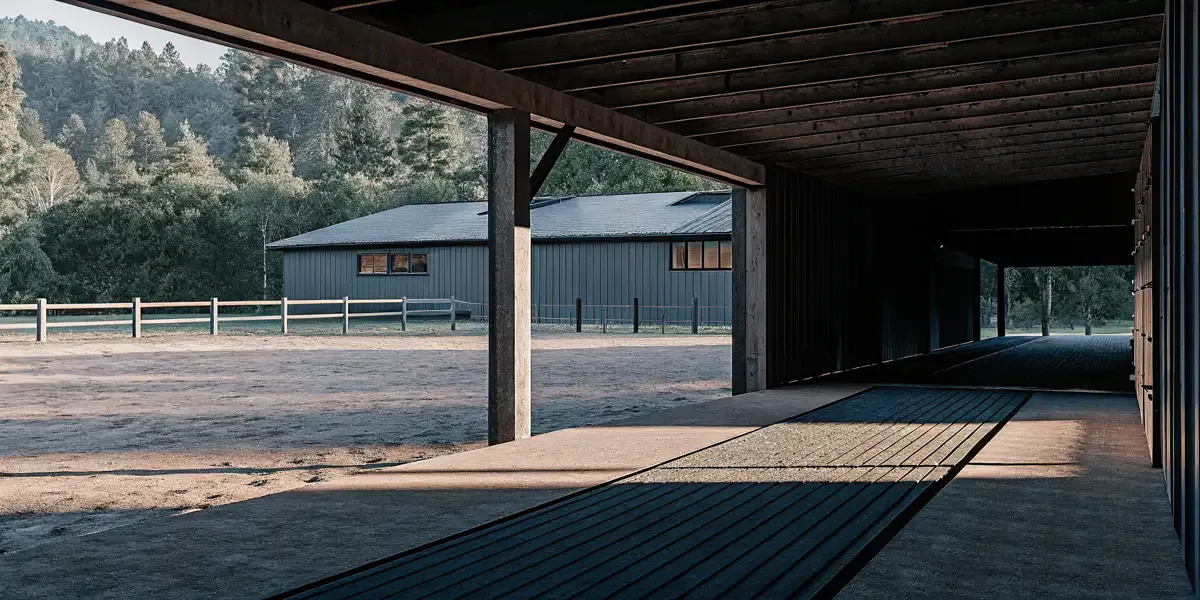
Horse owners in the Pacific Northwest need structures that keep animals safe and dry. An agricultural pole building is the best choice for these needs. These buildings use large wood posts for support. This allows for wide spans without many interior walls. This open design works well for stables, tack rooms, and large riding spaces.
Flexible stall and stable design
A well-planned horse barn starts with the stalls. Most owners choose 12 by 12 foot stalls to give horses room to move. You can add matted floors and wash racks to make daily care easier. Post-frame design makes it easy to add wide aisles. This helps with moving animals and tools through the barn safely. You can also plan for feed and tack storage in the same shell to keep items close.
Safety is the top goal when you build for animals. It is best to avoid rough surfaces that could harm a horse. Using smooth finishes helps keep the space clean. You should also think about the air. Good airflow keeps the barn fresh and prevents health issues. Placing doors at each end of the aisle creates a natural draft. This keeps the air moving and helps control dust and moisture.
Riding arenas and weather protection
Covered and indoor arenas are a must for riders in Oregon and Washington. These structures can reach a post frame building span of up to 100 feet without center posts. This clear span gives riders a safe, open space for training all year. You can pick the footing that works best for your style of riding. Adding mirrors or viewing areas can also help you track your progress.
Regional weather plays a big role in your design. In the Northwest, you must plan for heavy snow and rain. Roof pitch is key for shedding snow. Roofs with a pitch of 3/12 or less do not shed snow well. This can be a risk for the roof. A steeper roof helps snow slide off and keeps the frame safe. You can find more tips on roof safety from the University of Minnesota. They share data on snow loads for farm buildings.
Planning your equestrian space
Before you start, think about how the barn will sit on your land. You want to place it where water will drain away from the stalls. This keeps the footing dry and protects the wood posts. If you want to build it yourself, you can use a DIY pole barn kit to save on costs. For a more complex project, you may want a full design-build service. Use a 3D designer to see your ideas before you build.
How roof styles shape pole building function
Roof style affects usable interior volume, drainage, exterior appearance, and how easily a pole building can support features such as lofts or covered extensions. The best choice depends on the building’s purpose and site conditions.
When you plan a new shop or barn, the roof is the first thing people see. But pole building types are defined by more than just looks. The roof shape you pick affects how much gear you can store and what you will pay for the project. It also dictates how the building stands up to heavy rain and wind.
Most owners in Oregon and Washington choose from a few time-tested pole building types. These shapes help manage the wet weather while giving you the open space you need. Choosing the right design early makes the rest of the planning process much easier.
Common roof designs for post-frame buildings
The gable roof is a top pick for many pole buildings. It has two sloped sides that meet at a high point in the center. This design is simple and stays at a low cost for most builders. It works well for garages, home shops, and basic storage sheds.
If you need more light and air, the monitor roof is a great choice. It has a raised middle part that often includes windows. This works well for horse barns or large shops that need extra venting. Gambrel roofs have two slopes on each side and look like a classic farm barn. This shape creates a large loft for hay or tools.
For a quick and easy add-on, a lean-to roof uses a single slope. It is a smart way to get extra cover without building a whole new structure. Many people use them to store wood or park small gear outside the main shop.
Check common roof styles
Picking a roof depends on what you plan to do inside. A shop for cars needs a different shape than a barn for cows. Use this table to see how the most common styles stack up for your project.
| Style | Best fit | Planning note |
|---|---|---|
| Gable | Garages and shops | Simple, practical roof form |
| Monitor | Horse barns and large shops | Raised center can add light and airflow |
| Gambrel | Barns with storage lofts | Two slopes create useful upper space |
| Lean-to | Covered equipment storage | Extends shelter beside the main building |
How weather affects your choice
In the Pacific Northwest, your roof must handle a lot of water. In post frame building plans, the roof trusses rest on thick wood posts. This structure must be strong to keep your gear safe during storms.
According to research, these posts are often spaced 8 to 12 feet apart. This wide spacing means the roof must be very sturdy. A steeper roof slope helps rain and snow slide off fast. This is key for buildings in the mountains or wet valleys.
If you live in a snowy area, you may need a stronger design. You can use a 3D designer tool like the IdeaRoom to test these shapes. It lets you see how your building will look before you start to build. This helps you balance style with the needs of your local weather.
How do you choose the right pole building type?
Choose a pole building type by defining its primary use, required clearances, site constraints, weather exposure, service path, and likely future changes. A design that reflects those factors is easier to price and refine.
Picking between pole building types starts with your land and goals. Think about how you will use the space daily. A horse barn needs tall doors and good air flow. A garage needs room for cars and tools. Plan now to avoid costly errors later. It makes sure your new shop fits your life for a long time.
Think about your building goals
Pick a main use for your structure. Most pole buildings fall into four groups: farm, home, business, and horse barns. Each group has its own needs for size and floor plans. A shop might need a thick slab for heavy tools, while a hay barn might just need a roof and open sides to stay dry.
Think about the future too. Many people need more space just a few years after they build. It is cheaper to add a few feet now than to add on later. Measure your gear to pick the right door size. Clear spans can go up to 100 feet for large shops or riding arenas.
Plan for your site and weather
Your land and local weather help you pick the right design. In our area, you must think about rain and snow. Your roof pitch is vital for shedding snow. Flatter roofs with a pitch of 3/12 or less do not let snow slide off well. Check the standards for snow loads in your area to stay safe. Using the right pitch protects your gear and your family.
Check your local rules before you start. Some areas have strict codes for how close you can build to a road or neighbor. A good site needs to stay dry so your posts do not rot. Most new builds use vertical wood posts as the main support. These posts give you an open inside and keep the building level for a long time.
Pick your service path
Decide how the building will be built. Choose a full-service build or a kit. Locke Buildings offers full building work from Centralia, WA, to Salem, OR. This path is best if you want experts to handle permits, site prep, and labor. If you live outside this area or like to build yourself, a kit is a great choice. We ship DIY pole barn kits to any site in OR or WA.
- Define your primary use. Decide if the building is for work, storage, or living. This sets your needs for heat, water, and power.
- List your size and flow needs. Write down every big item you will store. Measure your largest gear to pick the right door size.
- Check local codes and land. Talk to your county office about permits and rules. Make sure your site is flat and has good drainage.
- Choose your roof and style. Pick a roof pitch that fits your local snow and rain levels. Select colors that match your home.
- Pick your service path. Decide if you want a full build or a kit. Think about your skills, tools, and free time.
- Use 3D design software. Visual tools help you see the final look. Use a 3D pole barn designer to test sizes and features online.
Once you have a plan, get a price. Using a 3D tool lets you see how changes shift the cost. Swap metal for wood or add windows with a click to find the best value. A well-planned building adds value to your land and makes work easier. Start with must-have features and then add the extras that make the space yours.
Frequently Asked Questions
What is the most cost-effective type of pole building?
Agricultural shells are often the most affordable option. These basic designs use simple metal siding and roofing over a post-frame structure. They do not usually need heavy insulation or complex floor plans. According to Locke Buildings, the cost for an agricultural shell usually ranges from $25 to $45 per square foot. This price is for the main building and does not include site work or interior finishes.
Are there size limits for different pole building types?
Post-frame construction is very flexible and can fit almost any size. You can build a small garden shed or a massive industrial warehouse. The design allows for large open rooms because it does not need internal walls for support. Most builders can create structures with a clear span of up to 100 feet. This makes them a top choice for commercial shops and large horse arenas. You can also connect multiple units to create a very large complex for your business.
Can I buy a pole building kit for any building type?
Yes, most designs are available as DIY kits or full-service projects. A kit includes all the materials you need to build the shell of your structure. This includes the posts, trusses, metal siding, and roof panels. According to Locke Buildings, kits are a good way to save money if you have the tools and skills to build. However, kit prices do not include the cost of concrete, labor, or site preparation. You should check local codes before you start.
Which pole building type is best for heavy snow areas?
Buildings with a steep roof pitch are best for snowy regions like the Cascade Mountains. A steep slope helps snow slide off before it gets too heavy. Residential pole buildings must meet strict safety rules to handle these loads. For example, some homes in the north are built to hold 42 pounds per square foot of snow. According to the University of Minnesota, flatter roofs are much more likely to have problems during a heavy storm.
What foundation is used for most pole building types?
Most modern pole buildings use a concrete perimeter foundation or concrete piers. These bases provide a strong and level surface for the vertical posts. Historically, some builders placed wood posts directly into the ground, but concrete is now more common for long-term strength. Using a slab floor is also a popular choice for workshops and garages. This keeps the interior dry and provides a smooth surface for moving tools or cars. It is the best choice for a high-quality finished building.
Ready to design your pole building and request a quote?
A clear concept makes it easier to discuss your site, intended use, layout, and service path with a building specialist. Locke Buildings can support full-service construction in its primary build area and deliver DIY building kits throughout Oregon and Washington.
Ready to design your pole building and request a quote? Use the 3D Building Designer to create your concept and share it with Locke Buildings.