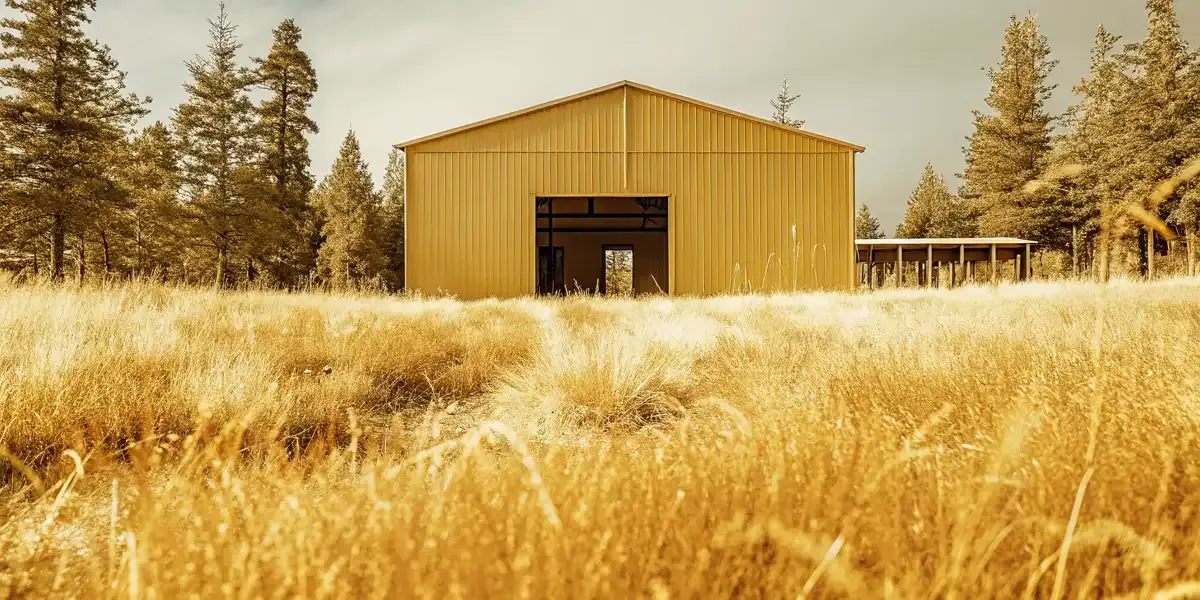
Post-frame construction provides a durable solution for property owners in Oregon and Washington. This engineered system uses wooden columns for support instead of standard walls. It is a top choice for barns and workshops across the Pacific Northwest.
Post-frame construction uses widely spaced wood columns to carry roof and wall loads, creating strong buildings with flexible, open interiors. For Oregon and Washington owners, it is a practical system for barns, shops, garages, arenas. Homes, and commercial spaces when engineered for the site’s wind, snow, soil, and moisture conditions.
Finding the right answer to What is post-frame construction? is the first step toward planning a successful project. We will look at the engineering behind this system to show why it remains a top choice for local owners. The path begins with
What is post-frame construction?
Post-frame construction is an engineered building method in which widely spaced wood columns carry structural loads. Trusses, girts, purlins, and exterior panels connect the frame, allowing broad clear spans with few interior support walls. The system suits many agricultural, residential, commercial, and recreational uses.
Post-frame construction is an engineered wood-frame building system. It uses large wooden posts or columns as the main support. These posts are set deep into the ground or onto a concrete slab. This method differs from normal framing, which relies on many smaller walls. Because the posts carry the weight, you can have wide, open spaces inside without needing extra walls. It is a fast and strong way to build. This method is used for everything from simple sheds to large homes.
The structural skeleton
The frame of a post-frame building has a few key parts. The posts are the primary columns that stand upright. Large wooden trusses sit on top of these posts to hold up the roof. To connect the posts side to side, builders use pieces of wood called girts. On the roof, they use similar boards called purlins to bridge the gap between trusses. These girts and purlins provide a solid base for the outer shell. Finally, the outer skin of the building is called cladding. This is mostly made of steel or wood panels. For long-term use, any posts in the ground should be pressure-treated to stop rot.
How the load path works
Every building must manage forces like wind, snow, and gravity. In post-frame construction structural basics, the weight of the roof travels through the trusses and down into the large posts. These posts then transfer that weight directly into the ground. For side forces like high winds, the building relies on something called diaphragm action. The roof and the shear walls resist these side loads to keep the structure stiff. This simple path makes the building very strong yet easy to build quickly. This design allows for more freedom when you plan your layout.
Not just for barns
Many people use the term “pole barn” to describe any post-frame building. While a barn is one use for this system, post-frame construction is a much broader group. It is a smart choice for many types of structures because it uses fewer parts and less labor than other methods. You will see this style used for modern homes, busy shops, and large riding arenas. When designing a post-frame building, you have the freedom to create a custom layout. Since the inside walls do not have to hold up the roof, you can move them freely. You can also leave them out to create large, open rooms.
Because the system is efficient, it often results in a faster build time and lower costs. It is a great way for property owners who want a durable structure that can serve many needs. Whether you need a farm shed, a home, or a shop, this system delivers value and strength. It combines modern planning with normal wood framing. The result is a versatile building that can meet the needs of farmers, homeowners, and business owners alike. This building style continues to grow in use because it is both tough and flexible.
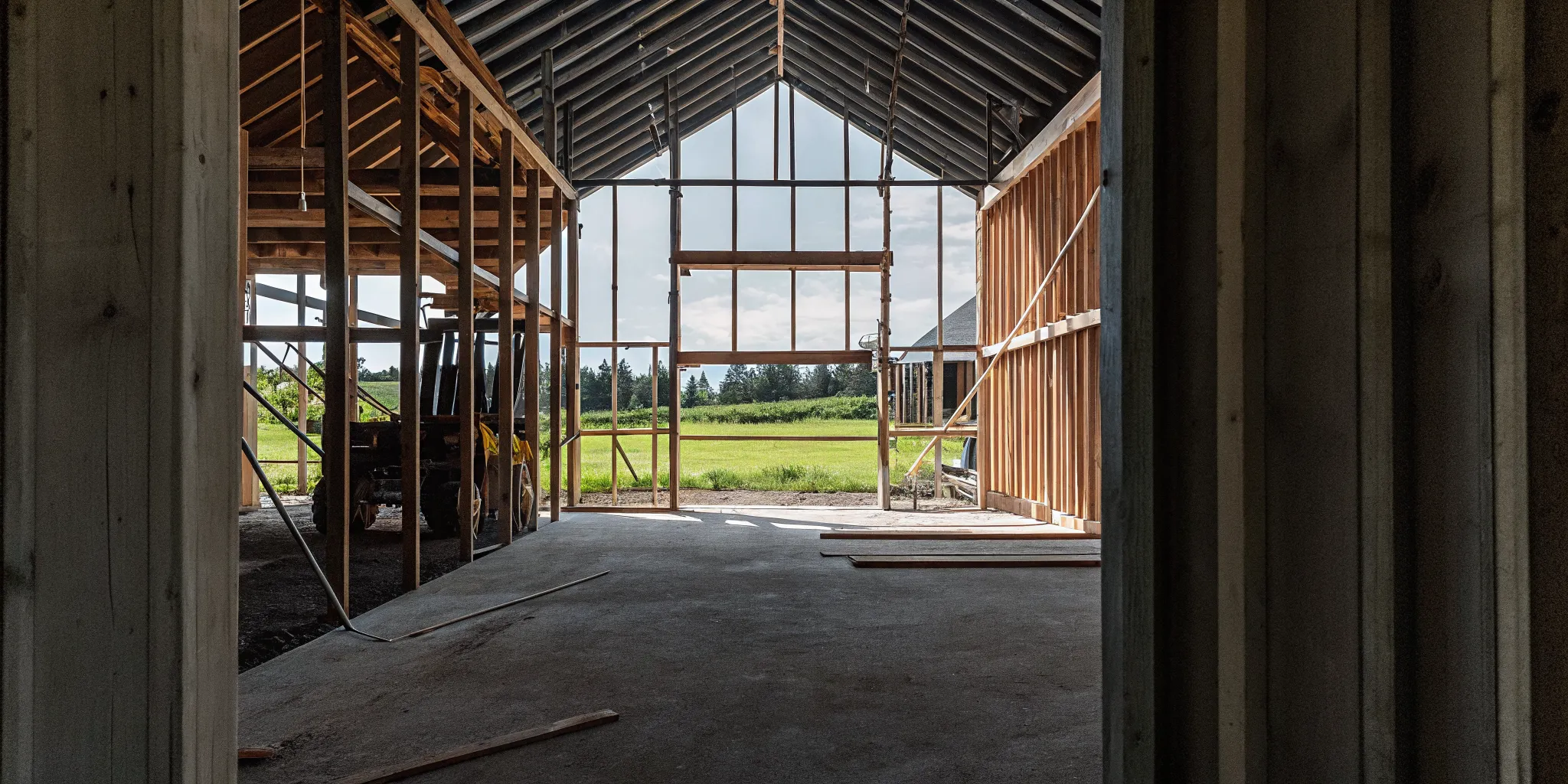
How a post-frame building goes from idea to finished structure
A post-frame building moves from site assessment and engineered design through permits, site preparation, post setting, framing, roofing, siding, and interior work. Early decisions about use, access, drainage, and utilities shape the entire project, so careful planning before construction prevents expensive changes later.
A post-frame project moves from needs assessment and 3D design through engineering, permitting, site preparation, framing, enclosure, and interior finishing. Early decisions about use, access, drainage, doors, utilities, and local loads help the finished building perform well and reduce costly changes during construction.
The building process for this style is fast and easy to change. It starts with your idea and moves through a few clear stages. This way of building is a great path to get a big, open space without the high cost of old styles. Many people choose it for shops, barns, and even homes. By using modern tools, you can see your plan before the work even starts.
The first design and permit phase
First, you need to turn your idea into a real plan. You can use a designing a post-frame building tool to see your project in 3D. This helps you pick the right size, color, and doors for your needs. Once the design looks right, experts check the plans. They make sure the building will stand up to local snow and wind loads. This stage is vital for getting the right permits from your local office.
In Oregon and Washington, each county has its own rules. A team with local knowledge can help you get through this step. They know what the local building codes need for a safe structure. This saves you time and keeps the project on track. After the permits are set, you are ready to prep the ground for the crew.
- Design and Planning: Use a 3D tool to map out your building and pick your features. Experts then review these plans to meet local safety codes and weather needs.
- Permit Approval: Submit your plans to the local building office to get the needed permits. This step makes sure your project follows all state laws and safety rules.
- Site Setup: Clear the land and level the ground where the building will sit. Proper drainage is also key to keeping the site dry and the building stable.
- Setting the Posts: Dig deep holes and place pressure-treated wood columns into the ground. These posts must meet UC4B standards for long life and strength.
- Building the Frame: Connect the posts with horizontal beams called girts and trusses for the roof. This creates the skeleton of your new post-frame building.
- Adding the Skin: Attach metal or wood panels to the walls and roof. This step seals the building from rain and wind and gives it a finished look.
- Inside Finishing: Pour the concrete floor and add any walls, power, or water lines you need. This is when the empty shell becomes a usable space for your work or hobby.
Site setup and main framing
Before the first post goes in, the site must be ready. You need a level spot with good drainage. This prevents water from pooling around the base of your building. A clear site also makes it easier for crews and trucks to move. Once the ground is ready, the crew marks the spots for the main posts. This ensures the building is square and true from the start.
The framing phase happens quickly. Unlike stick-built walls, this method uses large posts to hold the weight. These posts are the core of post-frame construction and provide great strength. Girts and purlins link the posts and trusses together. This creates a tough frame that can handle heavy loads for many years.
Finishing the outside and inside
The last steps turn the frame into a real building. Steel sheets are often used for the roof and walls. These sheets add stiffness to the whole structure through a process called diaphragm action. This helps the building resist wind and side loads. Once the shell is closed, the building is safe from the weather and ready for use.
The inside is where the building truly fits your needs. You can leave it open for a barn or shop. You can also add walls and heat for a home or office. Many owners choose to pour a concrete floor at this time. This gives you a smooth, clean surface for your tools or cars. It makes the space feel complete and ready for your projects.
Where post-frame buildings work especially well
Post-frame construction works especially well for garages, workshops, agricultural storage, equestrian facilities, commercial buildings, and barndominiums. Its widely spaced structural posts create flexible clear-span interiors, while exterior finishes and insulation packages can be tailored to the building’s use and Pacific Northwest climate.
Post-frame buildings work especially well where owners need large, adaptable interiors and efficient construction. Common applications include agricultural storage, equestrian arenas, garages, workshops, commercial spaces, and barndominiums. Wide clear spans and flexible door placement make the system useful for equipment, vehicles, animals, businesses, and changing needs.
Post-frame construction is a top choice for many types of buildings because it is strong and simple. This method uses large wooden posts for support rather than many small wall studs. This design lets you have big open spaces without needing extra inside walls. Many people find that designing a post-frame building is easier when they want a floor plan that can change over time. It is a smart way to get the most out of your land and your budget.
Farming and horse buildings
Post-frame methods are a classic choice for farms and horse owners. The wide spans are perfect for hay storage, cattle barns, and indoor riding arenas. You can keep large animals safe and dry while having enough room for tractors and tools. Because the posts are spaced far apart, you can add large doors easily for big machines. This makes it simple to move gear in and out without hitting walls.
Experts from the Montana DEQ state that post-frame systems are the main choice for barns and storage sheds. They handle heavy snow and high winds in the Pacific Northwest well. Farmers and ranchers like that these buildings go up fast. You can get your structure built in weeks rather than months. This helps you get back to your daily work with less stress and wait time.
Shops, garages, and business spaces
Many people need a place for their hobbies or a base for their work. Post-frame shops and garages work well because they give you a clear space for car lifts or wood shops. You can choose different wall heights to fit tall boats or large RVs. These buildings also cost less to build than many other types. They need fewer materials and less labor, which keeps more money in your pocket.
For business owners, post-frame is a smart move for retail shops or small warehouses. You can customize the outside to look like any other modern building. You can use wood, metal, or stone to match the look you want. This lets your business stand out while you save money on the main frame. The inside stays open, so you can change the layout as your company grows or your needs change.
Homes and living spaces
More people are using post-frame for their homes now. These are often called barndominiums or pole-barn homes. They are energy efficient because they have fewer spots where heat can leak out. The deep wall spots allow for thick insulation. This helps keep your home warm in the winter and cool in the summer. You can have a big, open living room without any poles in the way of your view.
The flexible design of post-frame means you can add on to your house later. If your family grows or you need a new home office, it is simple to expand the frame. You can work with a pro to plan for this growth from the very start. The frame can also handle many types of siding and roofing. This makes it a great long-term choice for anyone looking to build a custom home in Oregon or Washington.
Post-frame vs. stick-frame and steel buildings
Post-frame, stick-frame, and steel buildings solve different problems. Post-frame often provides the best balance of open interior space, design flexibility, and efficient construction for rural properties. The right choice depends on intended use, site conditions, local codes, finish expectations, and total project budget.
Post-frame combines widely spaced wood columns, flexible clear spans, and lighter foundation options. Stick-frame uses closely spaced studs and typically suits detailed residential layouts. Steel can span the widest spaces but may require more specialized installation and insulation. The right choice depends on use, site, budget, and finish requirements.
When you plan a new shop, barn, or home, you must pick a building style. The three most common types are post-frame, stick-frame, and steel buildings. Each system has its own traits that change your costs and project goals. Knowing how benefits of post-frame construction compare to other ways will help you make a good choice for your land.
Structure and clear spans
Post-frame construction uses large wood posts as the main support. These posts go deep into the ground or onto concrete piers. This system does not need load-bearing walls inside the building. Because of this, it allows for wide, open spaces. You can have large clear spans that make it easy to store big gear or set up a large shop. This method is an engineered wood-frame system that uses columns for support rather than standard walls. These wood columns are often pressure-treated to keep them strong for a long time.
The roof system in a post-frame building also works with the walls to keep the structure stiff. It uses roof diaphragms and shear walls to stay strong against wind and snow. This means the building can handle lateral loads without shifting. Stick-frame buildings use many small wood studs. These studs are often 16 or 24 inches apart. This style works well for homes but needs more walls inside to hold the weight of the roof. Pre-engineered steel buildings use heavy metal frames. They can span very wide distances without any poles inside. But, steel can cost more for small jobs. It also takes more skill and tools to put together than wood framing.
Foundation and site prep
The foundation is where these styles differ the most. Stick-frame and steel buildings usually need a full concrete slab or a wall. This means you must dig deep and pour a lot of concrete before you even start the walls. This adds time and cost to your build. If your land is not flat, you may have to do more work to get it ready for a slab foundation. This can be a big task on some plots of land.
Post-frame is different because the posts give the support. You can build on many sites with less prep work. The post-frame construction structural basics allow you to use a pier foundation or a simple slab. This often makes it faster to get started. It also works well if you want a dirt floor for a barn or an arena. This is very helpful for many people who build in the Northwest.
Insulation and energy use
Heat and air flow are other big things to think about. Post-frame buildings have posts spaced far apart, often 8 feet or more. This leaves big gaps for thick insulation. There are fewer wood studs to let heat escape. This low thermal bridging makes it easy to keep your building warm in the winter and cool in the summer. It is a very good way to build a home or a heated shop.
Stick-frame homes have studs every few inches. Each stud acts as a path for heat to move through the wall. You can still insulate them well, but it takes more work to get the same results. Steel buildings can be hard to keep warm because metal moves heat very fast. You must use special layers to stop moisture and keep the heat in. If you want a space that is easy to heat, post-frame is a strong choice for you.
| Feature | Post-frame | Stick-frame | Steel |
|---|---|---|---|
| Primary Support | Wood posts | Wood studs | Steel frames |
| Clear Span | Very high | Low to medium | Highest |
| Foundation | Piers or slab | Full slab or wall | Full slab or wall |
| Build Speed | Fast | Medium | Medium |
| Insulation Ease | High | Medium | Low to medium |
Each style has its place. Stick-frame is great for complex house plans. Steel is best for massive warehouses. Post-frame is the top pick for shops, barns, and simple homes because it is fast and costs less. By looking at your needs for span, site prep, and heat, you can find the best fit for your next project. This helps you build a space that lasts for years to come.
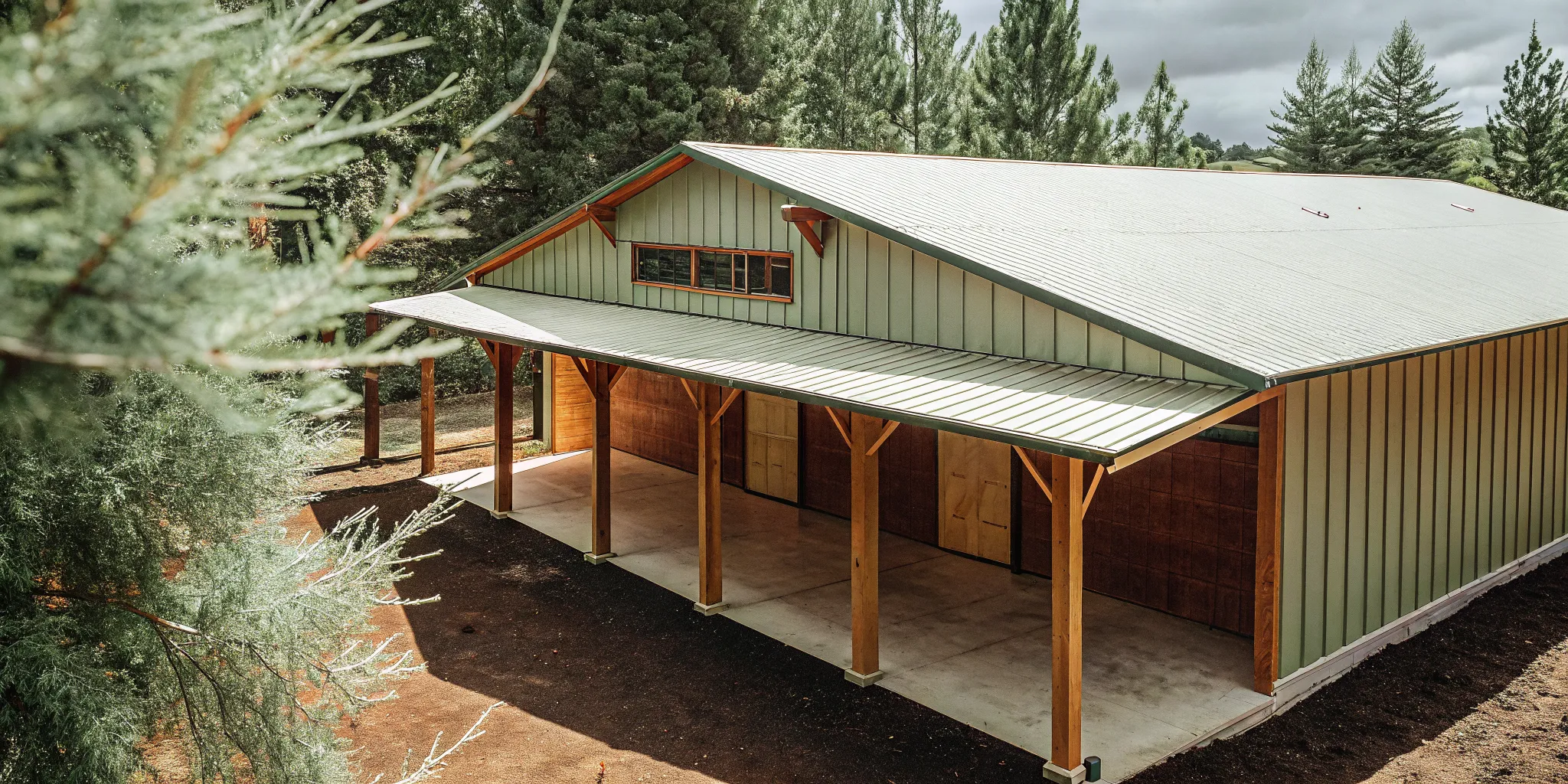
What changes when you build in Oregon or Washington?
Building in Oregon or Washington requires site-specific planning for permits, snow loads, wind exposure, seismic design, drainage, and wet-season construction. Requirements vary by county and property, so owners should confirm local rules and use engineered plans that reflect the exact building location and intended use.
Oregon and Washington projects must account for highly local moisture, soil, snow, wind, seismic, and permitting conditions. Good drainage, proper ventilation, treated ground-contact columns, and site-specific engineering protect the building. A regional builder can help align the design with the jurisdiction’s requirements and the property’s conditions.
Building in the Northwest brings new tasks. Our region has many types of weather and land. From the rainy coast to the snowy hills, your site tells you your plan. Locke Buildings has helped people in Oregon and Washington since 1981. We know that a shop in Salem needs a different touch than one in Centralia. When you use post-frame construction, you gain a system that fits these local needs.
Handling Moisture and Soils
Water is a big factor in the Northwest. Frequent rain can turn a building site into a swamp if you are not careful. You must plan for good drainage before you start. This means looking at the slope of your land. You want water to move away from your structure, not toward it. If water pools near your posts, it can cause the soil to soften or shift over time.
Soil types also vary across Oregon and Washington. Some areas have heavy clay that holds water. Others have sandy soil that drains fast. Knowing your soil helps you choose the right base. For strength in wet earth, wood quality is vital. Experts suggest using pressure-treated columns for ground contact. This wood resists rot and pests, which is a must in our damp air.
Our cool and damp air also creates a risk for moisture inside. When warm air hits a cold metal roof, water forms. This is called condensation, and it can drip on your floor. To stop this, you need a plan for air flow and insulation. Proper vents let moist air out before it causes trouble. This protects your steel from rust and your wood from mold. Insulation also helps keep your shop warm in the winter and cool in the summer.
Snow Loads and Wind Strength
Wind and snow are serious risks here. Coastal towns face salt spray and high gusts. Mountain towns deal with feet of heavy, wet snow. Your building must be designed for your exact spot. There is no such thing as one plan for all sites. Local rules set the bar for how much weight a roof must hold. This keeps your family and your gear safe during a big storm.
Strength is what keeps a building standing in a gale. In these wood frame systems, the skin and the frame work as one unit. Studies from Washington State University show that roof diaphragms help resist these forces. The metal sheets on the roof and walls give the needed shear strength. This design is why post-frame is a top choice for big open spaces like barns. When you learn more about post-frame construction, you see how these parts work as a team.
Local Permits and Rules
Permit needs are a key part of the planning process. Oregon and Washington have their own sets of rules. Your local county office will have maps showing setbacks. These are the gaps you must keep from property lines or roads. You should also check for any rules on the height or size of your shop. Getting this info early saves you time and money and helps avoid shocks.
Setbacks are not just about rules; they are about safety. They ensure fire trucks can reach your building if they need to. They also keep your neighbors happy by not blocking their views. Every site is unique, so do not guess on these values. Talking to a local expert can help you find the right path for your specific lot. Whether you buy a kit or want full service, knowing the local law is the first step. Using our 3D tool can help you see your project before any work begins.
What determines the cost of post-frame construction?
Post-frame construction cost depends on building dimensions, engineering requirements, site preparation, concrete, doors, windows, insulation, utilities, finishes, and whether you choose a materials kit or turnkey service. A project-specific quote is more useful than a generic square-foot estimate because every property and design differs.
Post-frame construction cost depends on building dimensions, site access and preparation, local engineering loads, materials, doors, insulation, utilities, interior finishes, and the delivery model. Kit prices cover material packages, not site preparation, concrete, labor, or installation. A project-specific estimate is the reliable planning tool.
Post-frame construction is a smart choice for many building projects. This method uses large wood posts as the main support for the frame. This style is open and can work for a shop, a barn, or even a home. Costs will shift based on your site, the size of the build, and the parts you pick. Knowing what drives these costs helps you plan a budget that works for your goals.
Project size and site needs
The size of your build is the main factor for the final price. A large barn or a wide shop needs more wood, steel, and concrete. The wall height also plays a big role in the budget. Taller posts and bigger roof trusses add to the total cost. A roof with many peaks or complex angles will also cost more than a simple gabled roof.
Site work is a key part of your budget that you should plan for early. You must clear, grade, and level the ground before the build starts. Some lots may need extra work to drain water away from the site. You should check post-frame construction structural basics to see how to plan your base. Local permit fees and engineering rules also vary based on where you live in Oregon or Washington.
Design costs can vary depending on the details of the plans. Each building must be strong enough to handle local wind and snow loads. According to state building standards, the lateral loads in these buildings are resisted by roof diaphragms and shear walls. Often, these use wavy steel sheets to add stiffness to the frame. Making sure your plans meet local codes is a key step in the cost of post-frame construction projects.
Materials and building options
The parts you choose for your building will change the final bill. More windows and custom doors will add cost quickly. Many owners use steel siding because it is tough and lasts a long time. If you want a warm and dry space, you must add insulation and interior liners. Post-frame construction can save money on heating and cooling because it has less thermal bridging than stick-frame builds.
The quality of the wood used for the posts is also important for the price. Posts that go into the ground should be pressure-treated to high standards. This helps them resist rot and pests for a long time. Using the right materials keeps your shop or barn strong for decades. Picking high-grade steel for the roof and walls also makes sure the building can stand up to the wet weather in the Pacific Northwest.
Interior finishes can greatly increase the total project cost. If you plan to use the space for a shop or office, you might want to add drywall, lighting, and plumbing. These choices depend on how you will use the building. A simple cold storage barn will cost much less than a fully finished hobby shop or a barndominium with living quarters. Each extra feature adds to the labor and material needs.
Turnkey service versus kits
You can buy a building kit or pay for a full turnkey build. A kit gives you all the wood, steel, trim, and hardware in one package. Review Locke Buildings’ pole building options when comparing a materials kit with a full-service project. Keep in mind that kit prices only cover the material parts. They do not include the cost of labor, concrete, or site prep work.
A turnkey build means a pro crew does all the work for you. They handle the design, the permit process, and every step of the build. This path costs more but saves you a lot of time and effort. It is often the best choice for complex projects or for owners who do not have building skills. At Locke Buildings, we have helped people in the Northwest since 1981. We can help you pick the right building and service level for your needs.
Should you choose turnkey construction or a DIY kit?
Choose turnkey construction when you want one experienced team to coordinate the build. Choose a DIY kit when you have the equipment, skills, time, and local help to manage construction. Locke Buildings provides full construction service from Centralia to Salem and delivers kits throughout Oregon and Washington.
Choose turnkey construction when you want an experienced team to manage the build. Or choose a DIY kit when you have the time, skills, equipment, and labor to construct it yourself. Contractor supply is a middle path. Compare total scope, location, schedule, and responsibilities before deciding.
Deciding how to build your structure is just as important as the design itself. At Locke Buildings, we offer options to fit your skill level and budget. You can choose full-service turnkey construction, a DIY kit, or a contractor supply package. Each path has its own pros and cons based on your schedule and tools.
The turnkey construction path
Turnkey construction is the most hands-off choice for property owners. Our team handles the project from the ground up. This service is best for those who want a pro to manage every detail. We offer full-service construction in a specific region. This area runs from Centralia, Washington down to Salem, Oregon. Choosing this path lets an experienced team handle the details. Learn more about Locke Buildings and its regional experience.
When you go turnkey, you do not have to worry about finding workers or renting tools. We take care of the site prep, concrete, and building assembly. This method is often faster because our crews have the right gear and experience. It is a great fit for busy owners or complex commercial builds that need strict oversight.
Building with a DIY kit
If you have the right skills, a DIY kit is a smart way to save on labor costs. We deliver high-quality materials to your site anywhere in Oregon or Washington. These kits are a popular choice for shops, garages, and small barns. You get the same custom-engineered parts we use in our own builds, but you do the work yourself.
Before you start, make sure you have the right equipment. You will likely need a tractor or skid steer to set large posts. You also need to know how to read building plans and handle local permits. To get started on your plan, try designing a post-frame building using our 3D tools. Keep in mind that kit prices do not include site prep, concrete, or the labor to put it all together.
Choosing the right fit for you
The best choice depends on your time and comfort with tools. If you enjoy manual work and have a few weeks to spare, a kit might be your best bet. It allows you to build at your own pace while keeping more money in your pocket. But if you want the peace of mind that comes with a pro build, turnkey is the way to go.
Regardless of your choice, post-frame construction is a highly efficient way to build. This method uses large wooden posts as the main support instead of load-bearing walls. This setup allows for large open spaces and saves on material costs. Whether you build it or we do, you get a strong, versatile building that lasts for decades.
How do you protect a post-frame building over time?
Protect a post-frame building with routine inspections, prompt leak repairs, clear gutters, good drainage, intact siding and roofing, pest control, and careful moisture management. A brief annual check helps owners catch small concerns before they affect structural components, stored property, or interior finishes.
Protect a post-frame building by directing water away from the site, keeping gutters and drainage paths clear. Inspecting roof and wall panels, maintaining sealants and fasteners, and watching for pests or moisture. Regular checks reveal small issues early and help preserve the frame, cladding, and interior.
Upkeep for post-frame construction structural basics is easy but needed. You want your building to last for many years. Set checks help you find small issues before they become big ones. A good plan keeps your shop, barn, or garage in top shape. While these buildings are strong, they still need some care to stay in peak form.
Control water and drainage
Water is the biggest threat to any home or shed. You must keep dampness away from your wood posts and metal siding. Good gutters and downspouts are your first line of shield. They move rain away from the base of the building. This helps stop rot and soil shifts near the main supports. If rain hits the ground and splashes up, it can wear down the paint on your metal walls over time.
The ground around your building should slope away from the walls. This is called grading. If water pools near the posts, it can cause wood decay or rust on the base trim. Check your drainage after a big storm to see where the water goes. Fix any low spots right away to keep the site dry. Keeping the area around your building clear of weeds also helps the soil dry out faster after a storm.
Check the roof and siding
The outside of your building takes a lot of stress from the wind and sun. You should walk around your building twice a year to look for wear. Look for loose trim or dents in the metal panels. Tighten any screws that have backed out over time. This keeps the shell tight and stops leaks from starting. A small leak can lead to big costs if you do not catch it early.
Roof leaks can cause rot in the wood trusses or framing. Use a lens or look from a ladder to check the roof. Look for signs of rust or damage near the ridge cap and vents. A well-built post-frame construction project uses strong parts, but the sun can still wear down rubber seals. If you see a seal that is cracked, swap it out for a new one to keep the inside dry.
Watch for pests and moisture
Pests like mice or bugs can cause real harm to wood and wires. Look for signs of nests or wood damage near the base of the posts. Most modern posts are treated to high standards to stop bugs. But you should still keep wood piles and tall grass away from the walls. This removes hiding spots for pests that might try to get inside. Keeping the base of the building clean also makes it easier to spot new issues.
Damp air can also be a risk inside a closed shop or barn. Good air flow helps keep the space dry. Check your vents to make sure they are clear of dust or bird nests. If you see wet spots on the walls, you may need more fans or vents to move the air. Keeping the air moving is the best way to stop mold and keep your tools from rusting.
If you want to add on to your building, talk to a pro first. Do not cut into the main posts or trusses without a good plan. Changes to the shell can change how the building handles heavy wind or snow. A pro can help you make sure your new space stays safe and strong for the long haul.
How to plan your post-frame building
Plan a post-frame building by defining its use, measuring needed clearances, assessing the site, confirming local requirements, choosing kit or turnkey service, and developing a realistic total budget. Locke Buildings’ 3D designer helps owners test dimensions, doors, colors, and features before requesting a quote.
Plan a post-frame building by defining its present and future use, assessing access and drainage, checking local permit and engineering requirements, and setting a complete budget. Then use a 3D designer to test dimensions, doors, colors, and features before requesting a project-specific quote.
Planning is the key part of any new shop or barn. A good plan helps you avoid mistakes that cost time and money later. When you start your project, think about how you will use the space today and ten years from now. This focus on future needs ensures your post-frame construction meets your goals for a long time. It also helps you pick the right size and style for your land.
Define the building’s use
Start by making a list of what you need to store or do in the space. Will you use it as a garage for cars or a large workshop for tools? Many people find that their needs grow over time. It is often cheaper to build a larger space now than to add onto it later. Consider how much height you need for vehicle or tool clearance. If you have a large tractor or an RV, you will need tall doors and enough room to move inside.
Door placement is also key for a useful layout. You should place doors where they make the most sense for how you move in and out. Think about where your work benches or storage racks will go before you set the wall layout. Standard post-frame construction allows for large open floor plans because it does not need many interior load-bearing walls. This freedom makes it easy to change your layout as your hobbies or business needs change. You can leave the interior as one big room or add walls for an office or shop area.
Assess the building site
Your land will dictate much of your building’s design. You must look at site access for large trucks during the build process. If a semi-truck cannot reach the site, it may be hard to get your materials sent. You also need to think about power and water. It is much easier to run these lines before the concrete floor is poured. Good drainage is another vital step to keep your building dry and safe from water damage. You should plan for a slope that moves water away from the base.
Local rules and permits are also a big part of the planning stage. Each area in Oregon and Washington has different codes for snow loads and wind speeds. Working with a team that knows these local needs can help you get through the permit process faster. They can guide you on where you can build and what permits you need. For more help with these early steps, use the 3D pole barn designer to test a building concept that fits your land and local rules. Proper site prep will save you from many headaches during the build.
Design and budget your project
Once you know what you want and where it will go, you can start the design phase. Planning for post-frame construction is often simpler than standard framing because the system uses fewer materials and less labor. This speed helps you get the most out of your budget. You should decide early on if you want a full-service build or a DIY kit. Keep in mind that kit prices usually do not include the cost of site prep, concrete, or labor. Knowing your budget scope early helps you make better choices on finishes and features.
The best way to see your ideas come to life is to use a 3D building tool. Locke Buildings offers a 3D designer that lets you change colors, doors, and sizes on your screen. You can test different looks until you find the perfect one for your land. You can also see how different insulation or interior finish choices look in the space. When you finish your design, you can submit it to get a custom quote. This step takes your plan from a simple idea to a real project with clear costs and a set timeline.
Frequently Asked Questions
What are the pros and cons of post-frame construction?
Post-frame construction is an engineered wood-frame system that uses large posts for support. A major benefit is better energy efficiency due to less heat loss in the walls. These buildings are often faster to build and cost less than common stick-frame structures. However, they need treated columns to prevent rot. According to Montana DEQ, this method allows for large open spaces and easy designs while using fewer materials.
How is a post-frame building constructed?
The build process starts with a grid layout of posts set deep into the ground. These wooden columns act as the main support, replacing the need for load-bearing walls. Builders use treated wood for columns to make sure the structure lasts a long time. Roof panels and shear walls help the building stand against wind. According to Washington State University, using corrugated steel sheets helps give more strength to the whole frame.
Is post-frame construction a good choice for a garage?
Yes, post-frame construction is a great choice for garages and workshops. This method is very flexible and allows for wide open spaces because it does not need inner support walls. This makes it easy to store large cars or tools. It is also faster to build than common framing, which can save on work costs. Many owners choose this style for its strength and easy design. You can even use tools to see the plan before work starts.
Can post-frame construction be used for barndominiums?
Post-frame methods are a popular way to build homes and barndominiums. The system offers high energy efficiency and an easy building process. Because the posts support the roof, the inside can have a very open floor plan with high ceilings. This design flexibility is great for custom home layouts. Many people in the Pacific Northwest use this method for its strength and speed. It provides a solid frame that can handle local weather while offering a unique, modern look.
Ready to design your building online and request a quote?
Request a project-specific pole building estimate when you are ready to discuss your site, intended use, and service options.
Waiting to start your build can lead to higher price tags and long wait times as our project list for the year fills up very fast. In our area, starting your plan early is the best way to beat the winter weather and get your permits in order on time now. By taking action today, you make sure your shop or barn is ready when you need it and your costs are set before price hikes.
Ready to design your building online and request a quote? Use our 3D building designer to design your building online and request a quote with our expert team so you can get started on your dream building today.