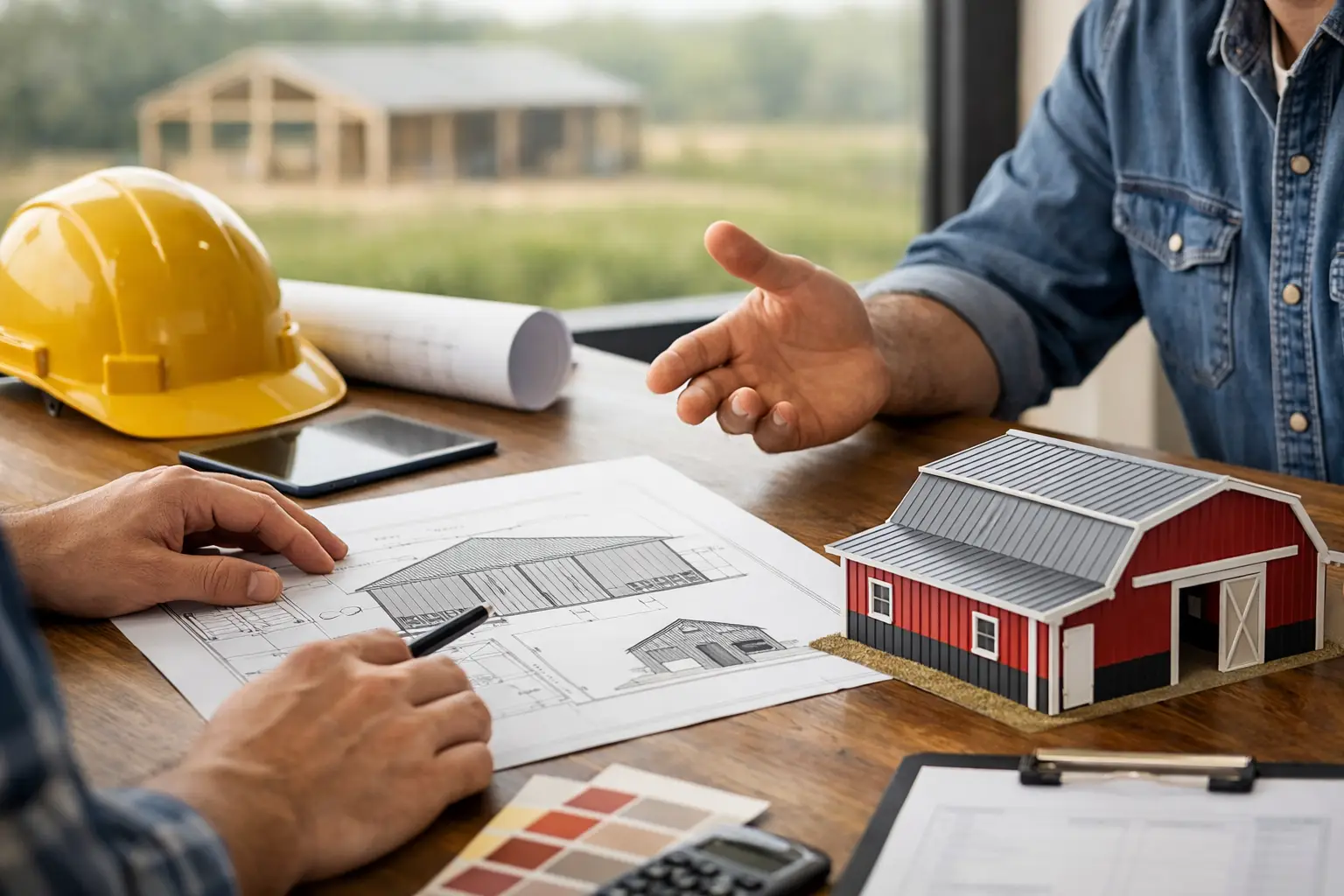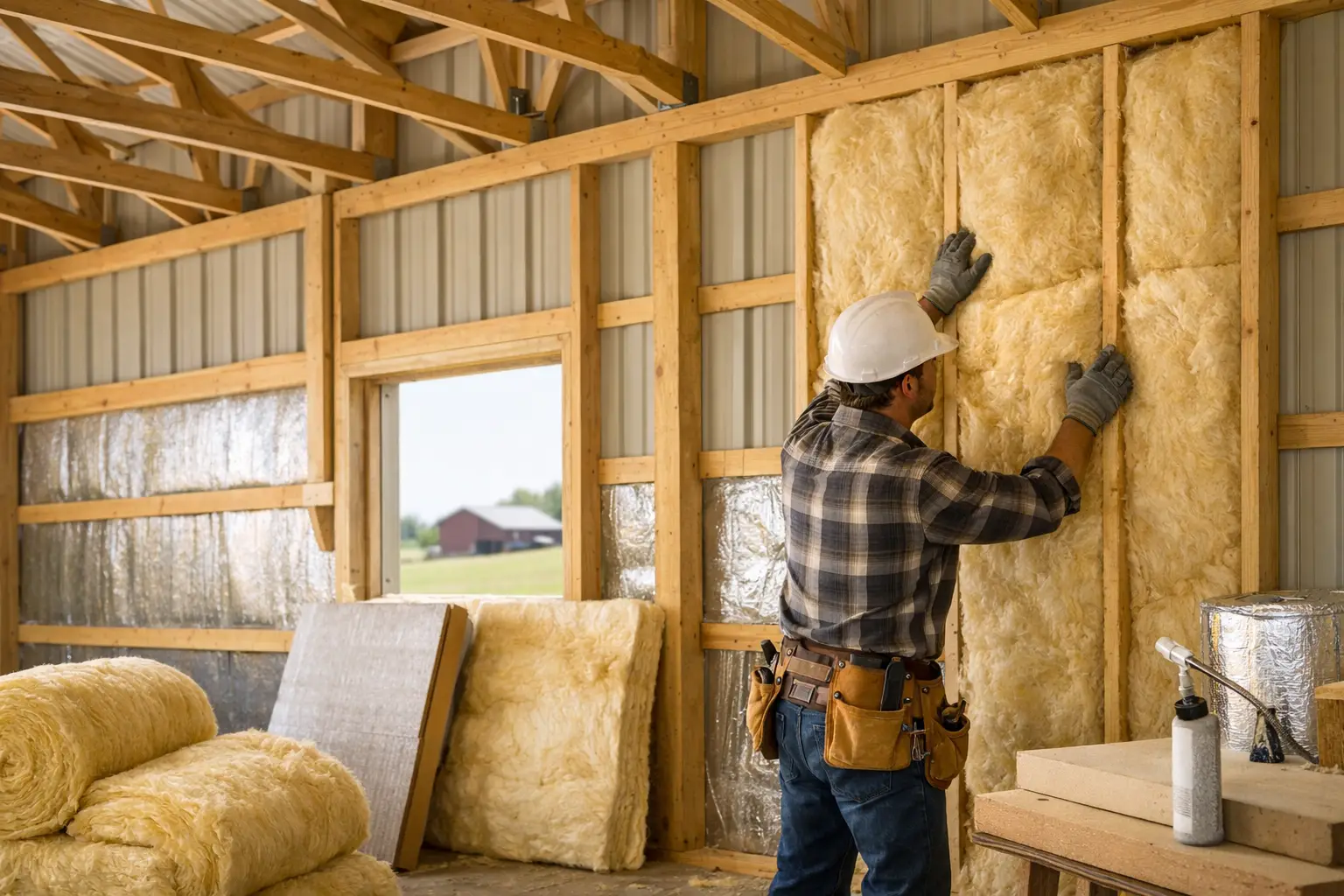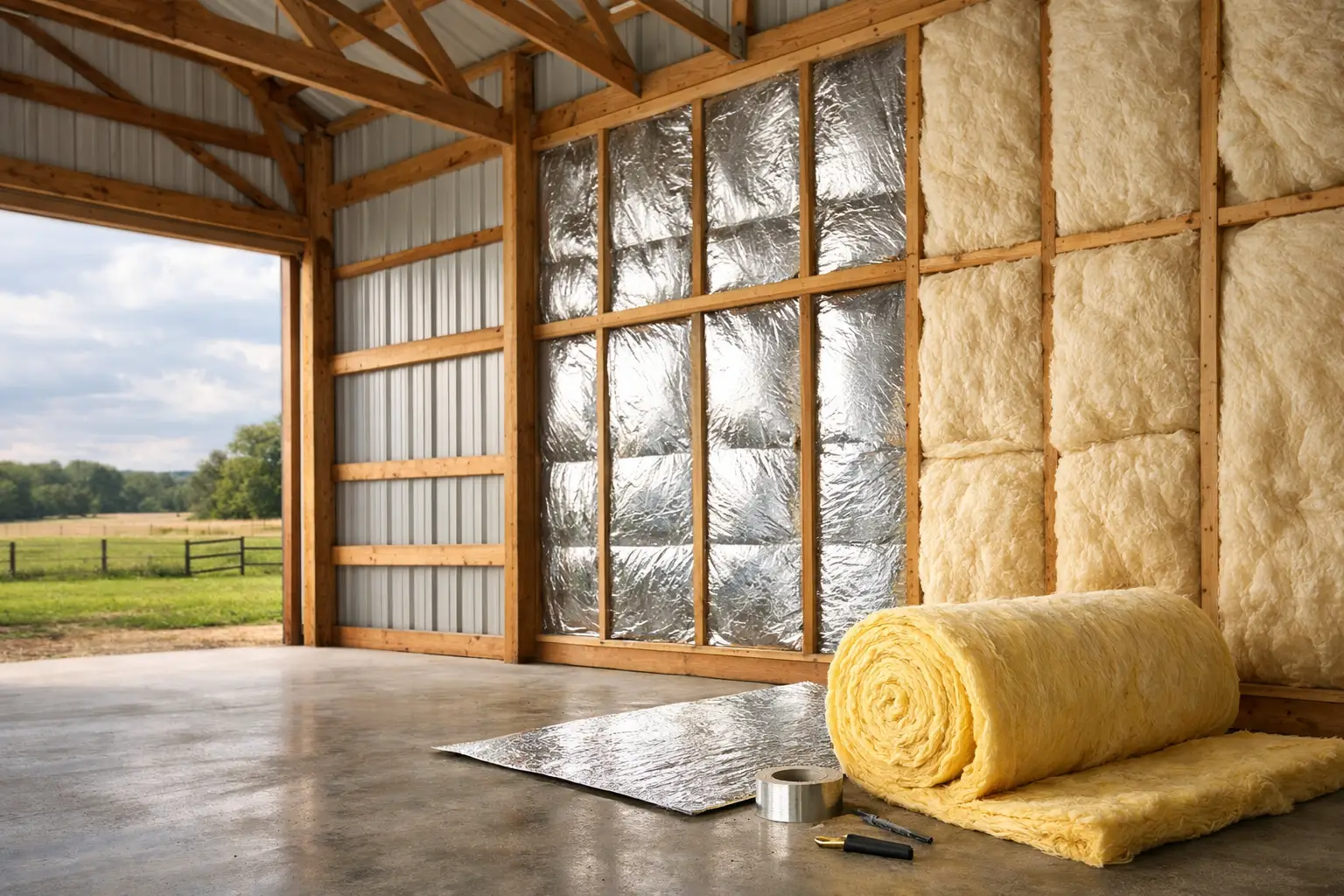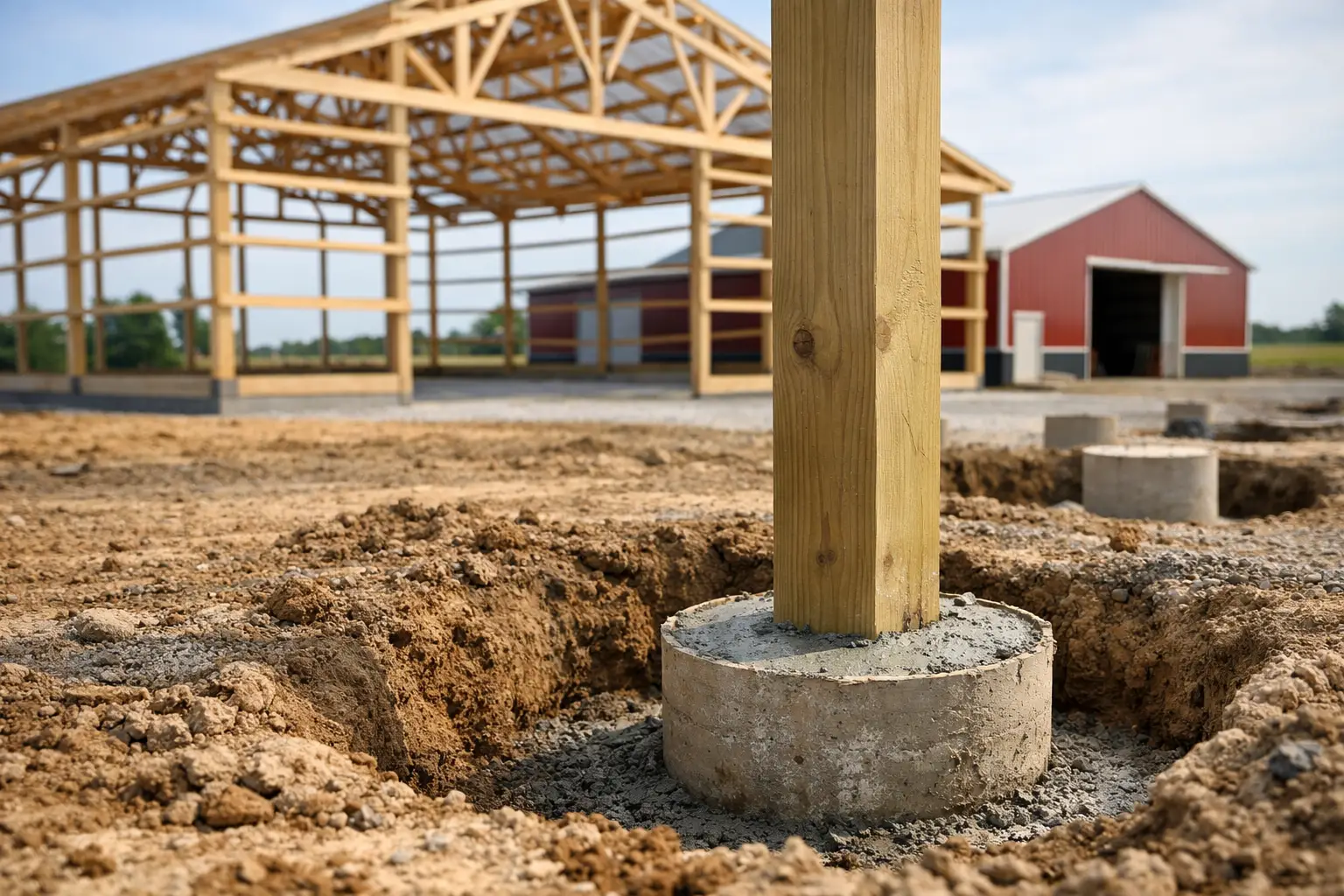
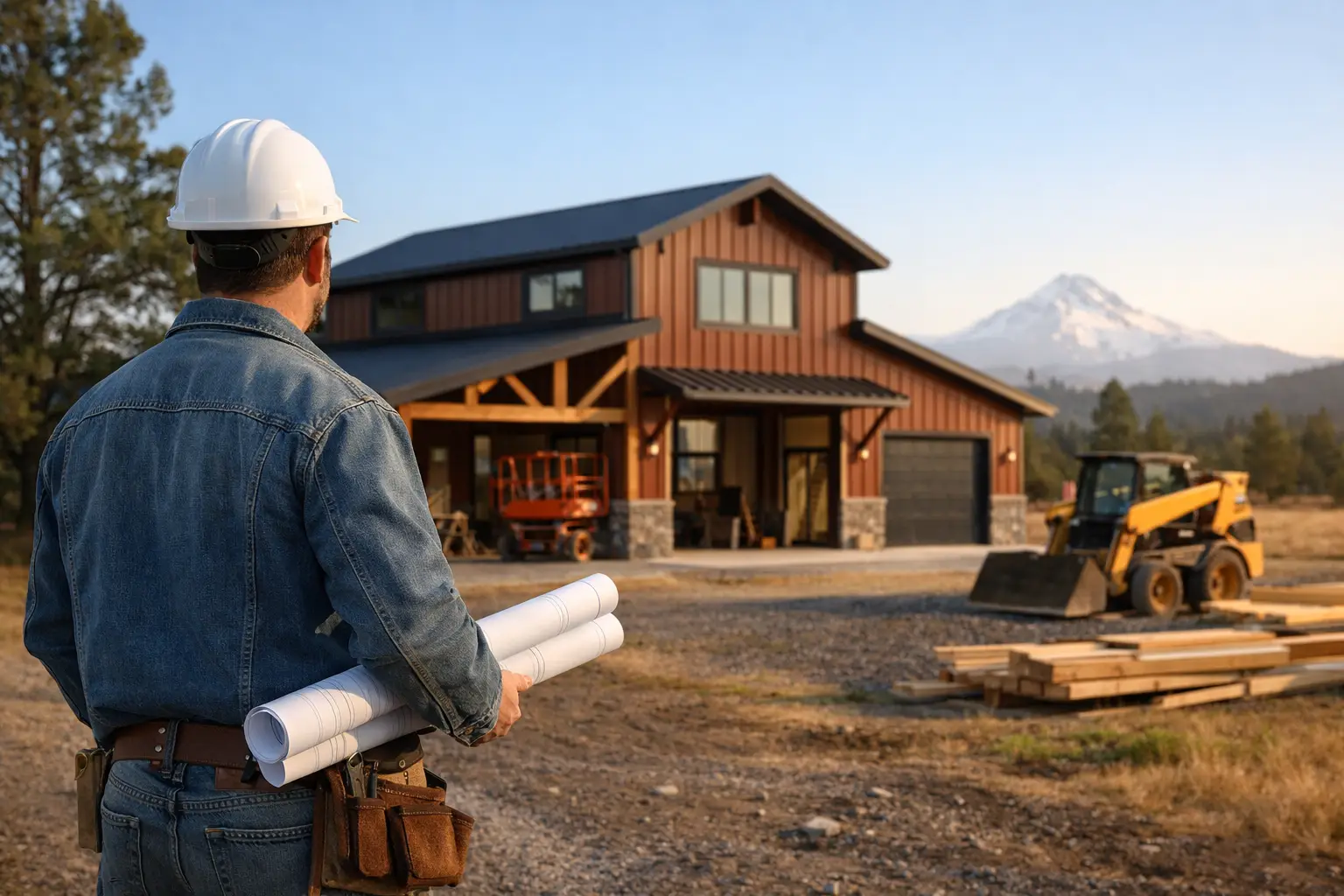
A barndominium builder Oregon property owners hire should do more than put up a shell. The right partner helps you make good decisions early – about site conditions, layout, insulation, permits, and whether you want a full build or a kit you can take the rest of the way yourself.
That matters in Oregon, where a barndominium has to work with real weather, real land, and real use. Some owners want a home with shop space. Others want a residence over storage, equipment parking, or livestock support space. The best projects start when the building is planned around how the property will actually function, not just how the exterior will look.
What a barndominium builder in Oregon should actually help with
A lot of buyers start with finishes and floor plans. Those are important, but they are not the first decision. A qualified barndominium builder in Oregon should first help define the structure itself – width, length, height, roof style, span, bay spacing, and how the living area will sit inside the overall post-frame building.
That is where many projects either stay on track or get expensive fast. If the footprint is undersized, the home may feel cramped and the shop becomes unusable. If it is oversized without a clear purpose, material and foundation costs climb quickly. If door locations are not thought through early, circulation around vehicles, trailers, or equipment becomes frustrating every day after move-in.
A seasoned builder should also ask how much of the project you want them to handle. Some owners want a turnkey path with design support, shell construction, and a clear scope. Others want a building package and plan to manage interior work with their own contractor or do part of the build themselves. That flexibility matters because not every Oregon buyer has the same budget, timeline, or skill set.
Why post-frame barndominiums make sense in Oregon
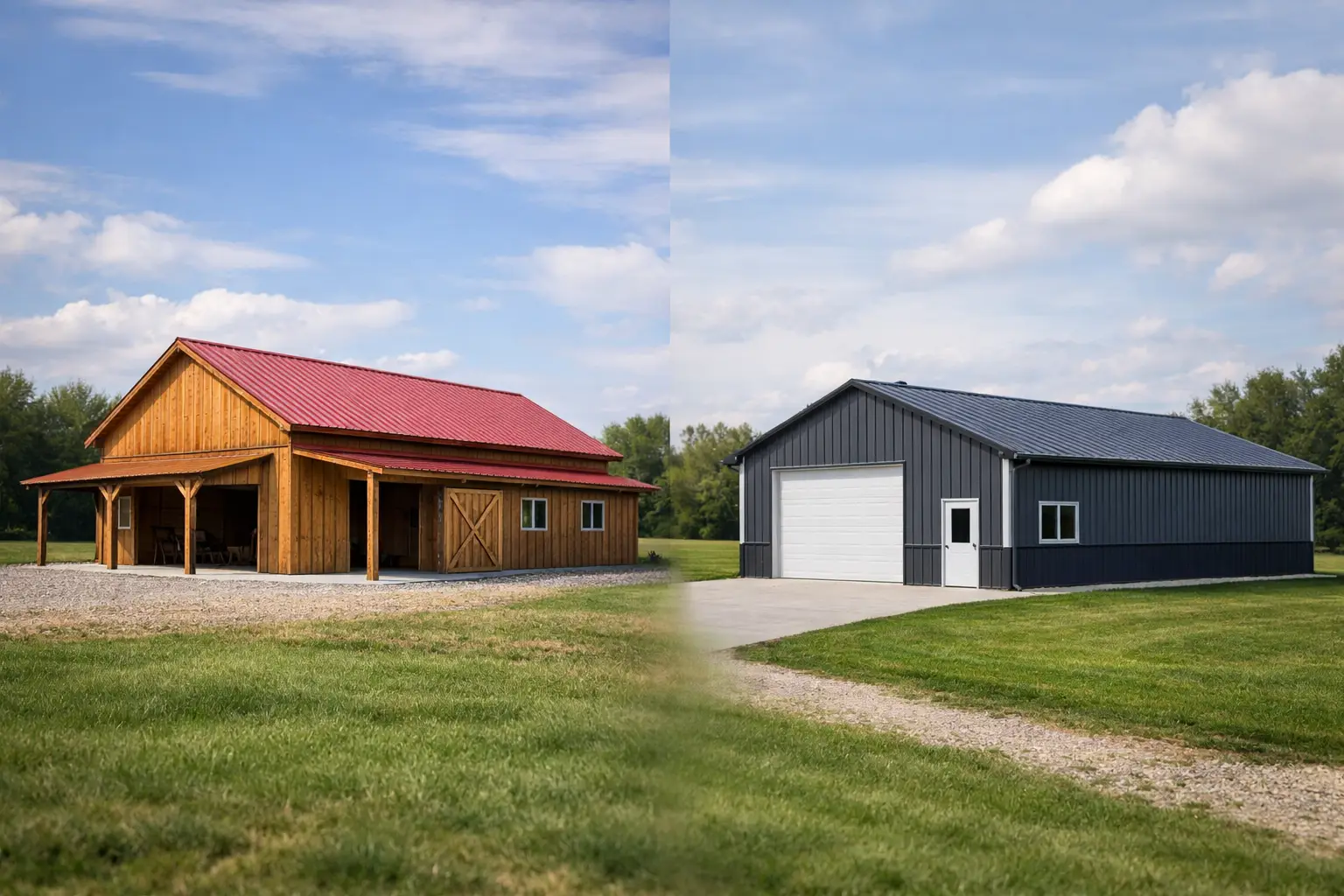
For many rural and semi-rural properties, post-frame construction is a practical fit. It works well for larger open spaces, gives you flexibility in door and window placement, and can be adapted for mixed-use buildings where living space and utility space share one structure.
That does not mean it is automatically the best answer for every site. Soil conditions, county requirements, snow load, wind exposure, and the amount of conditioned living space all affect the right design. But for buyers who want a home with integrated garage, shop, storage, animal support space, or hobby area, a post-frame approach often gives more usable square footage for the money than a conventional home build.
In Oregon, that can be especially valuable on working properties. A barndominium is often not just a residence. It may also need to support tractors, tack, feed, tools, RV storage, home business use, or seasonal equipment. A builder who understands those use cases will ask better questions than someone treating the project like a standard house.
The biggest questions to answer before you request a quote
Before you talk numbers, get clear on the building’s job. A quote becomes far more accurate when the builder knows how the structure will be used from day one.
Start with square footage, but do not stop there. Think about how much of the building will be finished living area and how much will stay as garage, shop, or storage. Consider ceiling heights in both sections. A homeowner may be comfortable with standard residential ceiling heights in the living area but still need tall overhead doors for a motorhome, horse trailer, or equipment bay.
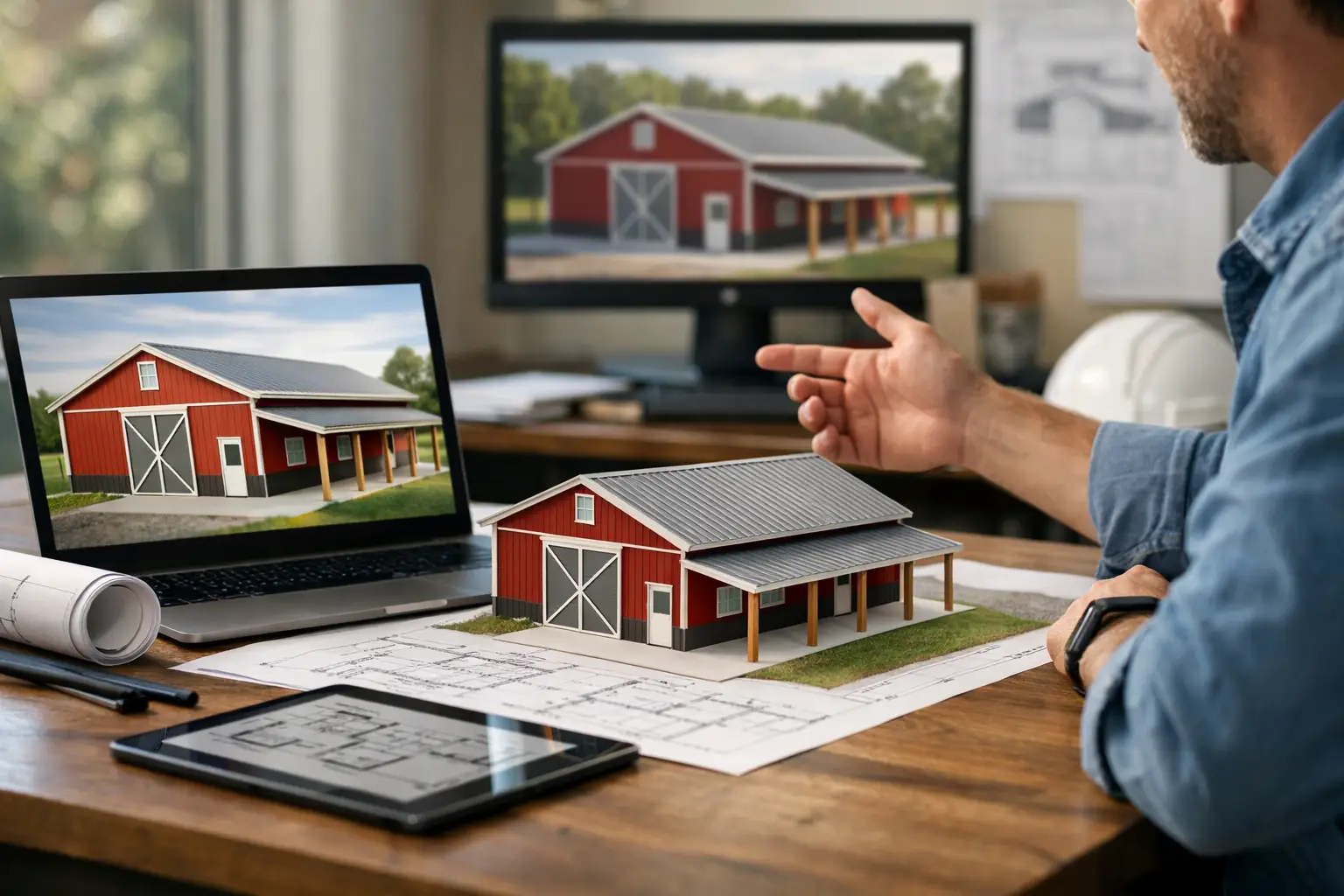
Roof style also changes both appearance and performance. Gable roofs are common and efficient. Monitor or raised center aisle designs may fit certain agricultural or equestrian properties better. Overhangs, porches, and lean-tos can improve function and curb appeal, but they need to be planned as part of the building rather than added as an afterthought.
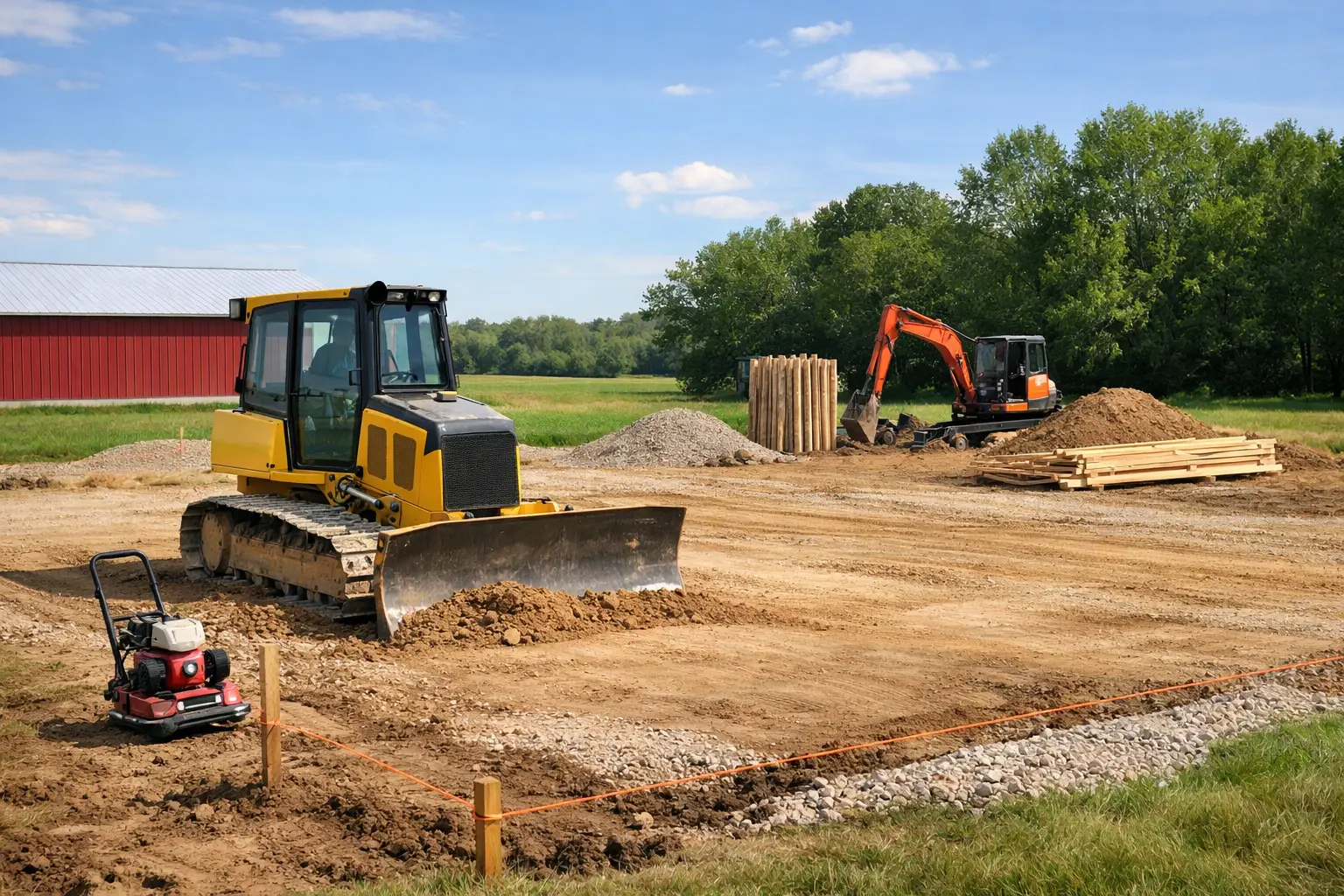
Then there is the site itself. Access for crews and materials, slope, drainage, and pad preparation all affect what the project will require before construction even starts. A good builder will not gloss over this. Site work is one of the most common reasons costs shift between an early idea and a final number.
How to compare a barndominium builder Oregon buyers are considering
If you are comparing companies, look beyond the sales pitch. The real difference is usually in how well they scope the project.
A strong barndominium builder Oregon customers can rely on should be able to talk clearly about structural design, customization, local conditions, and construction path. They should ask specific questions about dimensions, openings, insulation, interior use, and whether you want a supplied kit or a completed structure. If the conversation stays vague, the quote usually will too.
Experience in post-frame construction matters here. A builder focused on pole buildings and barndominiums will usually bring more practical insight than a generalist who occasionally takes on this type of project. Details like truss design, wall systems, condensation control, and integrating residential and utility spaces are not side issues. They shape how the building performs over time.
It also helps to work with a builder who serves your region consistently. Oregon is not one-size-fits-all. Conditions vary from western valleys to higher, drier areas and from sheltered sites to exposed rural ground. Regional familiarity improves planning and helps avoid designs that look fine on paper but do not fit the actual site.
Cost depends on more than size
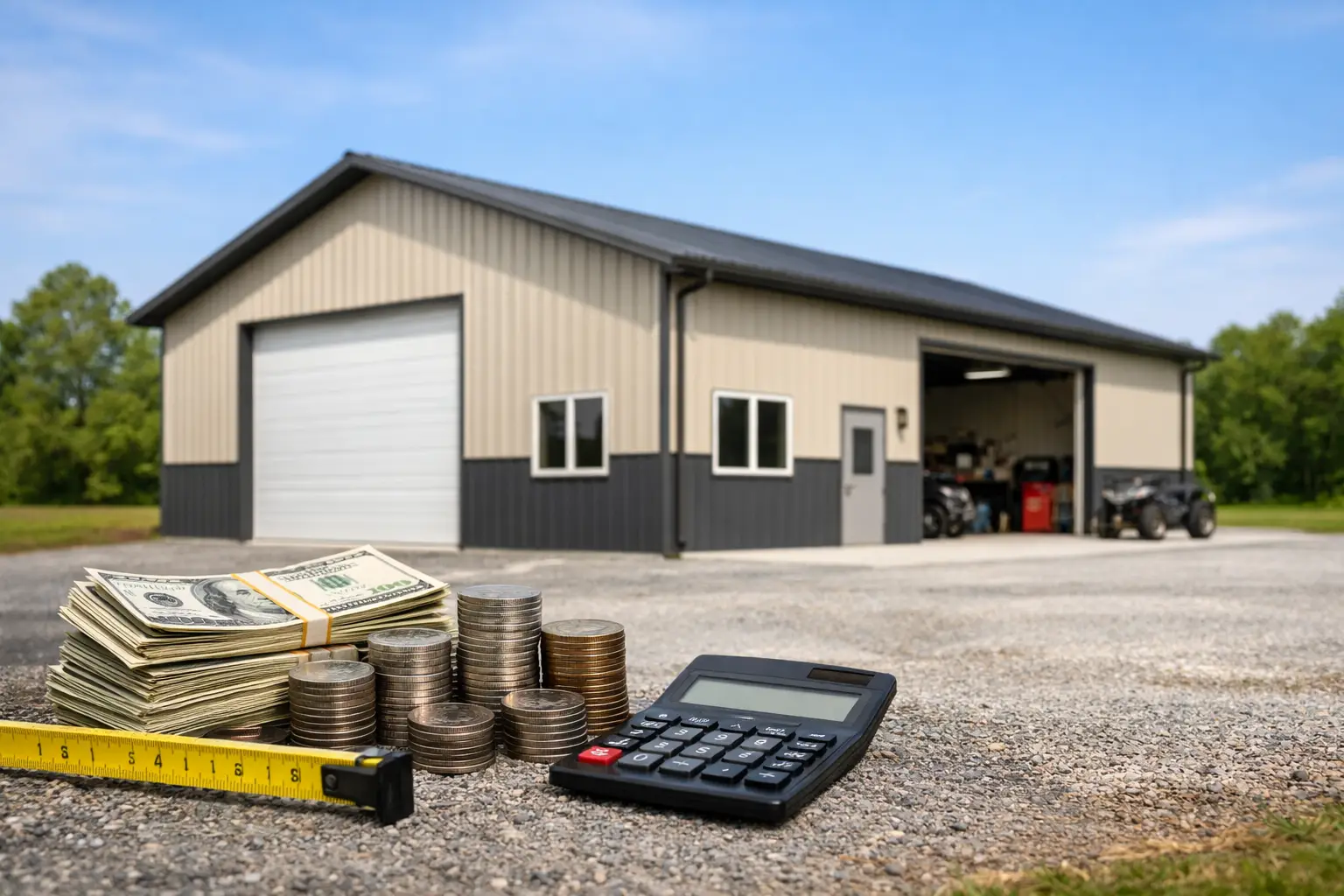
Buyers often ask for a price per square foot, hoping for a fast answer. That can be useful as a rough starting point, but it is not enough to budget a barndominium responsibly.
The total cost depends on how much of the building is finished living space, what level of insulation is needed, how many windows and doors are included, what roof system is selected, and how complex the site is. A simple shell with basic openings is one thing. A highly customized building with porches, multiple overhead doors, upgraded windows, interior partition planning, and a large conditioned residential area is something else entirely.
Construction responsibility changes cost too. If you hire a builder for the shell and complete the interior with your own trades, your budget will be structured differently than a more comprehensive build. Neither path is automatically better. It depends on your schedule, financing, local labor access, and how much project management you want to take on.
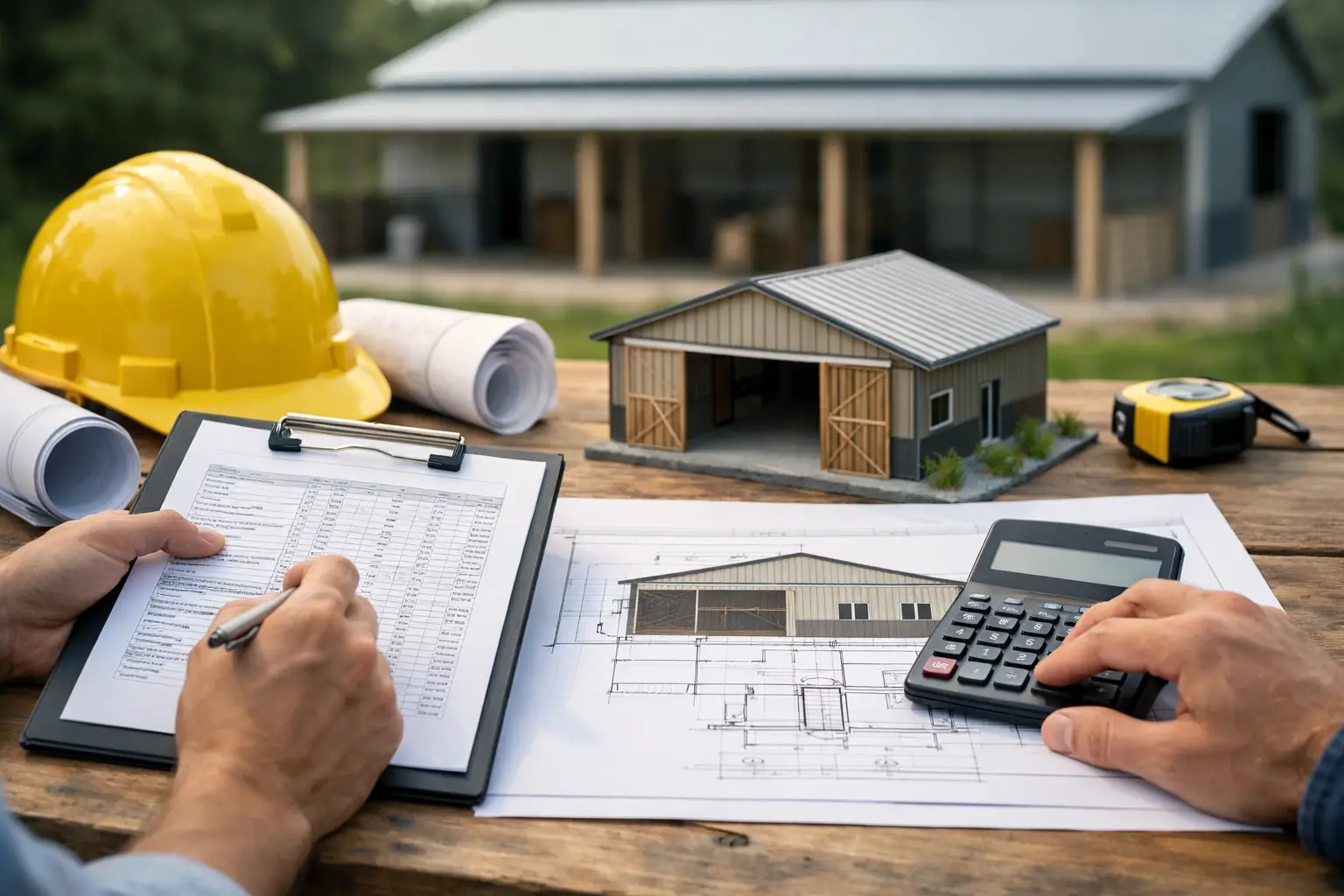
This is where practical quoting tools help. The more accurately you can define the structure up front – or upload plans if you already have them – the more useful the pricing conversation becomes. That is one reason specialized contractors such as Locke Buildings focus heavily on guided design and quoting rather than generic estimates.
Customization matters, but discipline matters more
One of the biggest advantages of a barndominium is flexibility. You can create a straightforward home with attached shop space or a much more tailored structure built around a specific lifestyle. That freedom is useful, but it can also lead to scope creep.
It is easy to keep adding features because each one sounds reasonable on its own. A wider porch, more glass, taller walls, an extra bay, upgraded doors, more overhang, more finished area. None of those is wrong. The issue is whether each feature supports how you will actually use the building.
The best projects balance wants with function. If you need more equipment storage than living space, design around that. If you are building for retirement and want lower maintenance, simplify the footprint. If the building needs to support horses, hobbies, and a home office, make sure circulation and separation between spaces are solved early.
A dependable builder should help you narrow the plan, not just say yes to everything. Good guidance saves money and usually leads to a better building.
Full-service build or kit – which route fits better?
This is one of the most practical decisions in the process. Some Oregon buyers want one contractor handling the building from concept through construction. Others are comfortable taking a more active role.
A full-service route often fits buyers who want a clearer handoff, less coordination, and one experienced team guiding the shell and structure. A kit can make sense for owners who already have a trusted local contractor, have construction experience, or want more control over installation and interior sequencing.
The trade-off is straightforward. A kit can offer flexibility, but it also puts more responsibility on the owner to coordinate labor, timing, and execution. A full build reduces that burden, but it may not be the preferred path for every budget or project style. The right builder should be able to support either direction without forcing a one-size-fits-all model.
What a good first conversation looks like
You should come away with more clarity than you started with. Not just a broad estimate, but a better understanding of what size makes sense, what features are worth pricing now, what site issues need to be checked, and what your next step should be.
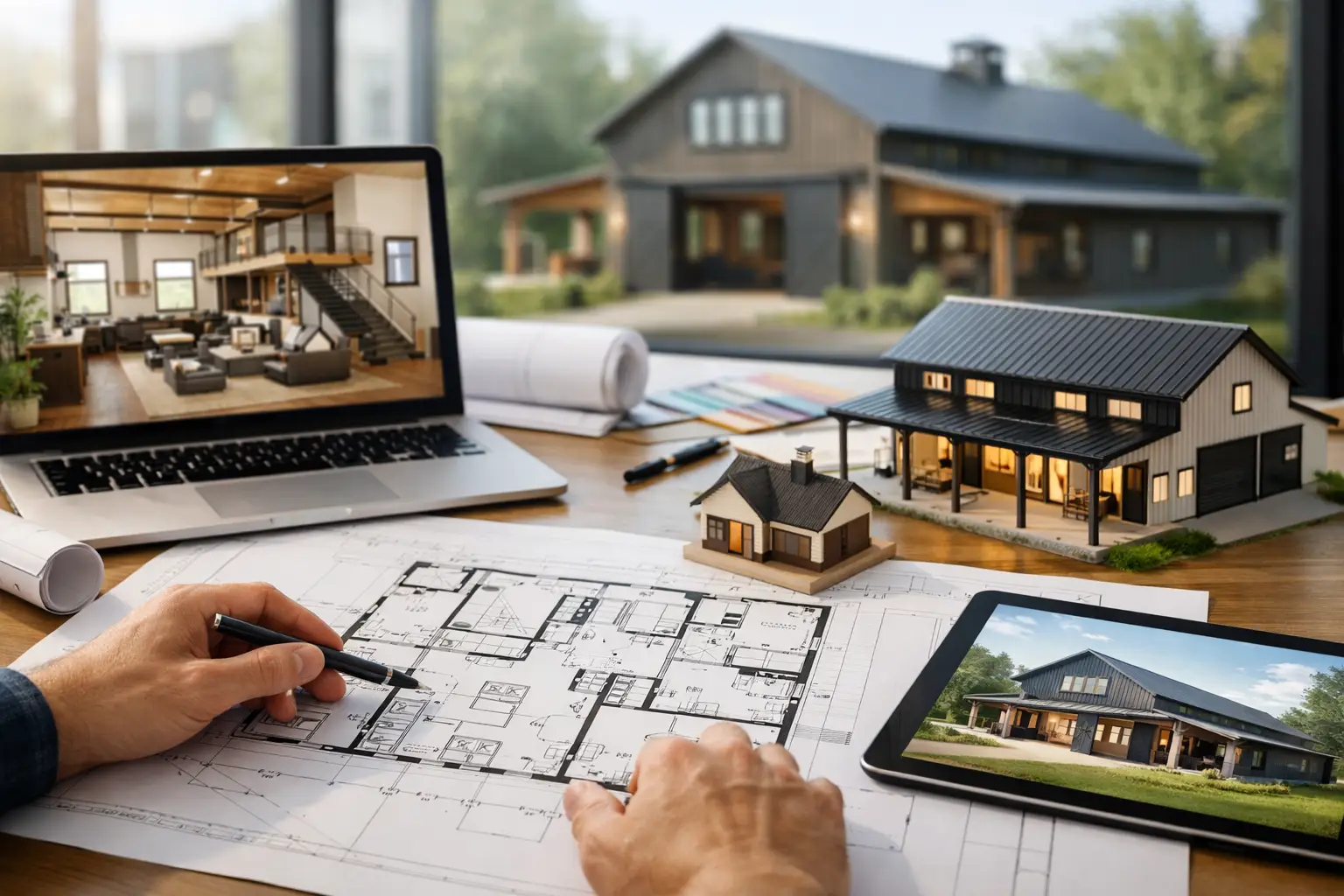
Bring whatever you have – sketches, plan ideas, target dimensions, photos of the property, or simply a clear description of use. If you are still early in planning, that is fine too. A good builder can help shape the project before plans are finalized.
The goal is not to force a perfect answer on day one. It is to define the building well enough that pricing, scheduling, and design decisions become real instead of speculative.
If you are looking for a barndominium builder in Oregon, choose one that understands post-frame construction, asks detailed questions, and can meet you where you are – whether that means a complete build or a well-designed kit. The right project starts with a builder who treats your building like a working solution, not just a floor plan.