.
Property owners across the Pacific Northwest are trading standard stick-built frames for faster and tougher options. These buildings handle heavy snow and high winds without costing a fortune.
The primary post frame building benefits include lower material costs, faster build times, and more design freedom compared to standard methods. Because these structures use widely spaced columns, owners gain massive open interiors that are perfect for workshops, arenas, or modern barndominiums. This engineering approach reduces the amount of wood needed, which lowers the first cost while maintaining high strength. According to experts at Cornell University, post-frame buildings are useful and low-cost structures for farm, business, and home projects. For many in the Northwest, learning the post-frame construction basics is a vital first step. This knowledge helps you build a strong structure that withstands local weather while providing massive usable space for many decades.
While many people think of these as simple barns, the modern reality is far better. Locke Buildings has spent over 40 years mastering these designs to handle the unique weather in Oregon and Washington. To help you plan, we will explore Why Post-Frame Construction Is Growing in Popularity and how it could benefit your own property. The path begins with
Post Frame Building Benefits: Why Post-Frame Construction Is Growing in Popularity
Post-frame building has moved far beyond the simple farm barn. Today, more people in Oregon and Washington choose this style for shops, homes, and stores. It is a smart way to build because it uses less wood and offers more space. This growth comes from how well the design fits modern needs for both speed and low costs.
A Smart Way to Build
The core of this method is its smart use of wood. Unlike old stud walls, post-frame units use big posts spaced far apart. This change cuts down on the total amount of wood needed for the frame. It also makes the build process much cleaner and less complex.
Because it is so simple, it is often a more low cost way to build work sheds. Home and business owners also like how fast these buildings go up. Since there are fewer pieces to handle, the main frame can be set in a short time. This speed helps you get your roof on faster, which is a big win in the Pacific Northwest.
Open Space and Flexible Design
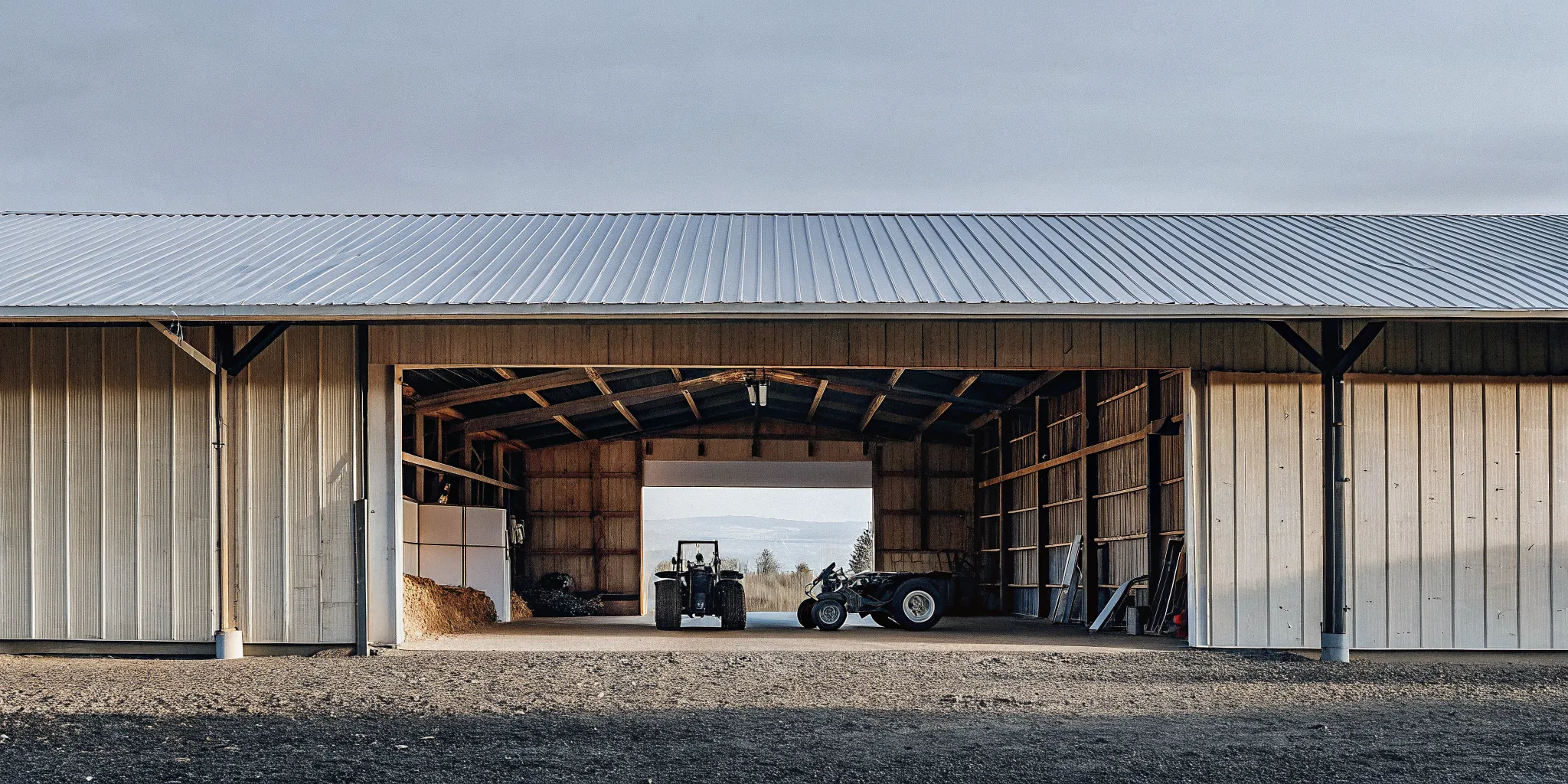
One of the best post frame building benefits is the open floor plan. These buildings use main supports that are usually 8 to 12 feet apart on center. This wide spacing means you do not need load-bearing walls inside the structure. It gives you a blank slate to work with from the start.
You get a large, clear area that you can use however you wish. This open design makes it easy to move large tools or store big trucks. You can place doors and windows almost anywhere along the walls. It is one of the top advantages of post frame construction for those who want a custom layout.
Built for Many Uses
The wide range of this style means it works for almost any project. It is great for housing farm tools or livestock, but it also makes a sturdy home or shop. Many people now use it for “barndominiums” or large storage units. This wide set of uses shows why the style is so well-liked today.
At Locke Buildings, we have seen how these structures serve many roles across the region. Since 1981, our team has helped thousands of people build their dreams. These buildings stand up well to the wind and snow of the Northwest. It is a proven way to get a high-quality building that fits your budget and your goals.
Cost Advantage: Why Pole Buildings Are More Affordable
One of the top reasons people choose post-frame construction is the savings. Compared to stick-built methods, pole buildings offer a lower total cost for both materials and labor. These post frame building benefits start during the design phase and stay high for decades after the project is done.
Fewer Materials and Less Site Work
Post-frame buildings use widely spaced columns to reduce the total amount of structural lumber you need. Instead of studs every 16 or 24 inches, these buildings use main supports spaced 8 to 12 feet apart. This design uses less wood while it keeps a high level of strength. Structural utility buildings often cost less because they do not need a full concrete base.
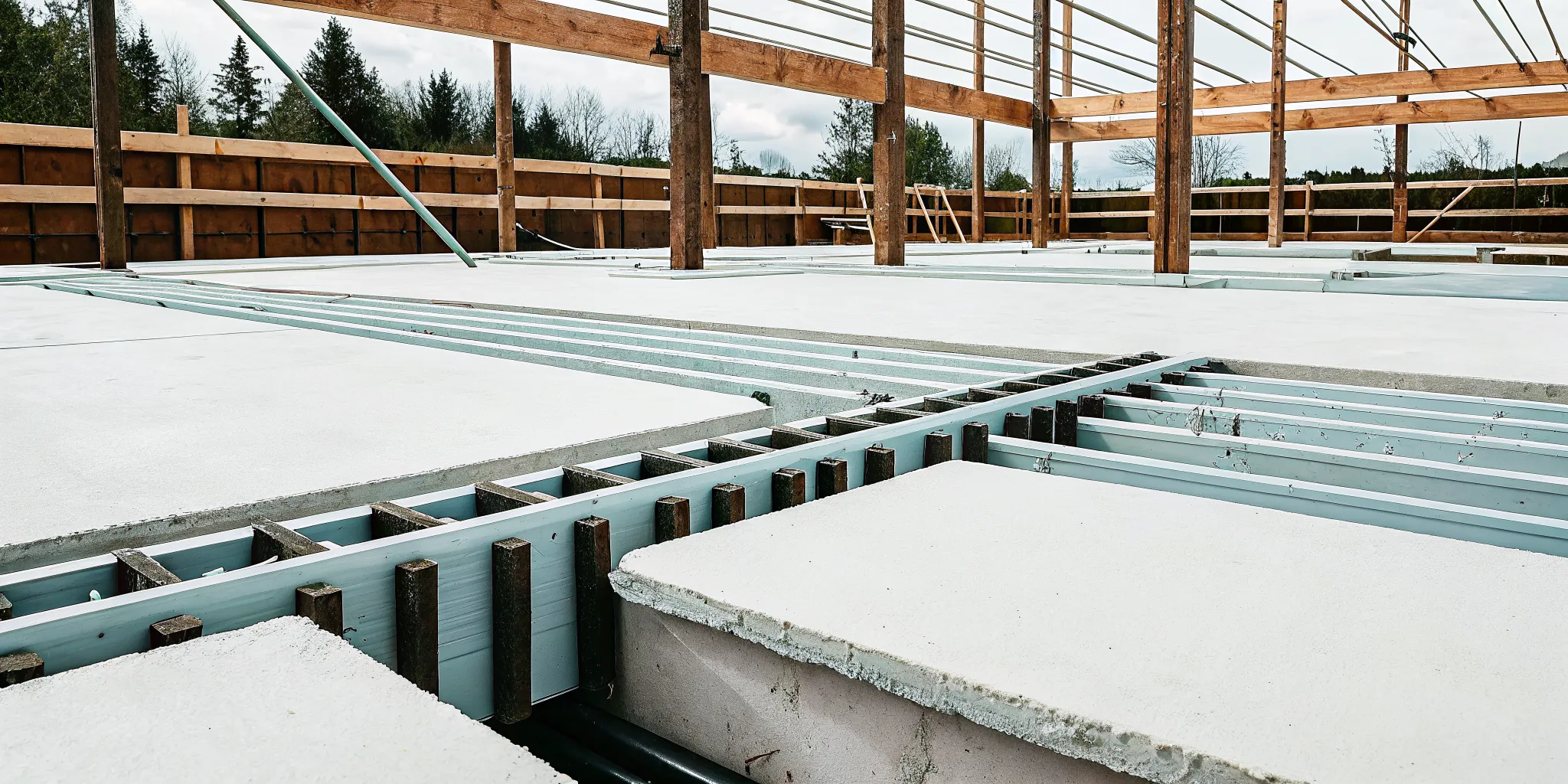
You can often build on sites that are not perfectly flat. Since the posts go deep into the ground, you avoid the high cost of big digging or long concrete work. This helps you get your project started without a huge cost in ground prep. It is a simple way to save on the most costly part of a build.
Lower Labor Costs and Faster Builds
Because the design is simple, pole buildings go up much faster than normal structures. Fewer pieces of wood mean fewer hours spent on the job site. This leads to lower labor costs, which is a big part of the total budget. For many property owners, the speed of the build is just as helpful as the material savings.
If you have the tools and the time, you can save even more with a kit. Many people choose to explore our DIY building kits to handle the work themselves. This path removes most of the labor costs, making a high-quality shop or garage much more reachable for a small budget.
Long Term Savings and ROI
The money perks of a pole building do not stop once the crew leaves. The real return on investment for post-frame buildings often becomes most clear in years five through twenty. This is due to low upkeep and high strength. Metal sides and roofs last for a very long time and do not need paint or fix work like wood sides.
These buildings also offer great ways to save on heat and light. Because the posts are spaced far apart, you have more room for thick insulation. This helps lower your monthly bills. When you look at the total life of the structure, the return on investment for a pole building makes it a smart choice for your wallet.
Clear-Span Design: Maximum Usable Interior Space
One of the best pros of post frame building is the open space. Most buildings need walls inside to hold up the roof. This is not true for post-frame plans. They use a special design that lets you have a huge, clear space from one side to the other. This makes them perfect for big shops, riding arenas, or even modern homes.
Pre-engineered roof trusses for open space
Post-frame buildings stay strong without inside walls to hold the weight. They use pre-engineered roof trusses that handle exact loads. These trusses span the entire width of the building. Because they are so strong, you do not need posts in the middle of your floor. This clear-span design gives you more room to move large gear. It also lets you plan your floor layout without any limits.
You can use this open space for almost anything. In a shop, it means you can park trucks or tractors without hitting a post. In a riding arena, it keeps the floor safe and clear for horses. Many people also choose this for barndominiums. It allows for a “great room” feel that stick-built homes often lack. You get a lot of freedom when you do not have to work around heavy walls.
Wide column spacing and floor plan freedom
Another way these buildings give you more room is through column spacing. Most structures have studs every 16 or 24 inches. Post-frame buildings are different. They use widely spaced primary supports that are often 8 to 12 feet apart. This wide gap means there is more space between the main posts. It makes the building feel much more open and less cramped.
This spacing is one of the key post frame building benefits. It lets you place large doors or windows wherever you want. You do not have to worry about cutting into a wall of studs. Because the posts are so far apart, you also have more room for thick insulation. This helps keep the building warm in the winter and cool in the summer. It is a smart way to build for both space and comfort.
Deep foundations for structural safety
To keep a large, open building safe, you need a strong base. Since there are no inside walls, the outer posts do all the work. It is vital to use enough column depth to keep the building stable. Usually, this means setting posts at least four feet deep in the ground. This depth helps prevent the building from lifting up during high winds.
When wind hits a large building, it can try to pull it off the ground. Deep posts act like anchors to keep everything in place. This is very important in the Pacific Northwest where we get strong wind and rain. By using deep posts and strong trusses, you get a building that is both open and safe. You do not have to trade space for strength. You can have a large, clear interior that will last for many decades.
Speed of Construction vs. Conventional Methods
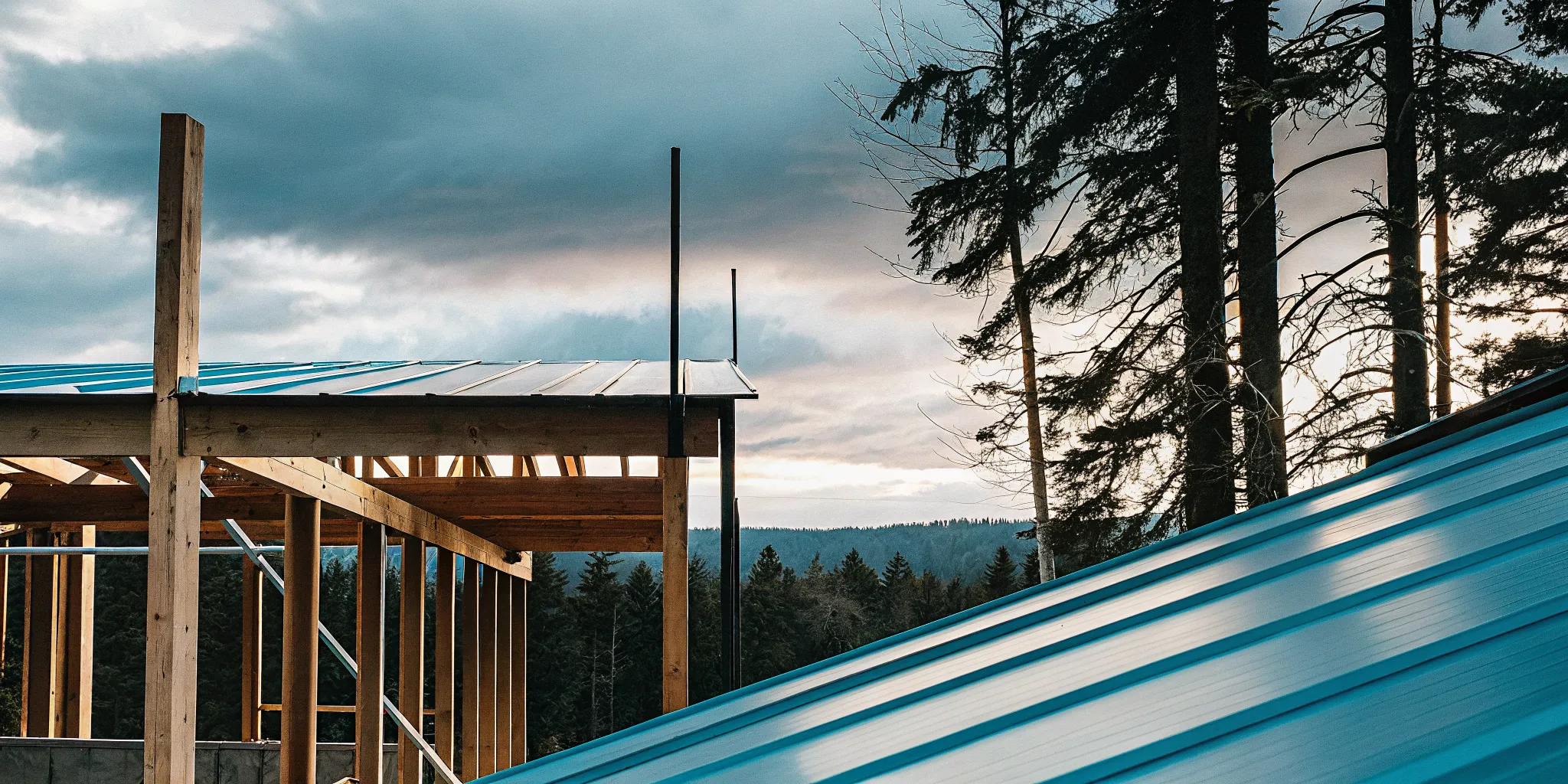
One of the top post frame building benefits is the time you save. Most standard homes take months to build from start to finish. In contrast, a pole building frame can often go up in a single day. This fast pace is a big draw for people who need a shop or barn quickly. It lets you use your new space sooner and keeps your project on track.
How the frame goes up so fast
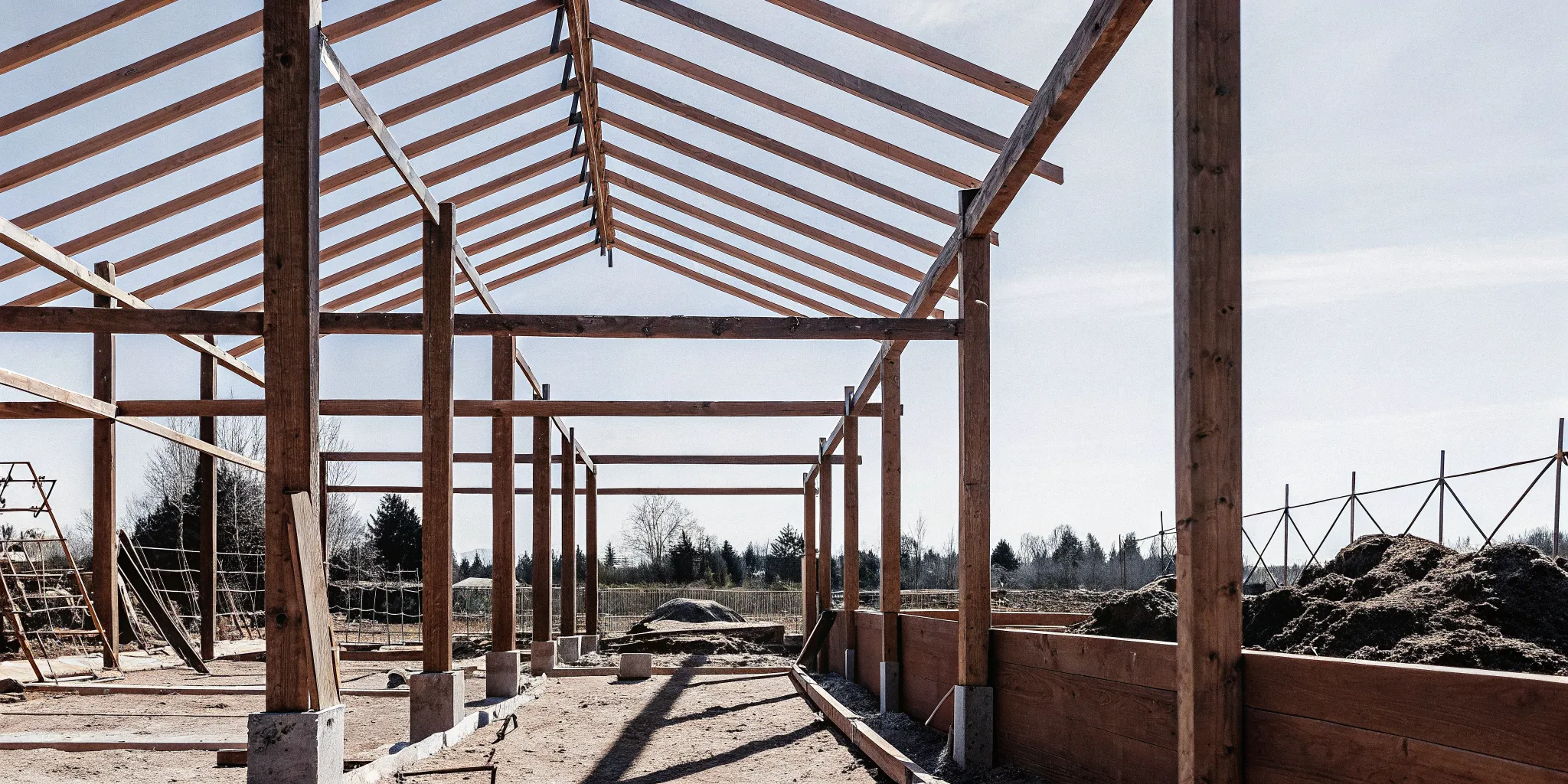
To help you visualize the timeline, here is the standard three-step sequence of how a post-frame building goes up:
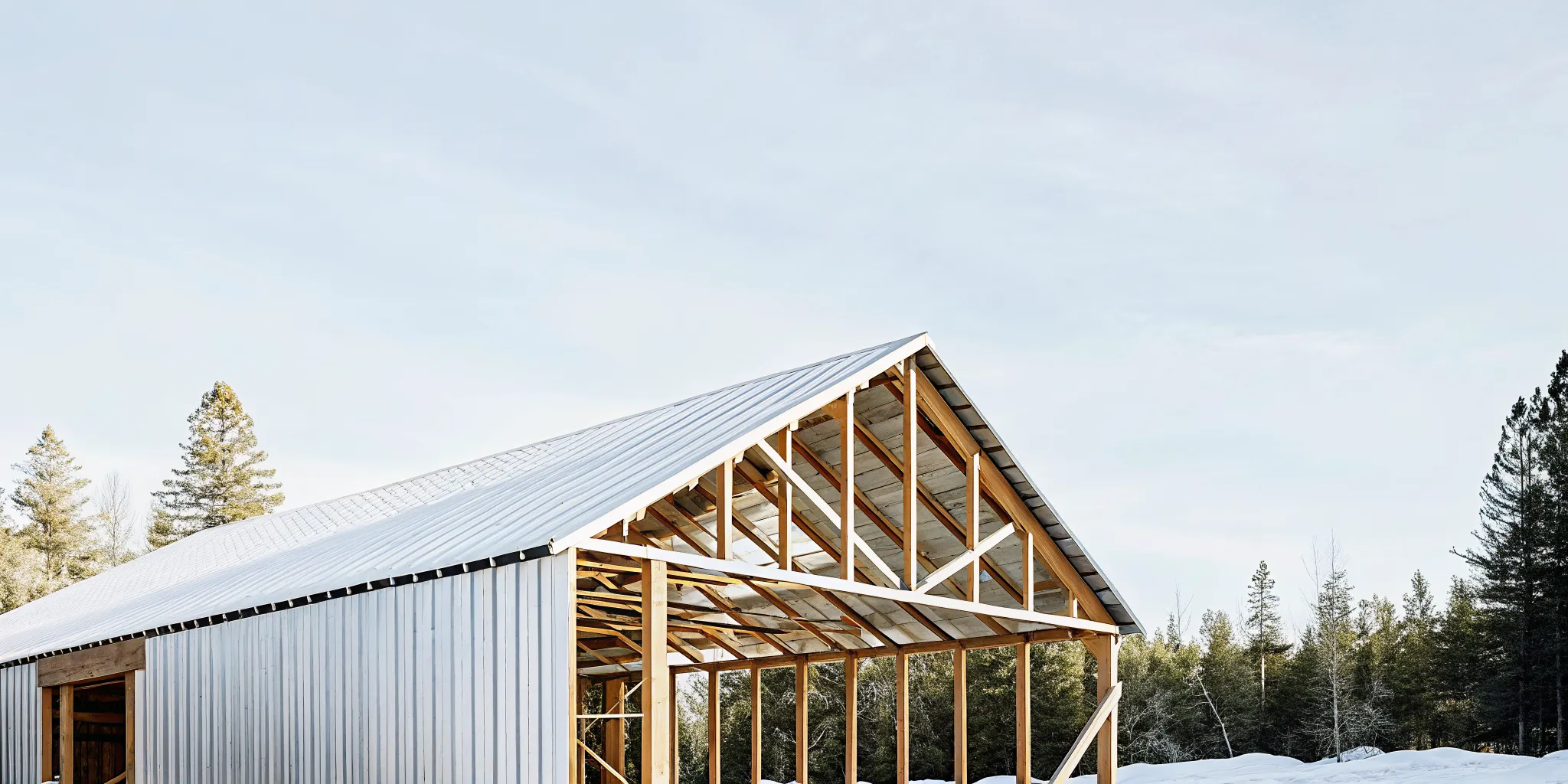
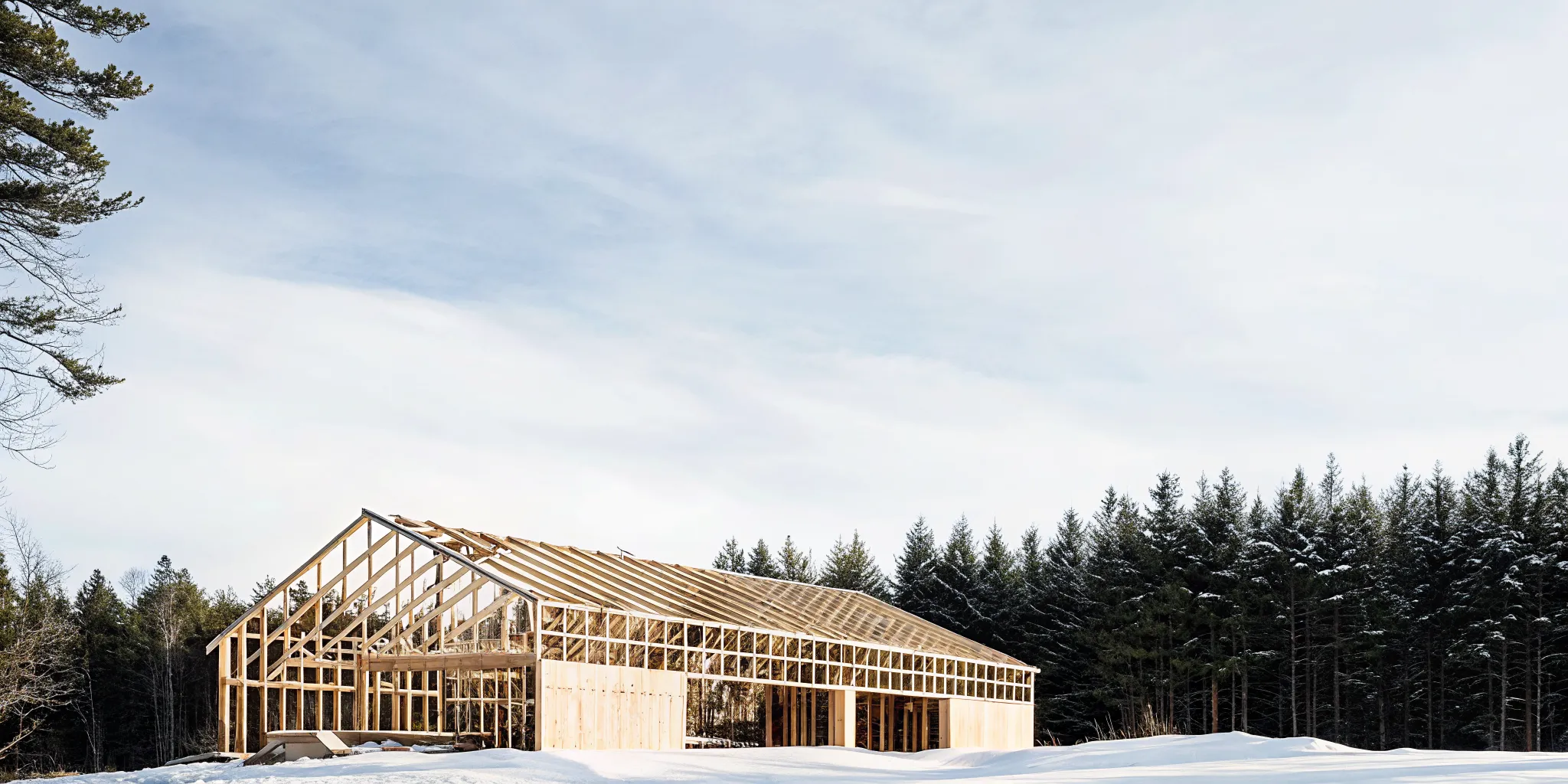
- Step 1: Setting the Columns. Heavy-duty wood columns are anchored deep into the ground (typically 4 feet deep) to form a solid foundation.
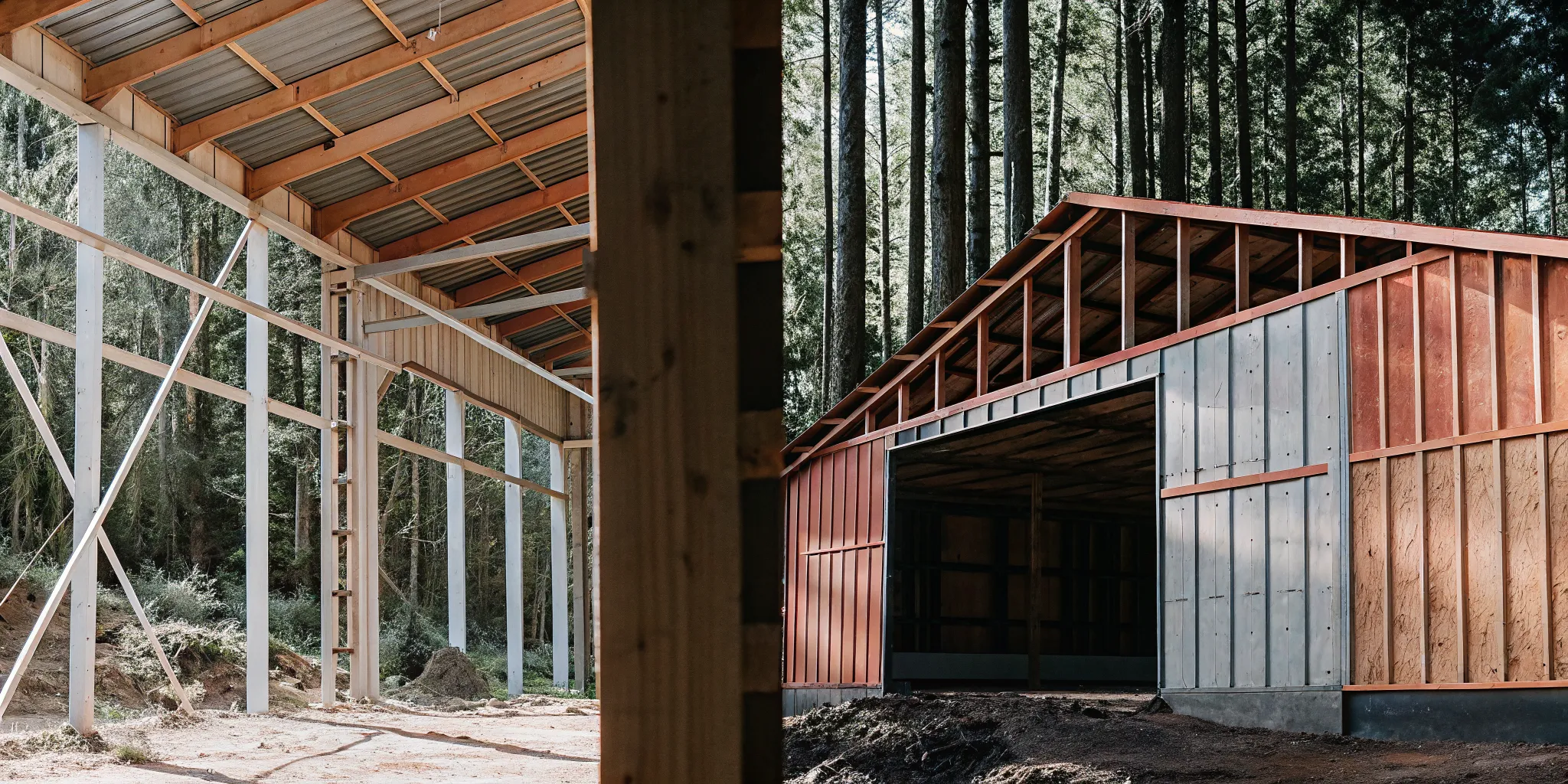
- Step 2: Framing and Trusses. The pre-engineered roof trusses and horizontal wall girts are secured to the columns, completing the structural skeleton.
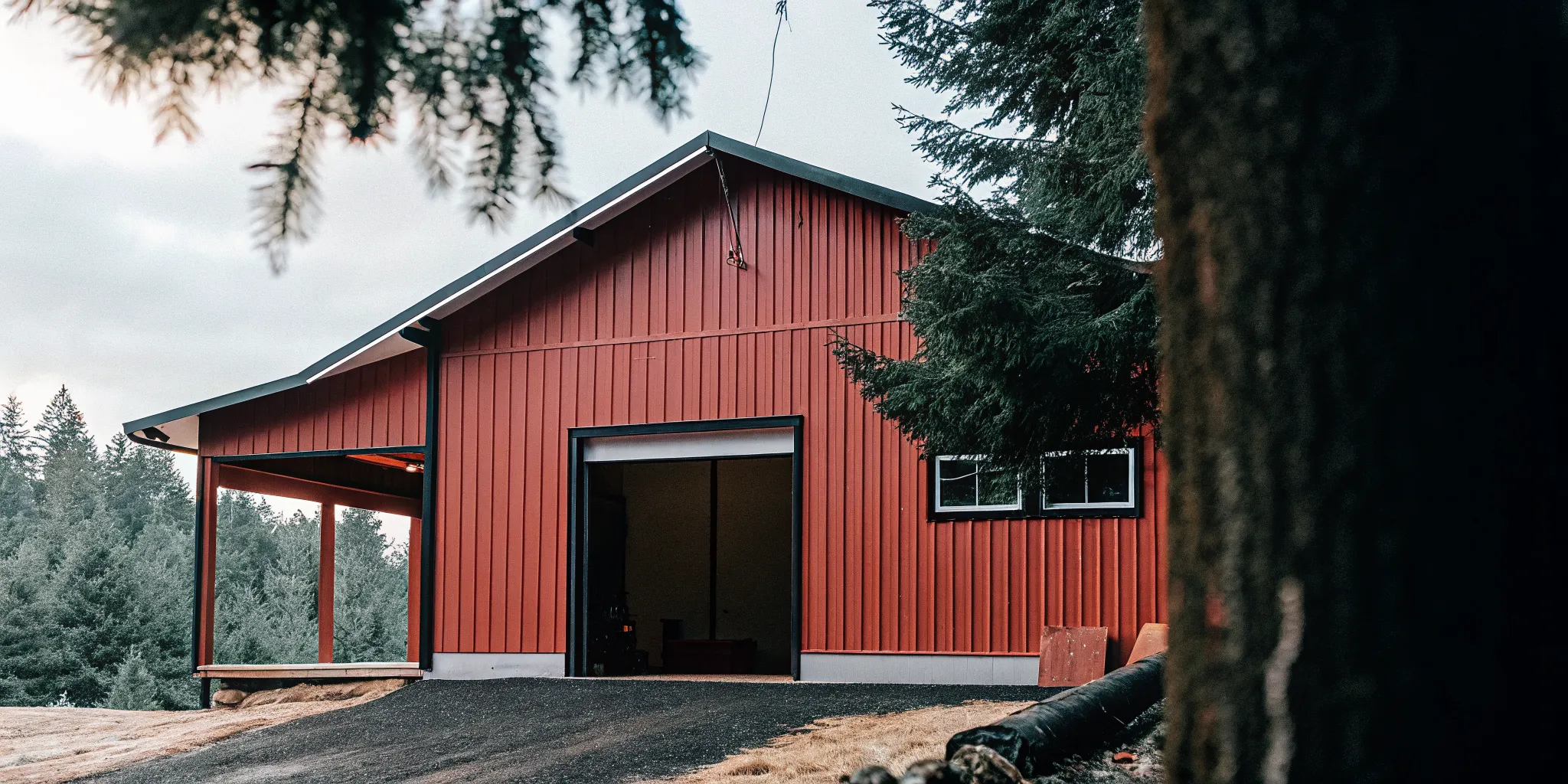
- Step 3: Sheathing and Finish. High-durability metal siding and roofing are fastened with screws, sealing the structure against PNW weather.
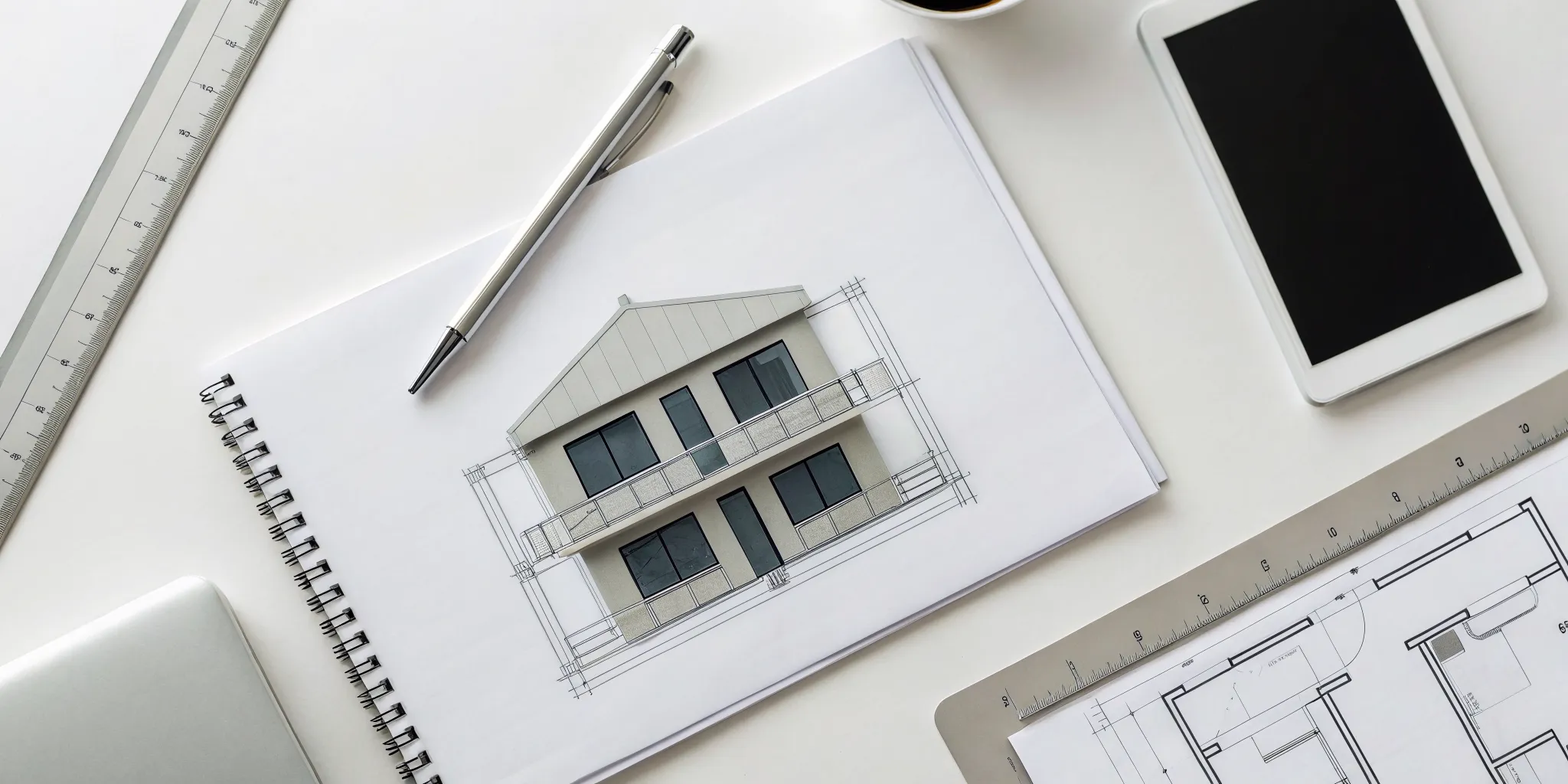
The design stage for a post frame building is also fast. You can often finish the plans in just one to three weeks. Once the site is ready, the crew can start right away. These buildings use economical structures that rely on large posts spaced far apart. This means there are fewer parts to move and join than in a stick-built wall.
Standard builds need a lot of wood and many nails. They have studs every 16 or 24 inches. A pole building uses posts that are 8 to 12 feet apart. This wide gap means the crew spends less time cutting and fitting wood. This simple layout is one of the main advantages of post frame construction. It cuts down the total work hours by a large amount.
Less work and lower costs
Since the build is simple, you need a smaller crew to get it done. A few skilled workers can handle the whole frame and roof in a short time. You do not need to hire many other teams for each part of the shell. This saves you money on wages and makes the job simple to manage. It also means fewer people and machines are on your land for a long time.
Most parts are cut to the right size before they arrive at your site. This reduces the time spent on prep work. When the truck drops off the lumber, the team can start setting the posts. This flow is much smoother than old ways of building. It helps you get from a flat dirt lot to a solid structure without a long wait.
Beat the Northwest weather
Living in Oregon or Washington means you have to plan for rain. Wet weather can slow down a stick-built project for weeks. If the wood gets too wet, it can warp or lead to mold issues later. Post frame buildings offer a fast way to get under a roof. Once the roof and walls are on, the rest of the work can happen in the dry.
This speed protects your wood and your peace of mind. You do not have to worry about a storm hitting an open frame. The fast build cycle is a huge perk for owners in the Northwest. It makes the whole process feel less stressful. You can start your project in a small break of sun and have it closed in before the next rain.
| Build Step. | Post Frame Speed. | Stick Frame Speed. |
|---|---|---|
| Design Phase. | 1 to 3 weeks. | 4 to 8 weeks. |
| Frame Set Up. | 1 to 2 days. | 1 to 2 weeks. |
| Labor Hours. | Low to medium. | High. |
| Weather Risk. | Low. | Medium to high. |
| Waste Level. | Low. | Large. |
Weather Performance in the Pacific Northwest
Living in Oregon or Washington means dealing with varied weather. Your building must handle heavy rain, wet snow, and strong winds. One of the main post frame building benefits is how these structures stand up to local climate needs. Locke Buildings has built thousands of projects across the Pacific Northwest since 1981. We know the exact engineering needed for this region.
Resistance to High Winds
Pacific Northwest storms often bring gusts that test any structure. Post-frame designs use a smart system to stay safe. They use support bracing to move wind loads from the wind-facing side to the rest of the frame. This keeps the whole building stable. Proper design often meets wind speed goals from 90 to 105 mph according to South Dakota State University research.
Building owners can also help protect their property. It is vital to close and latch all doors and windows during a storm. This stops air from pushing up inside the building, which can cause damage. The deep columns used in post-frame construction also play a huge role. Most designs use columns set at least 4 feet deep to stop the building from lifting during high winds. You can learn more about foundation flexibility and how it aids stability on our site.
Handling Heavy Snow and Rain
Snow loads in the Cascades or rain in the valleys need strong roofs. Post-frame buildings use pre-engineered roof trusses. These trusses are made for precise loads, which allows for wide and open interiors. This means you do not need load-bearing walls inside the building to support the roof. This design helps the structure stay strong even when snow piles up on top.
The materials used also help with moisture. Many owners choose metal siding and roofing. This sheds water fast and does not rot like wood can. These features make post-frame a top choice for shops and barns in wet areas. Locke Buildings ensures every kit or turnkey project matches the local snow load rules for your specific site.
Regional Expertise and Local Rules
Each county in Oregon and Washington has its own building rules. Our team helps you navigate these local needs. We understand the seismic risks and soil types found here. This regional focus ensures your building stays safe for decades. Using a local expert helps you get the right materials for the PNW weather. We offer benefits of post frame kits that are ready for any local weather challenge.
Versatility Across Building Types
One of the top post frame building benefits is how well the method works for many needs. These buildings are not just for basic storage anymore. Modern building plans make them a great fit for homes, shops, and large farm needs. Because they do not need load-bearing walls inside, you can set up the floor plan in any way you like. This ease of use is why many people in the Pacific Northwest choose this style for their next project.
Farm and business uses
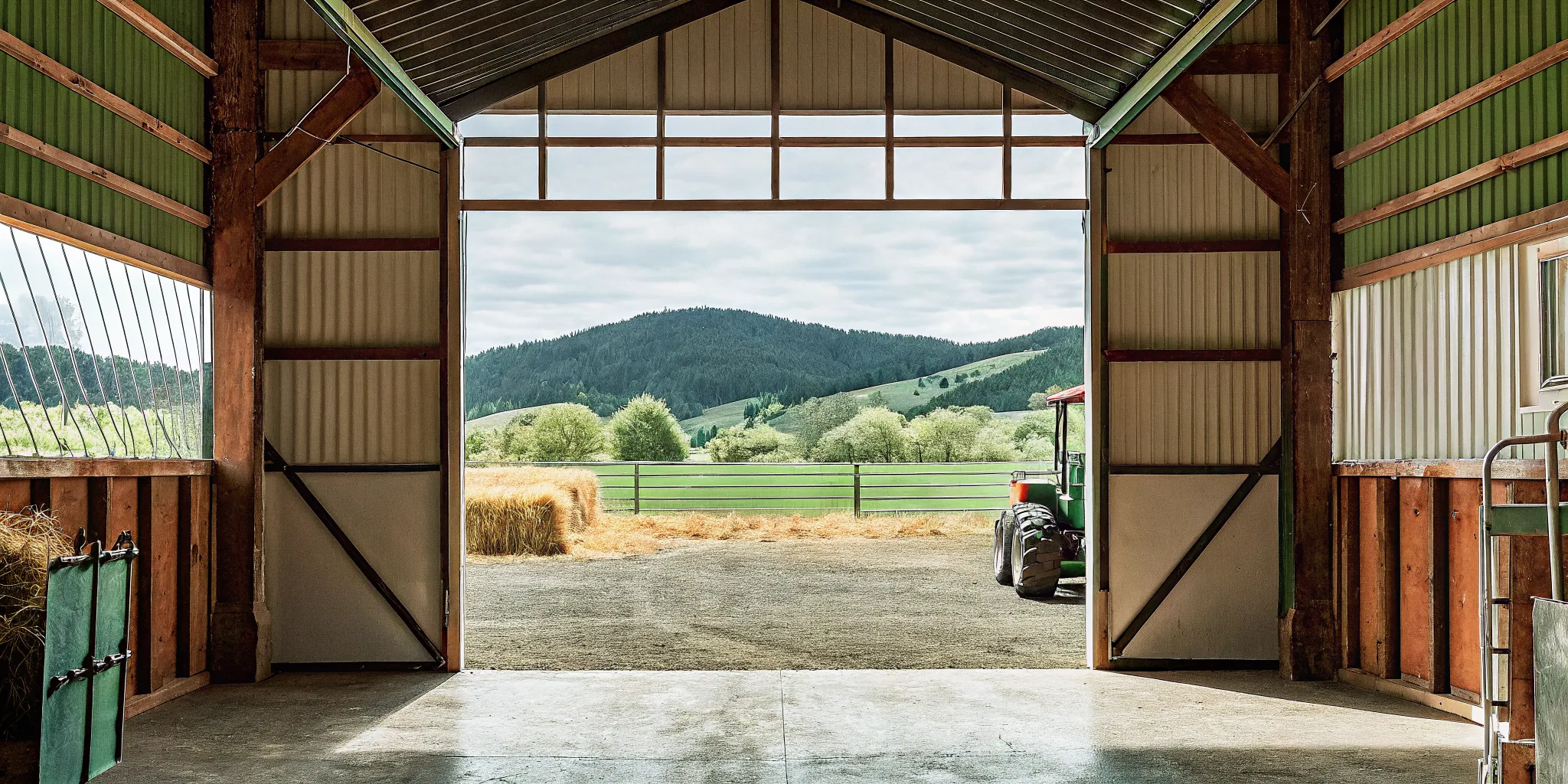
Farm owners have used pole buildings for a long time to protect their tools and animals. Research shows that post-frame buildings are useful for storing big machines or housing livestock. Wide post spacing makes it easy to move large tractors. You can also add tall doors and high ceilings for hay storage or cattle stalls without any trouble.
Businesses also use these buildings for warehouses and shops. The open design allows for clear paths for forklifts and pallet racks. Since the frame goes up fast, a new business can start working in its new space much sooner. You can even add office space or a store front to the front of a large metal shop. This makes it a smart choice for local companies that need to grow quickly.
Living spaces and custom homes
The “barndominium” trend has changed how people think about pole buildings. You can now build a full home that looks like a classic barn on the outside but feels like a luxury house on the inside. Since there are no interior poles, you can have a large, open living room with high ceilings. You can view our recent projects to see how these homes look when they are finished. These homes stay warm during cold Oregon and Washington winters.
People also use these structures for hobby shops and extra garages. Whether you need a place for your classic cars or a quiet wood shop, the layout can change to fit your hobby. You can add large windows for natural light or thick walls to block out noise. The ability to mix living space with work space is a key reason this building style stays popular today.
Strength for every layout
No matter what you build, the structure must be strong enough to handle local weather. This building method uses smart bracing to keep the frame steady. Experts explain that wind bracing helps transfer loads from the wind-facing side to the rest of the frame. This keeps the building safe during the storms we often see in the Northwest. The design is tough enough for a simple shed or a complex home.
This extra strength lets you make more design choices. You can add large porch areas or heavy roof loads for solar panels. The frame stays strong even with these extra features. By using these strong building methods, you get a building that lasts for decades. This blend of beauty and brawn makes it the best choice for almost any land owner in our region.
Resale Value and Long-Term Durability
Buying a new building is a big step. You want to know your choice will last. Post-frame structures are a smart pick for the long run. These buildings offer a mix of strength and ease that helps them hold their value over time. They are built to face the rough weather in the Pacific Northwest for many years.
Built to last for decades
A well-built pole building can last for a very long time. Most experts say these structures have a life of 40 to 60 years with just basic care. Some even last for over 100 years. This long life is one of the top long-lasting post-frame building benefits for owners in Oregon and Washington. These structures use heavy posts that stay strong as the years go by.
The secret to this long life is how they are built. They use large wood posts that can handle heavy loads from snow and wind. This strength means the building stays safe and straight. Because they last so long, they can be a good way to add value to your land. Buyers like knowing a shop or barn will be there for the next owner too.
Low upkeep and high value
Most pole buildings use metal for the roof and walls. This metal is very tough. It does not rot like wood and does not need paint every few years. This helps keep your costs low as the building gets older. The real gain from your advantages of post frame construction shows up after five to twenty years of use.
During that time, you will spend less on fixes and care. This low work load makes the building more attractive to people who might buy your property later. They see a building that is ready to use without a lot of extra work. This ease of care helps keep the resale value high for many decades.
Strong parts and smart design
Small details help these buildings stay in good shape. For example, using screws instead of nails helps keep the metal skin tight. According to South Dakota State University, screws provide better grip for metal panels. This prevents the metal from coming loose during high winds or heavy storms.
This smart way of building keeps the structure dry and safe inside. When a building stays dry, it does not have problems with mold or rot. This is key for keeping your value high. A dry, sturdy building is always worth more than one that needs big repairs. By choosing post-frame, you get a structure that works hard for you and stays in top form for a lifetime.
Frequently Asked Questions
What are the benefits of post-frame construction?
Post-frame construction offers high efficiency and cost savings for property owners. This method uses widely spaced columns to reduce the total amount of structural lumber needed. According to Cornell University, these structures are both versatile and economical. The design allows for large open spaces without load bearing walls. This makes it a great choice for workshops, farm shops, and custom homes in the Pacific Northwest.
How long will a post-frame building last?
A well built post-frame building can last 40 to 60 years or longer with proper care. Some high quality structures even pass the 100 year mark. Using screws instead of nails helps the building stay strong over many decades. For the best results, you should ensure that columns are set at least four feet deep to prevent wind damage. Regular upkeep of the metal siding and roof will also extend the life of your new building.
Is a post-frame house cheaper to build?
Yes, post-frame homes are often more affordable than stick built houses. They require fewer materials and can be built much faster. A pole building frame can often go up in just one day. This speed helps lower labor costs and reduces the risk of weather damage during the build. While exact costs depend on your design, the efficiency of the post-frame method provides a clear price advantage for many residential projects.
Can post-frame buildings handle high winds?
Post-frame buildings are very strong and can be designed to withstand high winds. In some areas, they are built to handle wind speeds of up to 105 mph. Proper engineering is key to this performance. Deep column holes and support bracing help transfer wind loads to the ground. According to South Dakota State University, a hole should be at least 4 feet deep to protect a barn from uplift wind loads.
How much value does a 30×40 pole barn add?
Adding a 30×40 pole barn can significantly increase your property value. These buildings provide much needed storage and workspace for vehicles, tools, and hobbies. Many buyers in Oregon and Washington look for properties that already have a versatile shop or garage. Because they are durable and require little maintenance, they offer a solid return on your investment over time. A professional design and quality materials ensure the building stays an asset for years.
Are you ready to start your next post-frame project?
Putting off your building project often leads to extra stress and higher costs as the prices for wood and steel tend to rise every year. You can use our 3D Building Designer to see your new shop or barn and ensure it fits your land before you begin the work. Starting your plans today gives you the peace of mind that your site prep and your permit will both be ready on a clear timeline.
Ready to get started? Schedule a free consultation with our local team of building experts today. We can provide a firm quote and help you start your next great building project here in Oregon or Washington today.