Your new pole building is full of potential, and its large, open walls are waiting to tell your story. A well-executed gallery wall does more than just fill space; it serves as a focal point that showcases your personality, memories, and unique style. But creating a display that looks curated rather than chaotic requires a bit of planning. Getting the wall frame design right is key to turning a simple collection of photos and art into a stunning feature. From selecting styles that complement your building’s rustic charm to mastering the art of spacing, we’ll break down the process into simple, actionable steps. Let’s turn that blank wall into a beautiful reflection of you.
Key Takeaways
- Choose frames with intention: Your frame is a key design element, not an afterthought. Select styles, materials, and colors that complement both your artwork and the unique architecture of your pole building to create a cohesive look.
- Plan your layout to avoid mistakes: Before making a single hole, map out your gallery wall on the floor or with paper templates. This simple step helps you perfect the scale, balance, and spacing, ensuring your final arrangement looks polished and intentional.
- Hang art securely for a professional finish: For a balanced display, hang art with its center at eye level, which is about 57 inches from the floor. Always use two hooks for stability to prevent crooked frames and select hardware that is appropriate for your wall type.
Find Your Perfect Frame Style
Once the construction dust settles on your new pole building, you’re left with a beautiful, open space that’s ready for your personal touch. One of the easiest and most effective ways to make a new structure feel like home is by adding art and photos to the walls. But before you start hammering nails, think about the frames themselves. The style of your frame can have just as much impact as the picture inside it, setting the tone for your entire room. Your frame choice can either complement the rustic wood beams and industrial feel of your building or create a compelling contrast.
Think of it like the process you used to design your building in the first place, where you selected the roof style, siding, and colors to create a specific look. Choosing a frame style follows the same principle. It’s about defining your aesthetic and making intentional choices that reflect your personality. Whether you’re decorating a cozy barndominium, a functional workshop, or a spacious horse arena, the right frames will tie everything together. Let’s walk through a few popular styles to help you find the perfect match for your space and your vision.
Modern and Minimalist
If you believe less is more, a modern and minimalist style might be for you. This approach is all about clean lines, simple geometric shapes, and a neutral color palette. The goal is for the frame to blend seamlessly with your decor, allowing the art or photo to take center stage without distraction. This style works exceptionally well in pole building shops or commercial spaces where you want a clean, professional, and uncluttered look. In a home, minimalist frames in black, white, or natural wood can create a sophisticated gallery wall that feels intentional and chic, letting the architecture of your space shine.
Japandi
Japandi is a beautiful hybrid style that merges the calm, thoughtful minimalism of Japanese design with the cozy functionality of Scandinavian decor. It emphasizes natural materials like light-colored wood, muted earth tones, and an overall sense of peace and tranquility. If you want your home to feel like a serene retreat, Japandi is an excellent choice. The focus on natural textures and craftsmanship pairs perfectly with the exposed wood beams and simple, strong construction of a pole building, creating a warm and inviting atmosphere in any living space or quiet corner.
French Country
Leaning into the rustic charm of your new barn or barndominium? The French Country style is a natural fit. This aesthetic is known for its warmth, elegance, and slightly rustic feel. Think frames with soft, muted colors, distressed finishes, and perhaps some gentle, ornate detailing. It’s less about perfect, clean lines and more about creating a space that feels lived-in, comfortable, and full of personality. French Country frames add a touch of vintage-inspired character that beautifully complements the agricultural roots of pole building design, making your space feel both timeless and welcoming.
Glam
For those who love a touch of drama and luxury, the glam style is all about making a statement. This look incorporates bold design choices, rich textures, and eye-catching finishes. Picture frames with metallic sheens like gold or silver, mirrored surfaces, or intricate, decorative patterns. While it might seem like an unexpected choice for a pole building, a glam style can create a stunning high-contrast look. Imagine a sleek, glamorous frame against a wall of reclaimed wood or a polished concrete floor. It’s a fantastic way to add a layer of sophistication and surprise to your space.
Nordic and Boho
If your style is more eclectic and personal, you might find yourself drawn to Nordic or Boho design. Nordic style prioritizes simplicity, light colors, and functionality, creating a bright and airy feel. Boho, on the other hand, embraces a more-is-more philosophy with vibrant colors, mixed patterns, and a collection of unique, personal items. You can stick to one or mix elements from both for a look that’s creative and uniquely you. This approach is perfect for showcasing your personality in a studio, living room, or any space where you want the decor to tell a story.
How to Choose the Right Frames for Your Space
Once you’ve designed your perfect building, the frames you hang on the walls are what truly make it a home. Choosing the right ones can feel like a big decision, but it’s really just about finding a balance between your artwork, your frame, and your room. Think of a frame as the supporting character that helps your artwork tell its story. By considering a few key elements like size, color, material, and style, you can select frames that feel intentional and bring your space to life.
Consider Size and Scale
The first step is getting the proportions right. A frame that’s too small can make your art look lost on the wall, while one that’s too large can easily overwhelm the piece and the room. Start by measuring your artwork, then think about the wall where it will hang. A large, empty wall needs a substantial piece or a collection of smaller ones to feel balanced. A great way to visualize the final look is to use painter’s tape to outline the frame’s dimensions on your wall. This lets you step back and see how the scale works in your space before you commit to a size.
Pick a Color and Finish
Next, think about color. Your frame should complement both the artwork and your room’s decor. You can choose a frame color that picks up on an accent color in the room, creating a sense of harmony. Alternatively, classic neutrals like black, white, or natural wood are always a safe bet because they let the artwork be the main focus. The finish matters, too. A glossy finish can add a touch of modern polish, while a matte or distressed finish offers a more relaxed, rustic feel. The key is to tie it into the room so the final look feels cohesive, not distracting.
Select Your Material and Texture
Frames come in a wide range of materials, and your choice will have a big impact on the overall style. Wood frames are classic and versatile, offering warmth that fits well in everything from a modern farmhouse to a traditional shop. Metal frames, like aluminum or iron, often feel more contemporary and sleek. Even materials like acrylic or bamboo can add a unique touch. Think about the textures in your room and in the artwork itself. A rough-hewn wood frame can add rustic character, perfectly suiting the aesthetic of a custom barn or shop space, while a smooth metal frame enhances a clean, minimalist design.
Mix Styles for a Curated Look
If you’re creating a gallery wall, don’t be afraid to mix different frame styles. This is how you achieve a collected, personal look that feels like it has evolved over time. The secret to success is to maintain a common thread that ties everything together. This “cohesive link” could be a consistent color palette, such as all-black frames or all-gold frames in different styles. Or, you could unify the display with similar matting or by featuring only black-and-white photos. This approach allows you to build an interesting collection that looks curated rather than chaotic.
How to Arrange a Stunning Gallery Wall
The high ceilings and expansive walls in a pole building are a decorator’s dream. A gallery wall is a fantastic way to fill that space, add personality, and tell your story. It might seem intimidating to stare down a big, blank wall, but creating a beautiful arrangement is easier than you think. It just takes a little planning to turn a collection of frames into a stunning focal point. Here’s how to get it right.
Plan Your Layout First
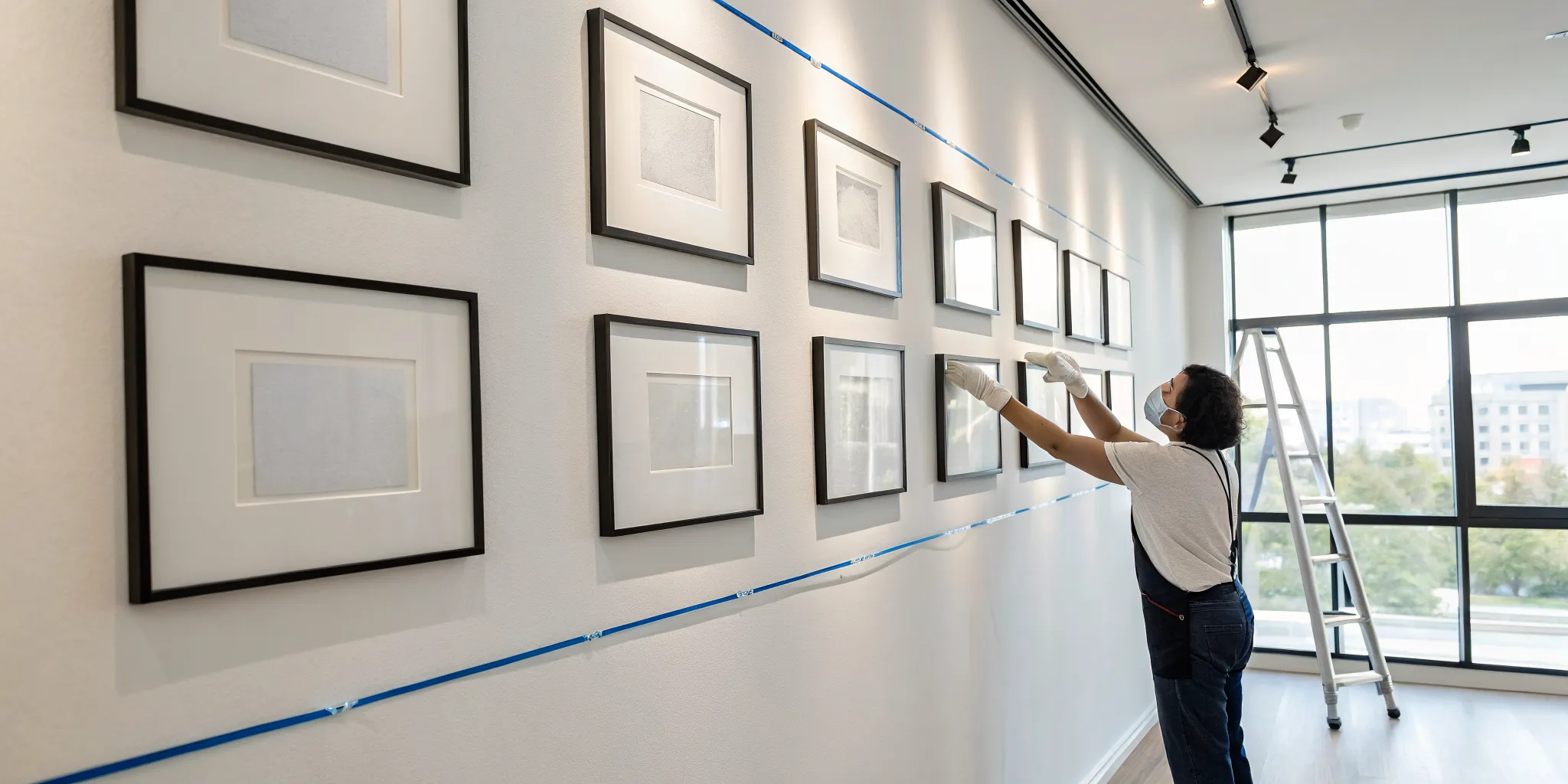
Before you even think about picking up a hammer, map out your design. This single step will save you from misplaced nail holes and a lot of frustration. If you have the floor space, you can plan your arrangement by laying all your pieces out to see how they work together. An even better method is to trace each frame onto kraft paper, cut them out, and tape them to the wall with painter’s tape. This lets you live with the layout for a day or two and make adjustments easily. You can move the paper templates around until the composition feels just right, ensuring you love the final look before making any permanent marks.
Balance the Visual Weight
A great gallery wall feels balanced and cohesive, not chaotic. The key is to find a common thread that ties everything together. This doesn’t mean everything has to match. Instead, you can create harmony through a consistent color palette, similar frame styles, or a unified theme in your artwork. Try to mix different frame sizes and orientations (horizontal and vertical) to create visual interest. A good rule of thumb is to place your largest or boldest piece slightly off-center to anchor the arrangement, then build the smaller pieces out from there. This creates a natural flow that guides the eye across the wall.
Get Your Spacing Right
Consistent spacing is the secret to making a gallery wall look polished and professional. As a general guideline, aim for about two to three inches of space between each frame. This gives each piece enough room to breathe while still feeling like part of a cohesive group. Before you hang anything, it helps to measure the total height and width of your gallery wall area. Using a tape measure and a level is non-negotiable here. While an eclectic, floor-to-ceiling gallery might have more varied spacing, a more structured arrangement relies on that consistency to look clean and intentional. Taking the time to measure carefully will pay off in the end.
Build an Arrangement That Can Grow With You
Your gallery wall doesn’t have to be a one-and-done project. Think of it as a living collection that can evolve with you over time. You can easily design gallery walls that grow by starting with an asymmetrical or organic layout. This approach is much more forgiving and makes it simple to add new photos, art, and memories as you collect them. As you use our tool to design your building, you can envision a wall that tells the story of your family or business for years to come. Don’t be afraid to start with just a few core pieces and leave space to fill in later.
Think Beyond Photos: What to Display in Your Frames
Once you’ve picked your frames, the real fun begins: deciding what to put inside them. While personal photos are a classic for a reason, your frames are an opportunity to showcase your personality in countless other ways. Think of them as a canvas for your creativity. The expansive walls inside a new shop or barn are perfect for making a statement, so don’t be afraid to think big. From fine art to found objects, let’s explore some beautiful and unexpected things you can display on your walls.
Personal Photos
Displaying personal photos is a heartfelt way to make a house feel like a home. To give your photo wall a modern twist, try creating a large, structured gallery around a central feature, like a fireplace or a television. This can make your family photos feel like an intentional design element. You can also go for impact by printing a single favorite photo in an oversized format. A large, beautifully framed portrait can become the focal point of any room. For a curated look, try mixing black-and-white photos with color ones or using a consistent filter to create a cohesive photo wall aesthetic.
Artwork and Prints
Art is one of the best ways to inject personality and color into your space. You don’t need a massive budget to become a collector, either. You can frame anything from a large-scale abstract painting to affordable prints that you love. Explore online marketplaces to discover unique art from independent creators around the world. Don’t forget about the artists in your own home, either. Framing your children’s drawings in high-quality frames is a charming way to celebrate their creativity and add a touch of whimsy to your decor. The key is to choose pieces that speak to you and help set the mood you want for the room.
Mirrors, Shelves, and Other Objects
Frames aren’t just for flat items. You can create a stunning three-dimensional display by mixing frames with other objects. An ornate, empty frame placed around a simple mirror can create a custom, high-end look that also makes your space feel brighter and larger. You can also build shallow shadow boxes or use deep-set frames to display small, meaningful objects like vintage keys, ceramic figures, or sentimental keepsakes. For a more eclectic vibe, try arranging a collection of framed vinyl records or even beautiful, empty frames of different styles and sizes for a purely architectural statement.
DIY and Mixed Media Art
Get creative and make your own custom art. You can frame a piece of beautiful fabric, a vintage scarf, or a remnant of striking wallpaper for an instant, high-impact art piece. This is a fantastic way to add texture and pattern to your walls. If you’re feeling crafty, you can create your own abstract painting on a canvas. Another deeply personal idea is to create a mixed-media collage using ticket stubs, handwritten letters, maps from your travels, and other paper ephemera. A DIY art project is not only a budget-friendly option but also ensures your decor is completely unique to you and your story.
Tips for Hanging and Maintaining Your Frames
Once you’ve chosen your frames and planned your layout, the final step is getting them on the wall. Hanging your frames correctly is just as important as the art inside them. It ensures your display looks polished and professional, and a little bit of maintenance will keep it looking great for years to come. Whether you’re decorating a cozy living room or the expansive walls of a new custom shop, these practical tips will help you hang your frames securely and with confidence.
Hang Frames at the Right Height
The golden rule for hanging art is to position it at eye level. For most people, this means the center of the frame or gallery wall grouping should be about 57 to 60 inches from the floor. This creates a comfortable viewing experience and makes the art feel connected to the room’s furniture and decor. If you have particularly high ceilings, you can hang your art a little higher, but the eye-level principle is still the best starting point. Following this guideline helps you avoid common mistakes and ensures your display looks balanced and intentional.
Use Two Hooks for Stability
There’s nothing more frustrating than constantly straightening a crooked frame. To keep your art perfectly level, always use two hooks instead of one. Place the hooks several inches apart on the wall, corresponding to D-rings or a wire on the back of your frame. This two-point system provides much more stability than a single, central nail. It prevents the frame from shifting, tilting, or swinging every time a door closes or someone walks by. This simple trick is a game-changer for maintaining a tidy and professional-looking gallery wall over time and is one of the best ways to prevent common photo framing mistakes.
Choose the Right Hardware
The hardware you use can make or break your display, both literally and figuratively. Before you start hammering, consider the weight of your frame and the type of wall you’re working with. For drywall, a simple nail might work for a very light frame, but heavier pieces will require a wall anchor for a secure hold. If you’re hanging on plaster, brick, or wood paneling, you’ll need specific hardware designed for those materials. Using the right picture-hanging hardware prevents damage to your walls and protects your precious art from falling.
Explore Damage-Free Options
If you’re a renter or simply don’t want to put holes in your walls, you have plenty of great options. Damage-free adhesive strips have become incredibly reliable and can hold a surprising amount of weight. They are perfect for creating a gallery wall that you can easily change or take down without needing to spackle and paint afterward. Another idea is to use a picture ledge. You can lean and layer frames of different sizes for a relaxed, curated look that’s easy to update whenever you feel inspired. These damage-free hanging options give you the freedom to decorate without the long-term commitment.
Keep Your Frames Clean
To keep your wall decor looking its best, a little regular cleaning goes a long way. Dust your frames weekly with a soft microfiber cloth to prevent buildup. For the glass or acrylic, use a gentle, ammonia-free cleaner sprayed onto the cloth, not directly onto the surface, to avoid any liquid seeping behind the glass and damaging your photo or artwork. Taking a few minutes to clean your frames as part of your regular routine ensures your display remains a bright and beautiful focal point in your space.
Common Design Mistakes to Avoid
Designing a gallery wall is a fantastic way to personalize your space, but a few common slip-ups can take your display from “wow” to “whoops.” The good news is that these mistakes are easy to sidestep once you know what to look for. It’s not about following rigid rules, but about understanding a few simple principles that help create a balanced and beautiful arrangement. From picking the right size frames to giving your layout a little breathing room, a bit of forethought goes a long way.
Thinking through your design choices helps you create a wall that feels intentional and polished, rather than something that was thrown together. Whether you’re decorating the living space in your new barndominium or adding personality to your workshop, avoiding these common pitfalls will help you build a display you’ll love for years. Let’s walk through some of the most frequent design blunders and how you can steer clear of them.
Being Too Matchy-Matchy
While it might seem like the safest route, buying a set of identical frames can make your gallery wall feel flat and impersonal. The most interesting displays have variety. Instead of perfect uniformity, aim for cohesion. You want your collection to look curated, not like it came straight out of a box. Create a common thread that ties everything together. This could be a consistent color palette, a similar theme in the artwork, or sticking to one type of frame material, like all wood or all metal, in different styles and finishes. This approach allows you to mix and match pieces while still creating a unified look.
Ignoring Scale and Proportion
One of the most common mistakes when hanging art is getting the scale wrong. A few tiny frames floating on a large, empty wall can feel lost and insignificant, while an oversized piece can easily overwhelm a small space. Before you buy frames, consider the size of your wall and any furniture nearby. As a general rule, artwork hung above a sofa or console table should be about two-thirds the width of the furniture. Thinking about scale ensures your arrangement feels balanced and properly anchored in the room, rather than like an afterthought.
Skipping the Planning Stage
It’s tempting to grab a hammer and start hanging as soon as you have your frames, but winging it is a recipe for regret (and a lot of extra nail holes). The best gallery walls require a little planning. Before making any permanent marks, lay your frames out on the floor to experiment with different arrangements. Once you find a layout you like, you can trace each frame onto kraft paper, cut them out, and tape the templates to the wall. This lets you visualize the final look and make adjustments easily. A few minutes of planning can save you a major headache later.
Using Inconsistent Spacing
The space between your frames is just as important as the frames themselves. Inconsistent or random spacing can make an otherwise great collection look messy and chaotic. For a clean, professional feel, aim for uniform spacing between all your pieces. A gap of two to three inches is a good starting point, but the key is to keep it consistent throughout the entire arrangement. You can use a ruler or even a small block of wood as a spacer to ensure every gap is exactly the same. This small detail makes a huge difference in creating a cohesive, intentional display.
Overcrowding the Wall
When you have a lot of art you love, you might be tempted to fit as much as possible onto one wall. However, overcrowding can make your display feel cluttered and overwhelming, preventing any single piece from standing out. Don’t be afraid of negative space; a little breathing room is essential. A well-curated gallery wall allows each piece to shine. Instead of covering the wall from edge to edge, group your frames toward the center and leave some empty space around the perimeter. This helps frame your collection and gives it more impact.
Overcommitting to Trends
It’s fun to incorporate new styles, but designing your entire gallery wall around a fleeting trend can leave it feeling dated in a year or two. One of the biggest decorating mistakes to avoid is ignoring your personal taste in favor of what’s popular. Your home should be a reflection of you, so choose art and photos that have personal meaning. You can still give a nod to trends with one or two pieces, but build your collection around timeless items you truly love. That way, your gallery wall will feel authentic and relevant for years to come.
Frequently Asked Questions
What if my pole building has really high ceilings? Does the eye-level rule still work? Yes, the eye-level rule is still your best starting point. The goal is to make the art feel connected to the human-scale elements in the room, like your furniture. Position the center of your main art piece or the center of your entire gallery grouping at about 57 to 60 inches from the floor. If you have a very tall, open wall, you can then build your arrangement upwards from that anchor point. This ensures the display feels grounded and comfortable to view, rather than floating too high up on the wall.
I want to mix different frame styles, but I’m worried it will look messy. How do I get it right? Creating a collected look is all about finding a single, unifying element to tie everything together. Instead of worrying about matching, focus on creating harmony. You could choose to use all black frames, for example, but in a variety of styles, materials, and sizes. Another approach is to use only wood frames but mix different finishes, from light oak to dark walnut. This common thread creates a sense of intention and keeps your eclectic collection from looking chaotic.
Do I have to use a mat in my frames? Not at all. Whether you use a mat is a style choice. A mat can give your artwork some breathing room and make a smaller piece feel more substantial and important. It also serves a practical purpose by keeping the art from pressing directly against the glass. However, framing a photo or print without a mat, known as a “full bleed,” creates a very bold and modern look. Consider the style you’re aiming for; a matted frame often feels more classic, while a full-bleed frame feels more contemporary.
How do I start a gallery wall if I only have a few pieces right now? You don’t need a huge collection to begin. In fact, the most personal gallery walls are often built over time. Start with an asymmetrical or organic layout using just three to five of your favorite pieces. Arrange them in a way that feels balanced but not perfectly symmetrical. This type of layout is very forgiving and makes it easy to add new art, photos, and objects as you find them, allowing your wall to grow with you and tell your story as it unfolds.
What’s the safest way to hang a very large or heavy frame? For anything with significant weight, safety comes first. A single nail in drywall is not enough. Your best option is to use a stud finder to locate the vertical wood beams inside your wall and drill directly into a stud. If a stud isn’t in the right spot, use a wall anchor, like a toggle bolt or a screw-in anchor, that is specifically rated to hold more than your frame’s weight. Using two anchor points instead of one will also provide extra stability and keep the frame level.